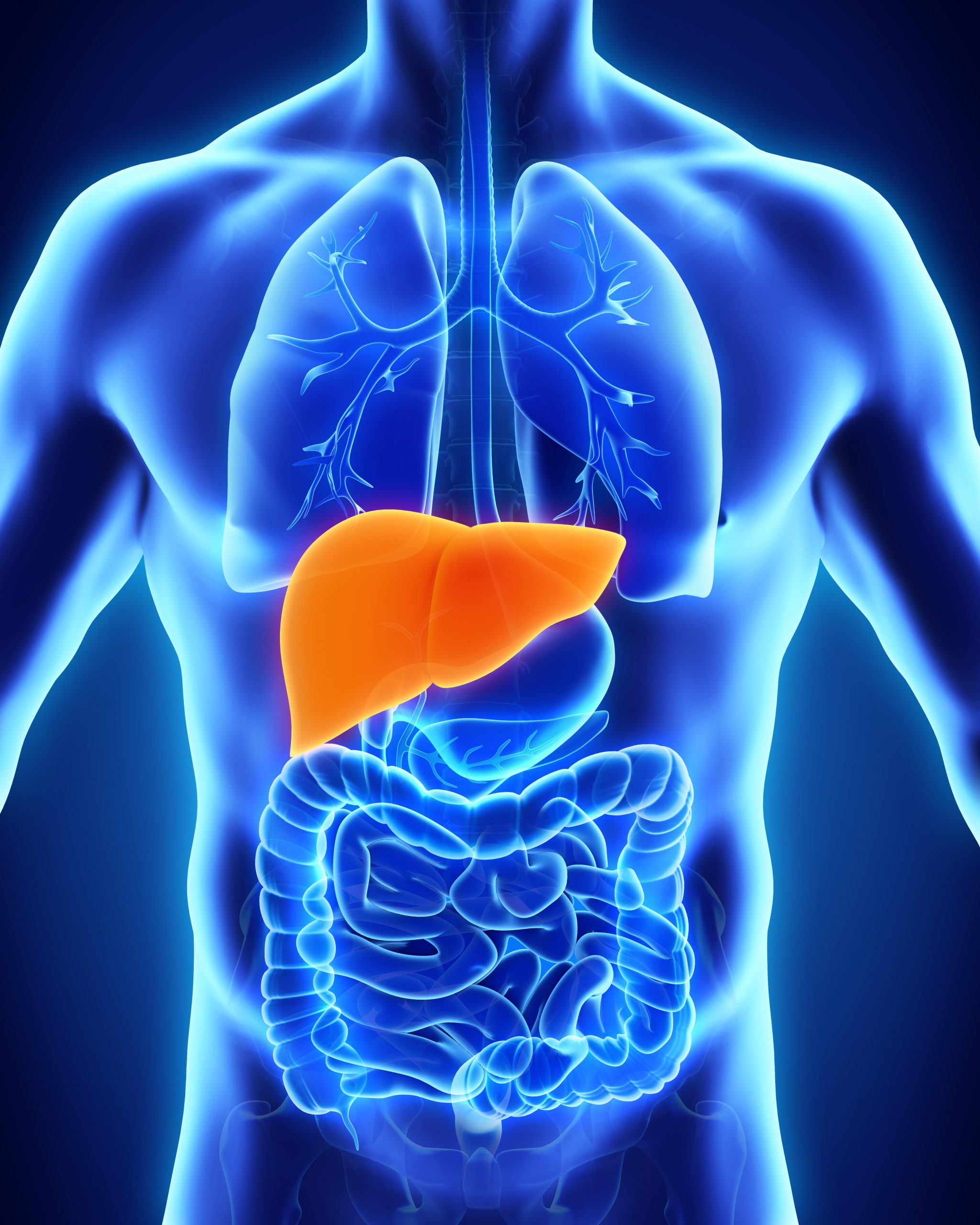
A damaged human liver has been treated and preserved in a machine for three days before being successfully transplanted into a patient, researchers say.
The man quickly recovered his quality of life without any signs of liver damage, as well as rejection, and remains healthy a year after surgery.
Researchers say the development may save lives because the technology could increase the number of livers available for transplant and allow surgery to be scheduled days in advance. A cancer patient on the Swiss transplant waiting list was given the choice of using a treated human liver.
Following his consent, the organ was transplanted in May 2021 and the patient was able to leave hospital a few days later.
He said: “I am very grateful for the life-saving organ. Due to my rapidly progressing tumour, I had little chance of getting a liver from the waiting list within a reasonable period of time.”
There is an increasing gap between the demand for liver transplants and the small number of available organs. However, as clinical practice is to store donor livers for no more than about 12 hours on ice before transplantation, the number of organs that can be matched to transplant recipients is limited.
Pamela Healy, chief executive at the British Liver Trust: “Three quarters of people are diagnosed with cirrhosis when it is too late for treatment and often the only option for them is a liver transplant. Sadly, hundreds of people die every year while waiting for a liver transplant as there is a shortage of donors.
“This development offers real hope for improving outcomes for patients. Preserving livers for longer allows time for getting the patient ready for a transplant, better allocation of resources and transportation across the UK.
“Routine use of this technique could result in shorter waiting list times and save more lives as the majority of people who have a transplant, go on to lead full and happy lives.”
Pierre-Alain Clavien, director of the Department of Visceral Surgery and Transplantation at the University Hospital Zurich, and colleagues demonstrated the preservation of a human liver for three days outside of the body using a machine that performs a technique known as ex situ normothermic perfusion. This is when the organ is supplied with a blood substitute at normal body temperature while outside the body.
“The machine mimics the human body as accurately as possible to provide ideal conditions for human livers.
According to the study, the team prepared the liver in the machine with various drugs, making it suitable for transplant even though it was originally not approved for the procedure.
The liver was transplanted into the patient, who was suffering from several serious liver conditions, including end-stage liver disease and liver cancer.
Among other things, connecting the liver to the machine allows it to be treated with antibiotic or hormonal therapies and lengthy laboratory or tissue tests can be carried out without time pressure. Under normal circumstances, this is not possible because organs can only be stored for 12 hours if they are stored conventionally on ice and in commercially available perfusion machines.
Prof Clavien said: “Our therapy shows that by treating livers in the perfusion machine, it is possible to alleviate the lack of functioning human organs and save lives.”
Mark Tibbitt, professor of macromolecular engineering at ETH Zurich, added: “The interdisciplinary approach to solving complex biomedical challenges embodied in this project is the future of medicine.
“This will allow us to use new findings even more quickly for treating patients.”
The findings are published in the Nature Biotechnology journal.