
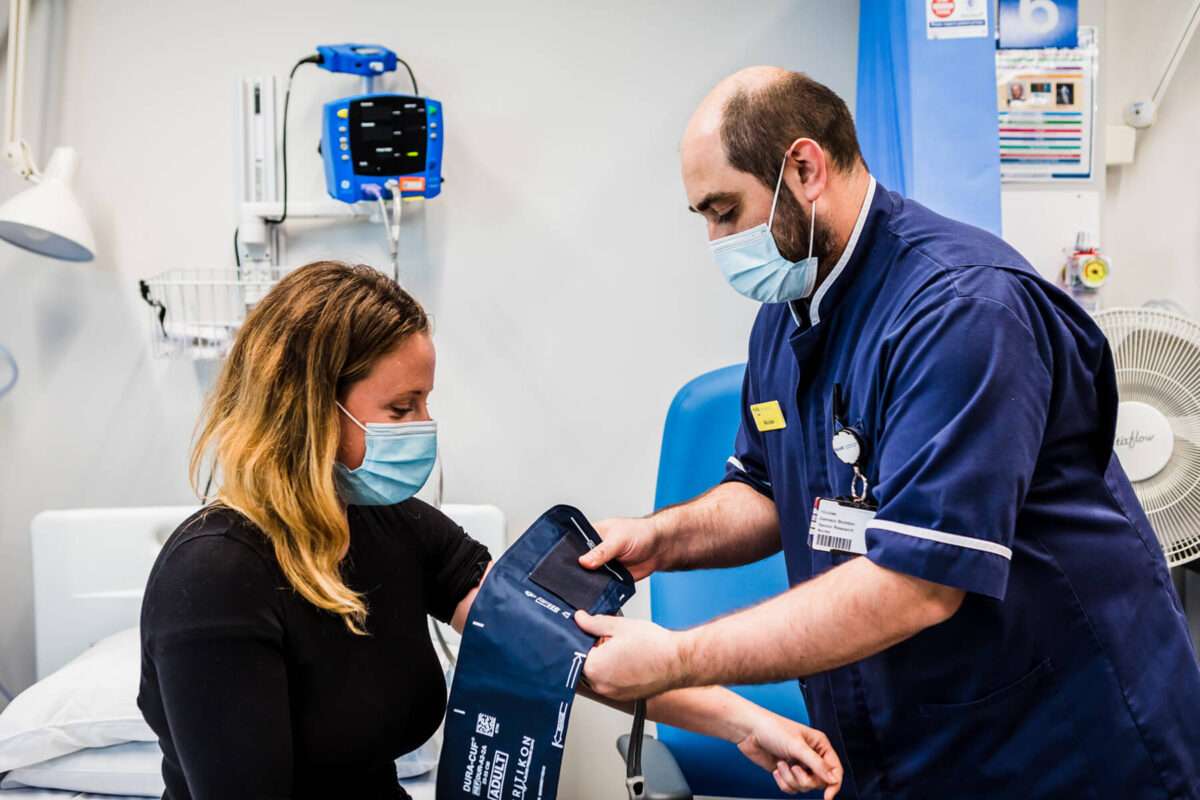
Liver disease tests are very common. This page links to clear information on blood tests, scans, and other checks.
The information on this page is for:
- Adults and children having tests for a possible liver condition.
- Family, friends, carers, and healthcare professionals.
Liver disease tests might be done because:
- someone has symptoms of liver disease
- someone has risk factors for liver disease
- someone has a liver condition and needs to be monitored
- doctors think there is a different problem and want to rule out a liver condition
If you think you, or someone you care for, is at risk of a liver condition, do not wait for symptoms. Contact or register with a GP and ask about tests.
The first test is usually a liver blood test.
This is one of the most common tests requested by GPs.
What happens next will depend on:
- The results of a liver blood test
- What type of liver condition you might have
- What the local procedure is and what tests are available
- Any other medical conditions you might have
Use the links on this page to find out more about the different types of test used to diagnose and monitor liver conditions.
You can find out more about tests for specific condition using our conditions page.
Go to:
Home testing for liver disease
We do not recommend any home liver tests apart from the free NHS hepatitis C test.
Home tests on their own cannot tell you if someone has a liver condition or not. If you have any concerns speak to your GP. Adults can also find out about risk factors using our free and confidential online at-risk checker.
Blood tests
Imaging tests
Other tests
Understanding results and scoring systems

Where to go next
People arrive on this page for different reasons. We’re here to support you through every step of your journey.

I would like some support
Find out about our range of support services
How we can help

I am worried about my liver
Find about symptoms and when to get help.
Worried about your liver?
I have been diagnosed, or I am looking up a condition
Read about different liver conditions, what they mean, and how they are managed.
See all conditions
Your feedback
More from Liver UK

Check your risk
Find out more

Support us
Find out more
Keep up to date
Find out more