It is estimated that four in five people across the UK who have NASH, the more advanced form of fatty liver disease, have not been diagnosed. 1
On International NASH Day, the British Liver Trust, the UK’s leading liver health charity, is raising awareness of this growing epidemic as latest figures suggest the prevalence of fatty liver disease in is rising at an alarming rate.2
Two thirds of adults in the UK are overweight or obese, putting them at a greater risk of non-alcohol-related liver disease (NAFLD).
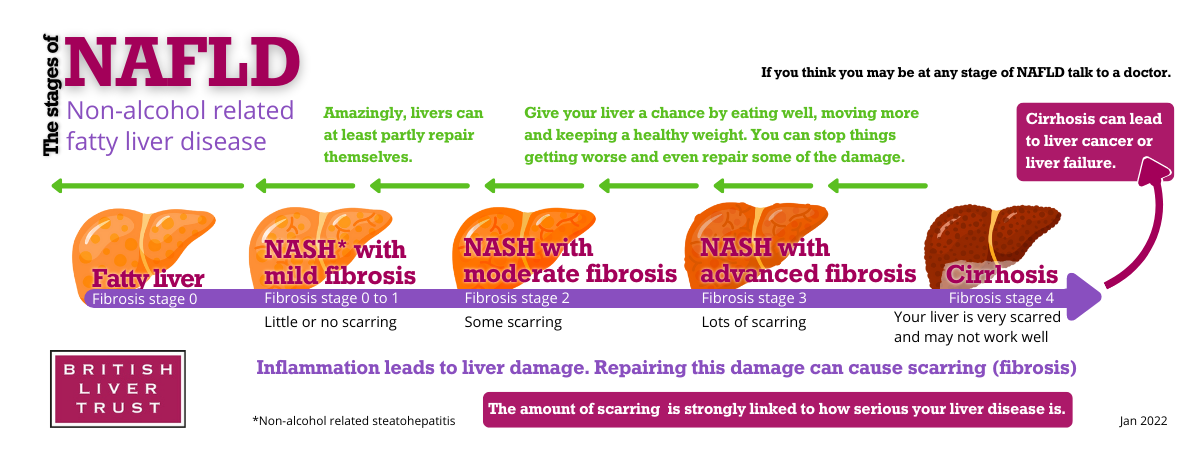
NAFLD is a long-lasting liver condition caused by having too much fat in the liver. It is closely linked with being overweight, as well as conditions such as type 2 diabetes and heart and circulatory disease. If left undetected, NAFLD can progress to a more severe form of fatty liver disease known as NASH that can lead to liver failure or liver cancer. Approximately 12% of adults in the UK have NASH.
Pamela Healy, Chief Executive at the British Liver Trust said: “Being obese or overweight is the main risk factor for non-alcohol related fatty liver disease and experts predict that it will become the leading cause of liver disease in the UK in the next ten years. “
Early diagnosis is crucial in managing NAFLD effectively. We know that, if it is caught early, there is good evidence that losing weight can reverse damage to the liver and stop any further progression.”
The main treatment goals for NAFLD are to prevent the condition from worsening, reducing the risk of NASH, which can lead to liver cancer or liver failure, and to promote liver repair by reversing as much of the damage as possible.
A healthy diet increased physical activity, and weight loss form the foundation of NAFLD treatment. While these steps may seem general, they have been proven to reduce liver fat and inflammation. Studies indicate that losing 5 to 10% of body weight can halt, and in some cases, even reverse liver damage for individuals who are overweight.
As the British Liver Trust raises awareness about the increasing prevalence of NAFLD, it is urging people to take proactive steps to protect their liver health. If you are overweight or obese, adopt a healthy lifestyle that includes a balanced diet, regular exercise, and weight management support so that you can reduce your risk of fatty liver disease and other health conditions.
You can check whether you are at risk of liver disease by visiting www.britishlivertrust.org.uk/risk.
References
- 1. Morgan A, Hartmanis S, Tsochatzis E et al. Disease burden and economic impact of diagnosed non-alcoholic steatohepatitis (NASH) in the United Kingdom (UK) in 2018. The European Journal of Health Economics 2021 22:505-518.
Alexander M, Loomis AK, Fairburn-Beech J, et al. Real-world data reveal a diagnostic gap in non-alcoholic fatty liver disease. BMC Medicine (2018) 16:130.