Faecal Microbiota Transplantation (FMT) to reduce susceptibility to infections resulting in hospitalisation for patients with liver disease.
The human body creates inflammation to fight infection. Our gut contains trillions of bacteria (or bugs), often referred to as the ‘gut microbiome.’ Many of these bacteria help to defend the body against infection. However, patients with liver cirrhosis (permanent liver damage), have an increased number of ‘unfriendly’ gut bacteria and a leaky gut, which allows bacteria into the bloodstream. This generates more inflammation, which is harmful, and makes patients with cirrhosis much more susceptible to infections. Antibiotics are now becoming less effective as they are being used so frequently and the bowel can become infected with ‘super bugs’.
Faecal microbiota transplantation (FMT), or a stool (poo) transplant, replaces the unfriendly bowel bacteria in patients with good bacteria donated from healthy volunteers. This may be highly beneficial, reducing infections and antibiotic use. Our initial FMT trial (the PROFIT study) showed that FMT administered endoscopically was safe and had no serious side effects, however these patients would prefer to take tablets instead.
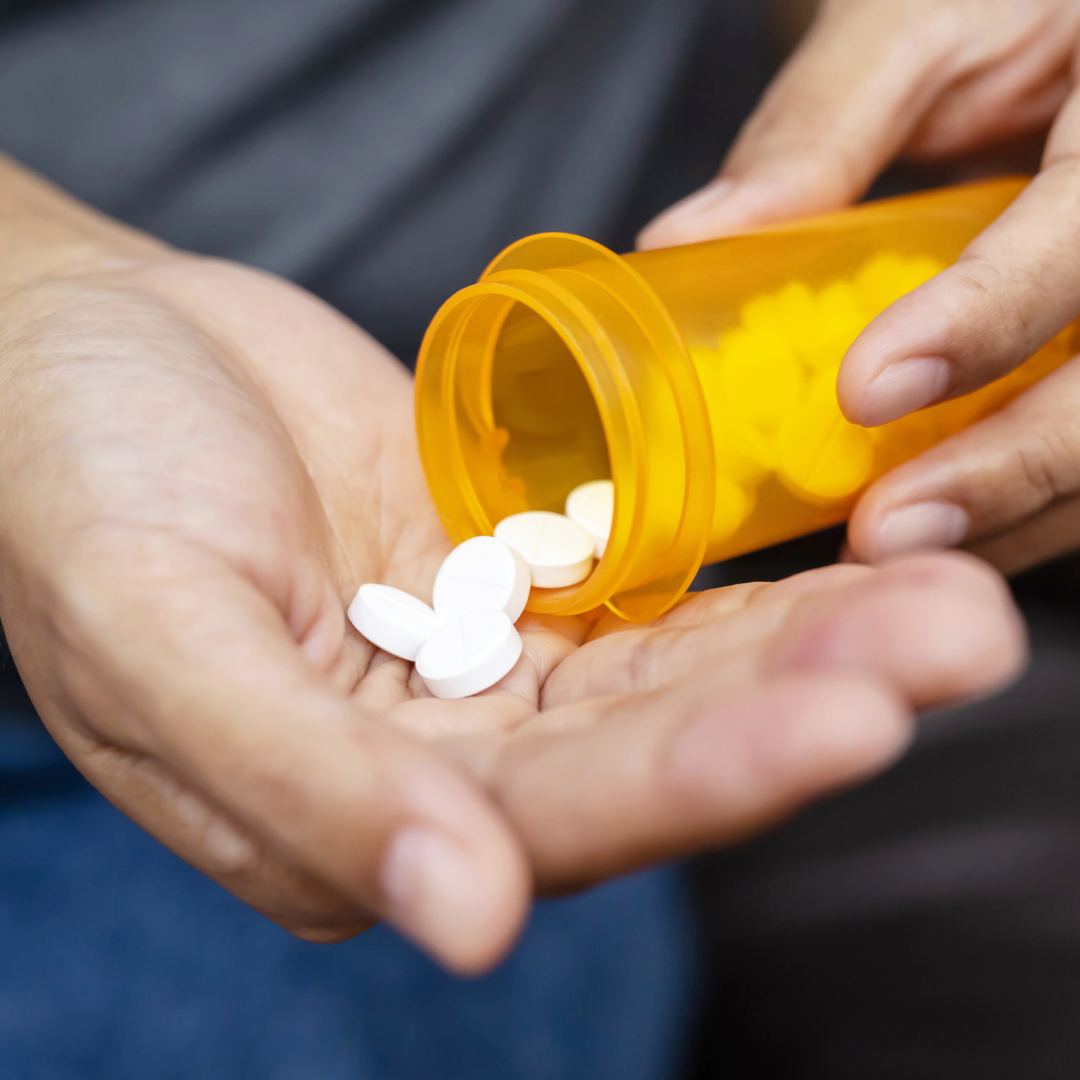
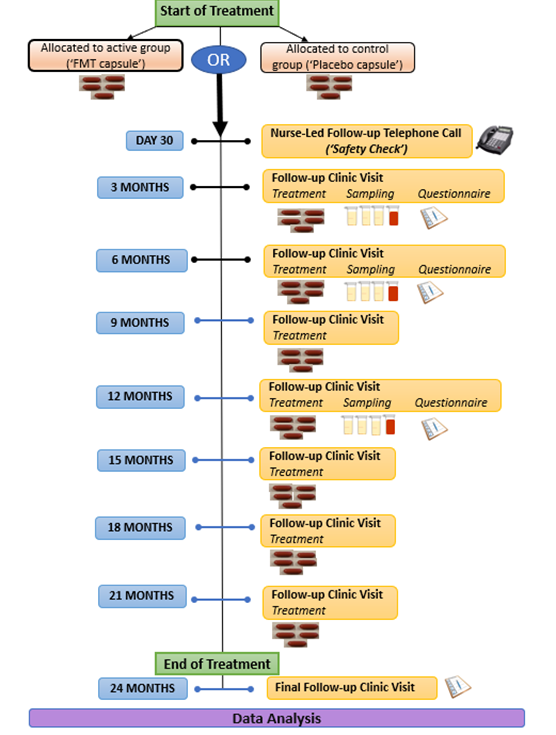
Therefore, for this PROMISE study, we have made oral FMT capsules from freeze-dried stool, to treat patients with cirrhosis, with the aim of reducing the likelihood of getting an infection. This treatment is not an antibiotic and focuses on improving gut health. Participants receive the treatment every 3 months for 2 years. This is a placebo-controlled study, which means participants have a 50% chance of receiving the FMT tablets and a 50% chance of receiving placebo (an identical-looking dummy tablet which contains no FMT). The study is blinded, which means neither the researcher nor the patient will know which treatment they are getting.
We are recruiting patients with alcohol-related liver disease (ALD) or metabolic dysfunction-associated steatotic liver disease (MASLD) from across the UK. If you’re interested in participating in this trial, please email [email protected].
Please see below for further information about our trial:
PROMISE participant’s feedback:
I have been part of the PROMISE trial now for nearly six months and have had two doses of the medication, each time I was examined, had bloods taken and gave a urine and stool sample and asked a few questions about my physical and mental health, I then took five capsules, it was just like taking any other medication, no smell or taste but I was a little apprehensive knowing the potential content of the capsules, being reassured of the screening process of the donors and the stools donated. I was also excited about being part of the trial and it’s potential benefits FMT may have on my liver disease.
I think the PROMISE trial is really important because I know vulnerable patients like myself are at greater risk of developing infections because of our immune system can be compromised.
Trial schedule
You will need to attend a study appointment with our clinical team on a 3-monthly basis for 2 years, where you will complete a few assessments, provide samples (bloods, urine, stool) and receive your treatment.
Where are we in the UK?
We currently have 15 clinics recruiting patients in England, Wales and Scotland. Please email us if you are interested in joining the trial and we can refer you to the clinical team nearest to you.
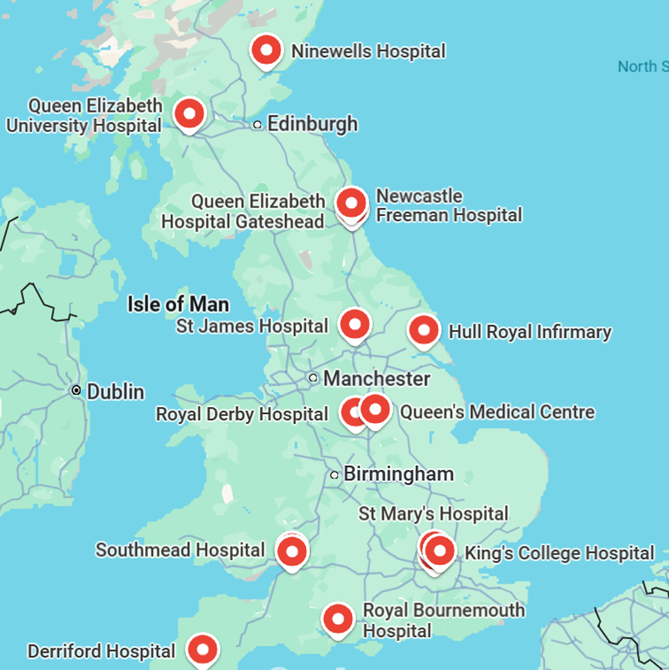
- King’s College Hospital, London
- St. George’s Hospital, London
- Queen Elizabeth Hospital, Gateshead
- St. Mary’s Hospital, London
- St. James Hospital, Leeds
- Freeman Hospital, Newcastle
- Queen’s Medical Centre, Nottingham
- Royal Derby Hospital, Derby
- Royal Bournemouth Hospital, Bournemouth
- Queen Elizabeth University Hospital, Glasgow
- Ninewells Hospital, Dundee
- Bristol Royal Infirmary, Bristol
- Derriford Hospital, Plymouth
- Southmead Hospital, Bristol
- Hull Royal Infirmary, Hull
This study started in Jun 2023. It is funded by the Efficacy and Mechanism Evaluation (EME) Programme, a partnership between the National Institute for Health and Care Research (NIHR) and the Medical Research Council (MRC). Professor Debbie Shawcross from Kings College London is the Chief Investigator of the study. The trial number is ISRCTN17863382.
Guest blog from Sue Cheung, Trial Manager, King’s Clinical Trial Unit