Check your risk
Find out if you’re at risk of liver disease using our simple at-risk checker for adults.
Find out more

Patient stories
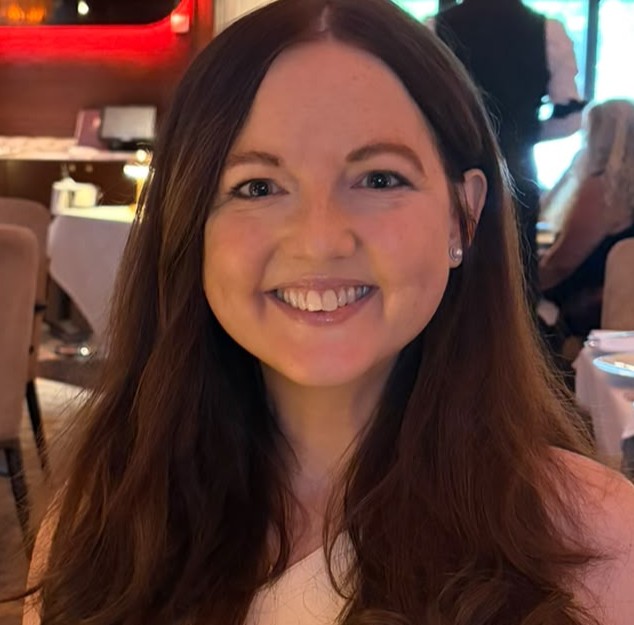
I was diagnosed with AIH in 2009, aged 20, on my exchange year in the Netherlands. I’d been experiencing slight stabbing stitch-like pains in my stomach and had no idea there was anything wrong with my liver until tests showed elevated liver enzymes.
The health system in Nijmegen, Netherlands was fantastic – they diagnosed me within a few weeks and started treatment immediately. Once I returned to Scotland however, the understanding and awareness of AIH was poor. My GP handed me an internet printout about AIH and expected me to become the expert on it.
My initial high dosage of steroids and immunosuppressants gave me a ‘moon face’ which greatly affected my confidence and I felt very sick for a year or so until the dose was reduced. The prolonged use of steroids made my bones so brittle that I now have osteoporosis, and the immunosuppressants have reduced my white blood count so much that I get frequent infections.
In June 2023 I was rushed to A&E with agonising stomach pains and was diagnosed with sepsis. I kept on getting infections and by November I had developed ascites and was worried that I would die if I didn’t get a transplant soon.
After pleading with doctors, I was referred to Edinburgh Royal Infirmary in January 2024 and the care I received then improved. I was initially rejected for a transplant, but three months later doctors decided I should be assessed and in June 2024, I was put on the list. I felt a combination of relief, fear and gratitude and hoped I might finally get my life back.
Until then I’d been managing my symptoms quite well, but now my ascites got worse and I suffered a few terrifying episodes of internal bleeding. Unfortunately, varices do not increase your chances of getting a liver and between December 2024 and January 2025 both my partner and I became increasingly worried. 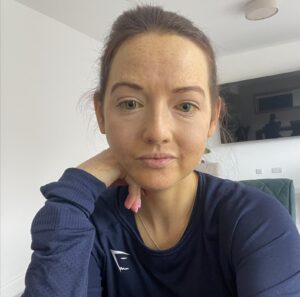
Thankfully, I received my gift in February 2025, but was relisted only 2.5 months later because I had developed cholangitis which meant the internal bile ducts were progressively dying and would eventually lead to liver failure at some point. The wait this time was a lot worse and I became immune to any medications to help relieve the symptoms. The only thing that worked was plasmapheresis, whereby my existing plasma was removed from my blood and new plasma introduced back into my bloodstream. Thankfully, this gave me some relief during the nine months of pain while I waited for the second transplant, but I was declining more rapidly than the first time on the list. I was severely jaundiced, and the itching was so unbearable that it caused depression, breakdowns and a sense of hopelessness.
I am now five months post-transplant and still having good and bad days. I am stronger and eating better, but I sleep a lot during the day and find it very difficult to get up before lunchtime. Part of it is still recovery, fatigue and also my mind trying to process what I have been through.
I was also worried after hearing that the second transplant can often take longer and be riskier due to the scar tissue and that re-transplant patients tend to wait longer for a donor liver. 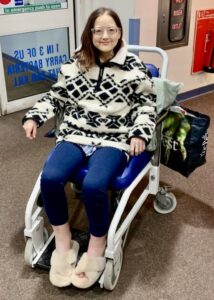
This also impacted my partner’s mental health, but he tried to stay strong to ensure I could remain positive. I knew it was a worrying time for everyone, but it was me going through it and I had to deal with it.
I am now five months post-transplant and still having good and bad days. I am stronger and eating better, but I sleep a lot during the day and find it very difficult to get up before lunchtime. Part of it is still recovery, fatigue and also my mind trying to process what I have been through. I speak to a therapist to help get through the days, as I didn’t realise how mentally challenging post-transplant life would be.
You automatically think the new liver will give you a new lease of life, but no one prepares you for how hard it is to slot back into real life. And you haven’t miraculously got rid of the disease. For me, anyway. I know I will get there, but I need to be patient and hope my family and friends will stick by me while I do.
AIH has affected my life in so many ways – I can’t plan for a family, run any more or go out without worrying if I will be well enough. The worst part is fatigue because it exists all the time and it’s not ‘just tired’ and a good night’s sleep won’t sort you out. I’m on a lifelong journey of anti-rejection medications and monitoring to ensure I don’t need another transplant.
While I’ve had two liver transplants, some people with AIH can live without needing one at all and others go into remission.
For those who do need a transplant, it sounds scary, extreme and life-changing. It is all of them, but if it comes to that, it’s absolutely the best thing for you. Doctors and surgeons don’t just put anyone on the list – they will do everything they can so you don’t reach the stage of having a transplant. I was terrified at what it might bring, but I am so grateful for the chance to live again and the generosity of two wonderful donors.
Organ donation is massively important and needs a greater awareness. Please register your wishes on organ donation and to let your family know of your decision because one day your organs could save up to nine lives.
I first heard about Liver UK in 2011 through an online group for AIH and from a volunteer. I wanted to do something for the charity, so I did a skydive for them and raised a lot of money. Back then, I would have never guessed by 2026 I would have had two transplants and be sharing my story.
In April 2026 my friend Louise ran the Manchester Marathon for Liver UK. When she finished, someone gave her a loan of their medal so I could wear it for a picture, but one day, I hope to actually receive one by running alongside her!
Please do not reproduce or republish the patient stories on this website without our express written permission. If you would like to use this content, please email us at [email protected] to discuss. You can view our full website terms and conditions here.
Make a donation
Your donation helps us support people of all ages affected by any type of liver condition, provide trusted information and campaign for better prevention, diagnosis, treatment and care. Together, we can transform lives.
Find out more
Find out more
Find out more