A pioneering treatment which could slow or reverse liver failure and offer a potential alternative to liver transplants has shown positive results in a medical trial.
70% of end-stage liver disease patients who were treated with macrophage cell therapy in the MATCH trial did not need a liver transplant after four years, compared with just 40% who didn’t receive the treatment.
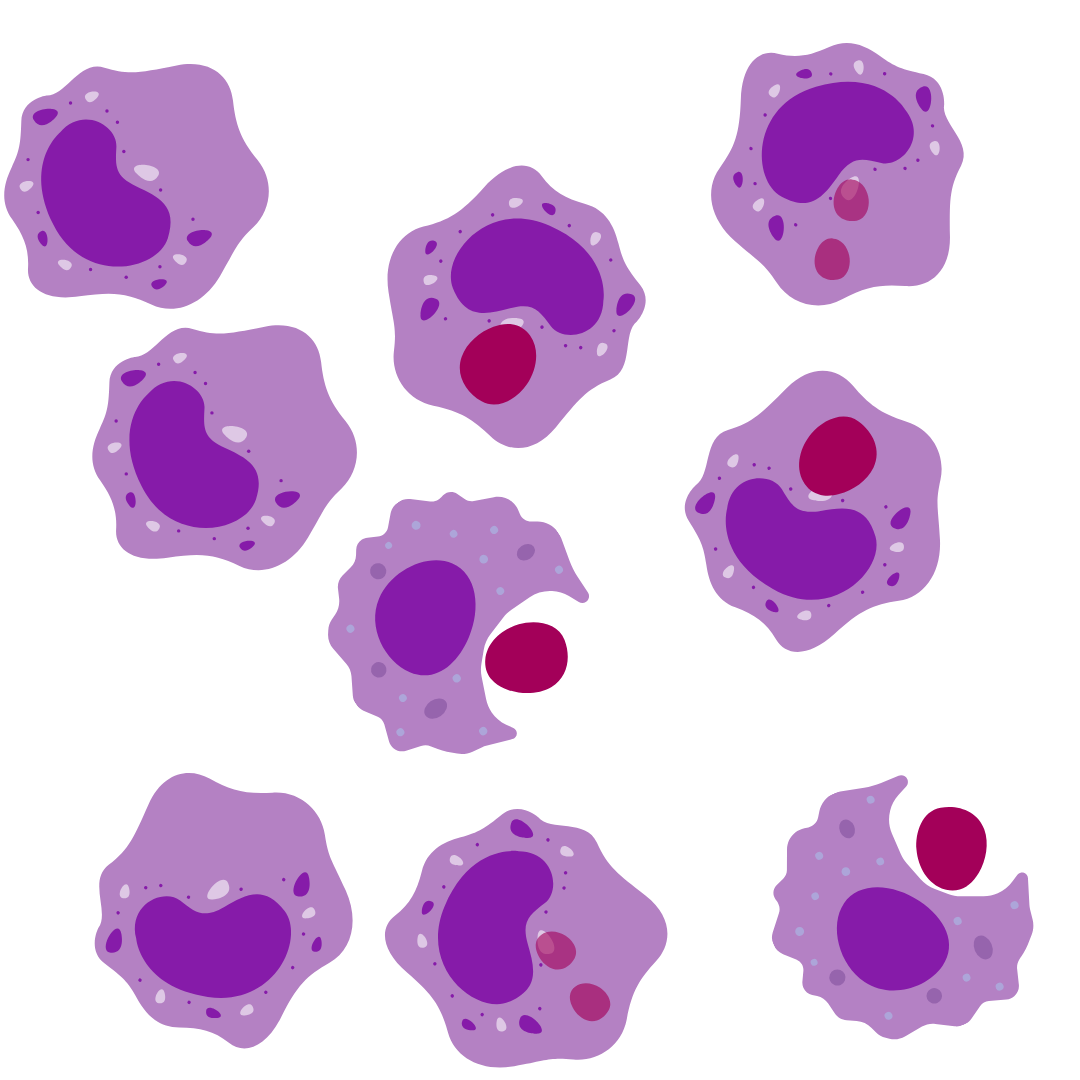
The cell therapy takes immune cells from the patients’ blood and turns them into mature macrophages – a white blood cell – which is then re-injected back into the patient. The macrophages travel to the liver, where they break down scar tissue, reduce inflammation, and encourage the growth of healthy liver cells.
Pamela Healy, Chief Executive of the British Liver Trust, said: “For people living with cirrhosis, these results offer something that has been in desperately short supply for far too long: real hope. Being told that a liver transplant may be your only option – and that one may never come – is devastating for patients and families. A treatment that could slow or reverse liver failure and reduce the need for transplantation would be truly life‑changing.
“Patients have been at the heart of this research from the very beginning. The British Liver Trust has worked closely with the study team to support and involve people with lived experience of cirrhosis, helping to shape the research and encouraging participation in the trial. That patient voice is essential if new treatments are to meet the real needs of those facing this disease every day.”
A liver transplant is currently the only treatment for end-stage liver disease patients, but is limited by a lack of suitable donor organs. More than 75% of people are diagnosed with cirrhosis when it is too late for effective treatment, leading to more than 11,000 deaths per year in the UK. It is hoped that the macrophage cell therapy will become an additional treatment option in the future and reduce the need for transplants.
Professor Stuart Forbes, from the University of Edinburgh’s Institute for Regeneration and Repair, said: “Liver disease is a major cause of death of people in their working age. Although we can use liver transplantation as a rescue treatment for a proportion of people who have advanced liver disease, this is restricted by a lack of suitable donor organs. Unfortunately, many patients may die whilst on the liver transplant waiting list. There is therefore a desperate need for alternative treatments for patients with advanced liver disease.”
Find out more about the MATCH trial CELL-STEM-CELL-D-25-01151_R2