The British Liver Trust has worked in partnership with key organisations and stakeholders to develop a consensus Statement on non-alcohol related fatty liver disease. The statement sets out an ambitious vision for improving prevention, early detection, outcomes and care for non-alcohol related fatty liver disease. A revised version of the statement was launched at the All-Party Parliamentary Group on Liver Disease and Liver Cancer on 21 March 2023.
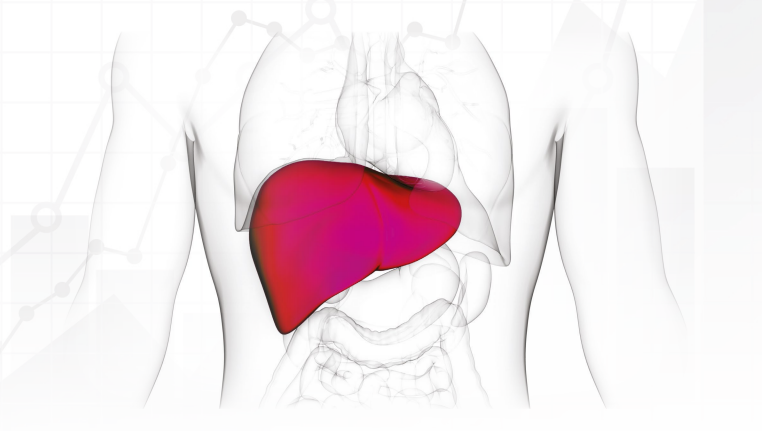
Two thirds of adults in the UK are overweight or obese and as a result up to 1 in 3 people are affected by non-alcohol related fatty liver disease – the harmful accumulation of fat in the liver. Poverty and deprivation continue to drive fatty liver disease burden and exacerbate huge pressures facing the NHS.
The consensus statement highlights good practice case-studies and sets out key policy recommendations for Government, NHS and Integrated Care Systems to help turn the tide on the fatty liver disease epidemic:
- Population level preventative measures are urgently needed to regulate the obesogenic environment
- Upstream interventions which target the most at risk populations for early intervention
- A prompt and comprehensive review of adult liver services
- A National Pathology Pathway for the Early Detection of Liver Disease
- Established multidisciplinary team (MDT) working
- Good practice and innovation in patient care and access to information
The consensus statement was welcomed by leading voices in prevention and public health including Shadow Public Health Minister, Andrew Gwynne (Labour), former Public Health Ministers Maggie Throup (Conservative) and Lord Hunt of Kings Heath (Labour), and Kat Jenner (Director of the Obesity Health Alliance).
In response to the launch, Pamela Healy OBE, Chief Executive of the British Liver Trust said, “The Consensus Statement on Non-Alcohol Related Fatty Liver Disease sets out an ambitious vision for tackling the rising scale of the fatty liver disease epidemic. Improving prevention and early detection of fatty liver disease is critical to save lives and reduce the vast pressures facing the NHS in the future.”
The consensus statement was developed following a roundtable discussion hosted by the British Liver Trust and chaired by Sir Mike Richards (former Chief Inspector of Hospitals) in February 2021. This document was updated to reflect new guidance from clinicians in March 2023.