
How to tell if a baby is jaundiced
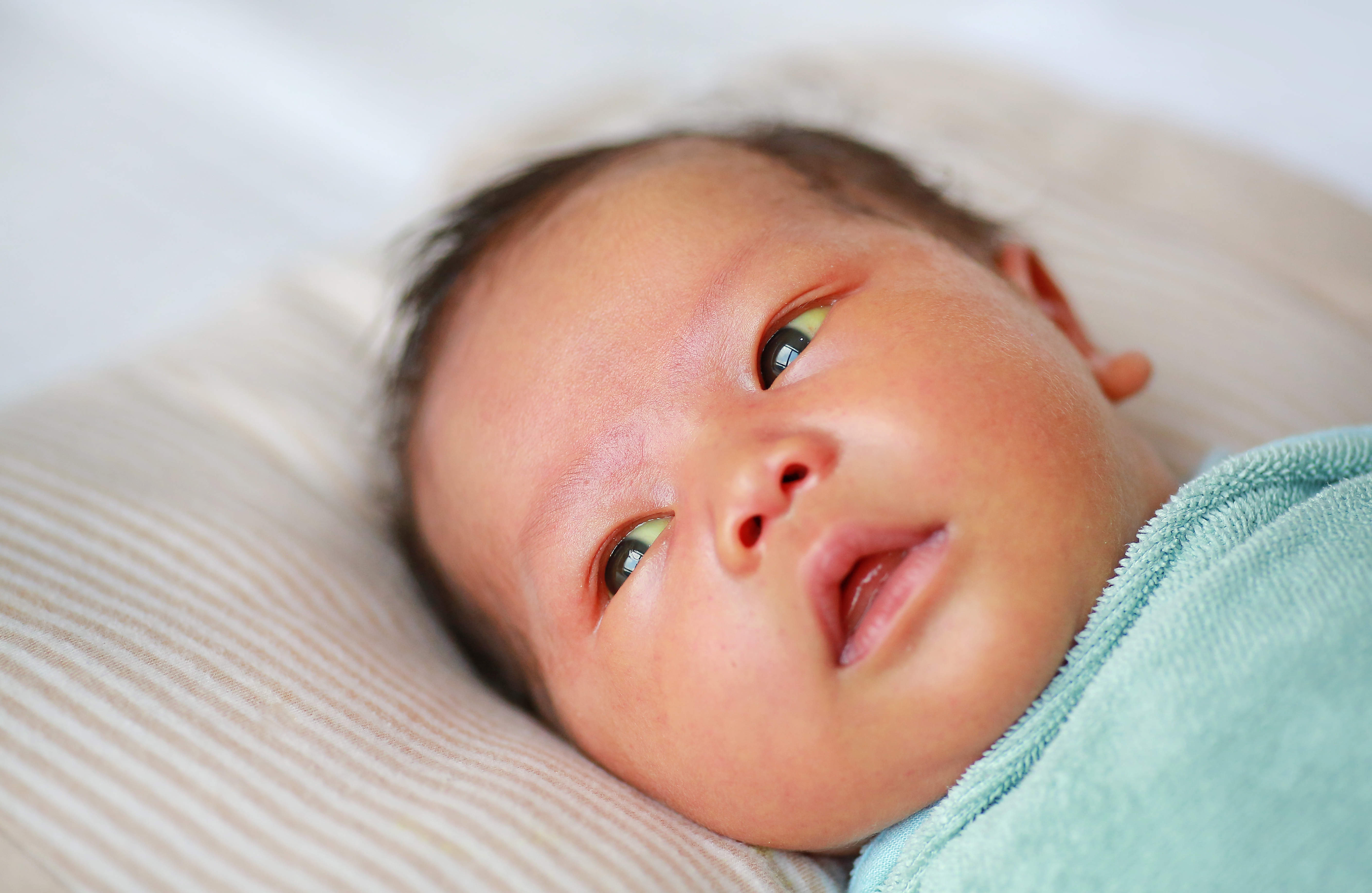
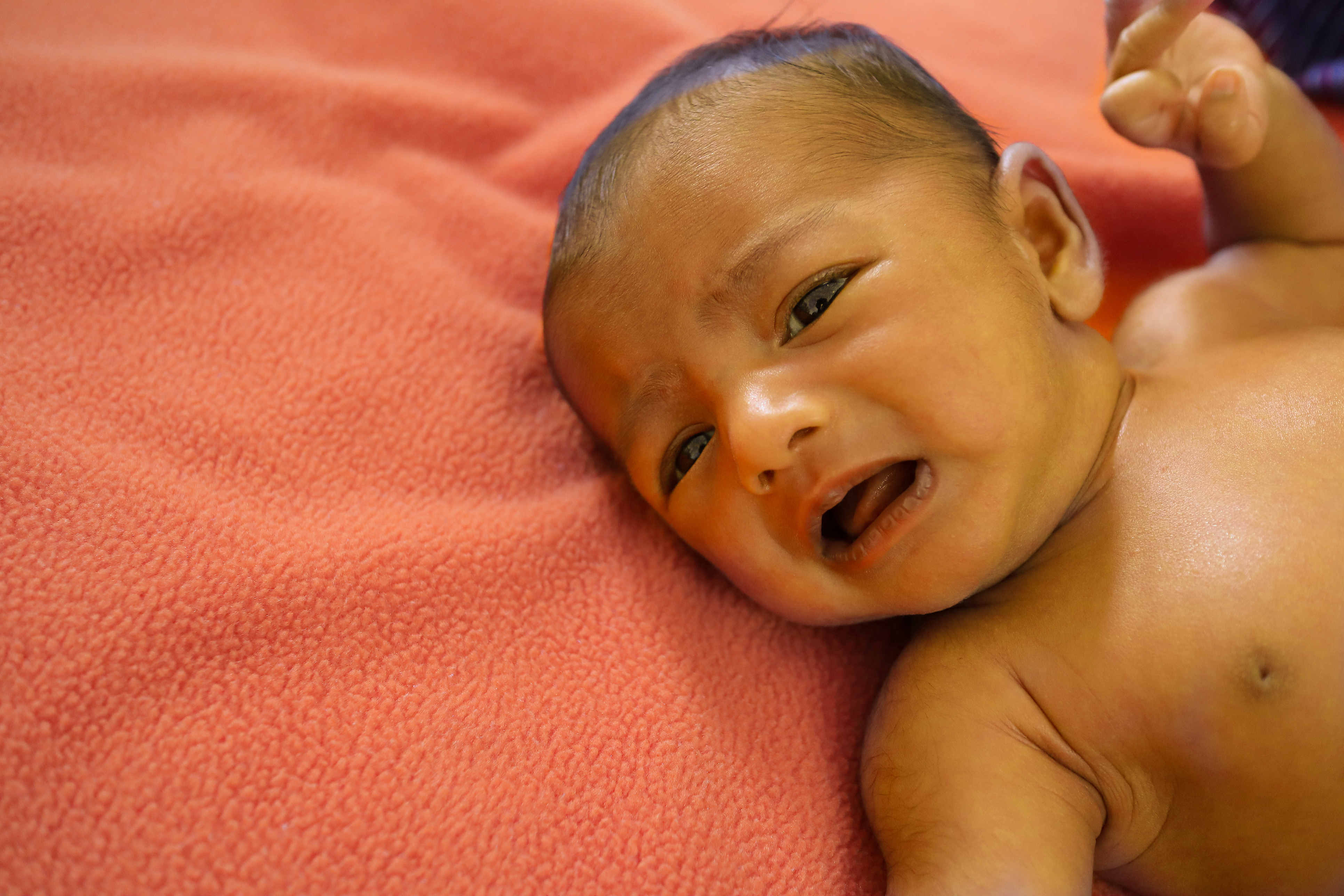
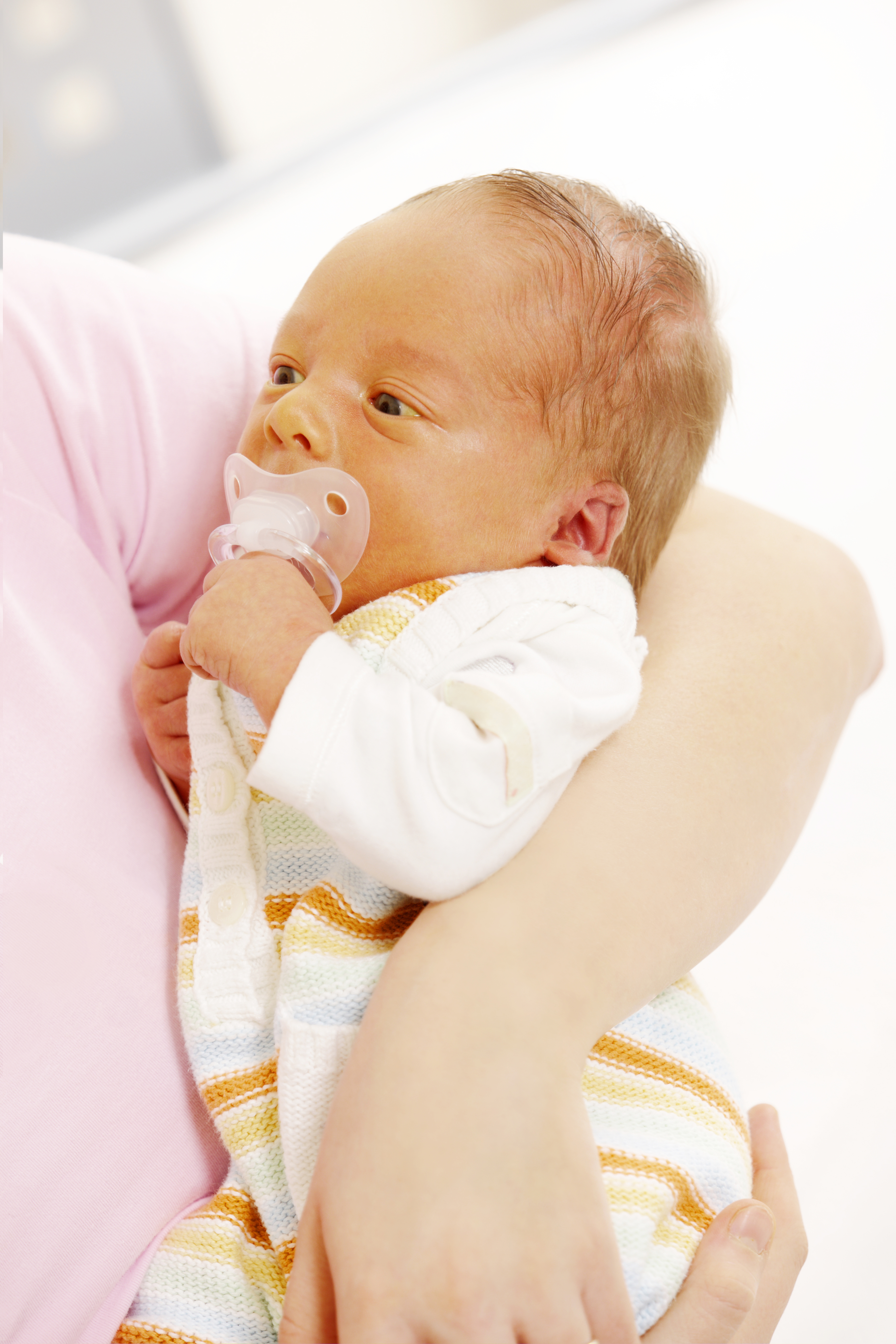
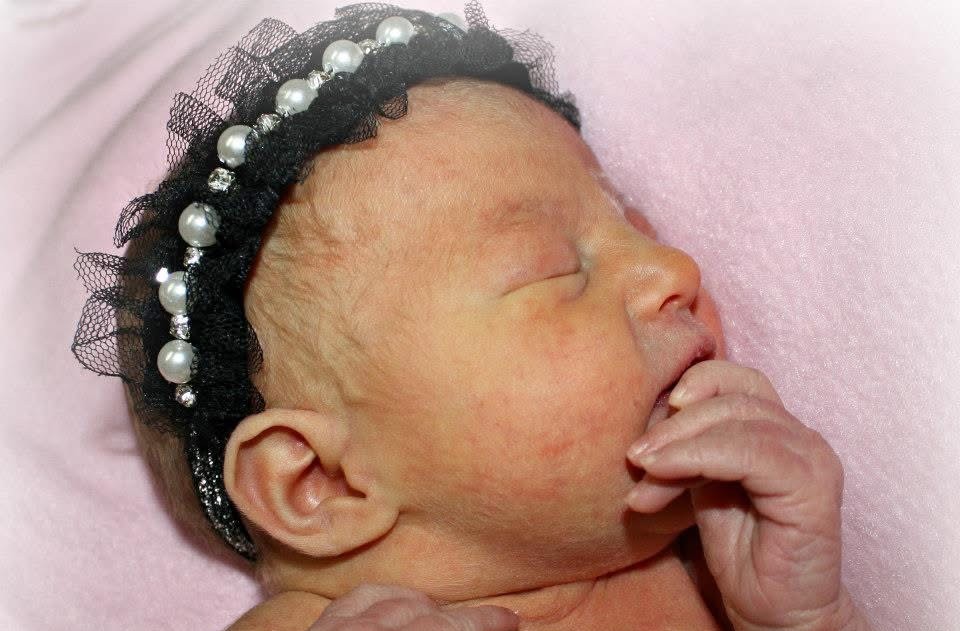
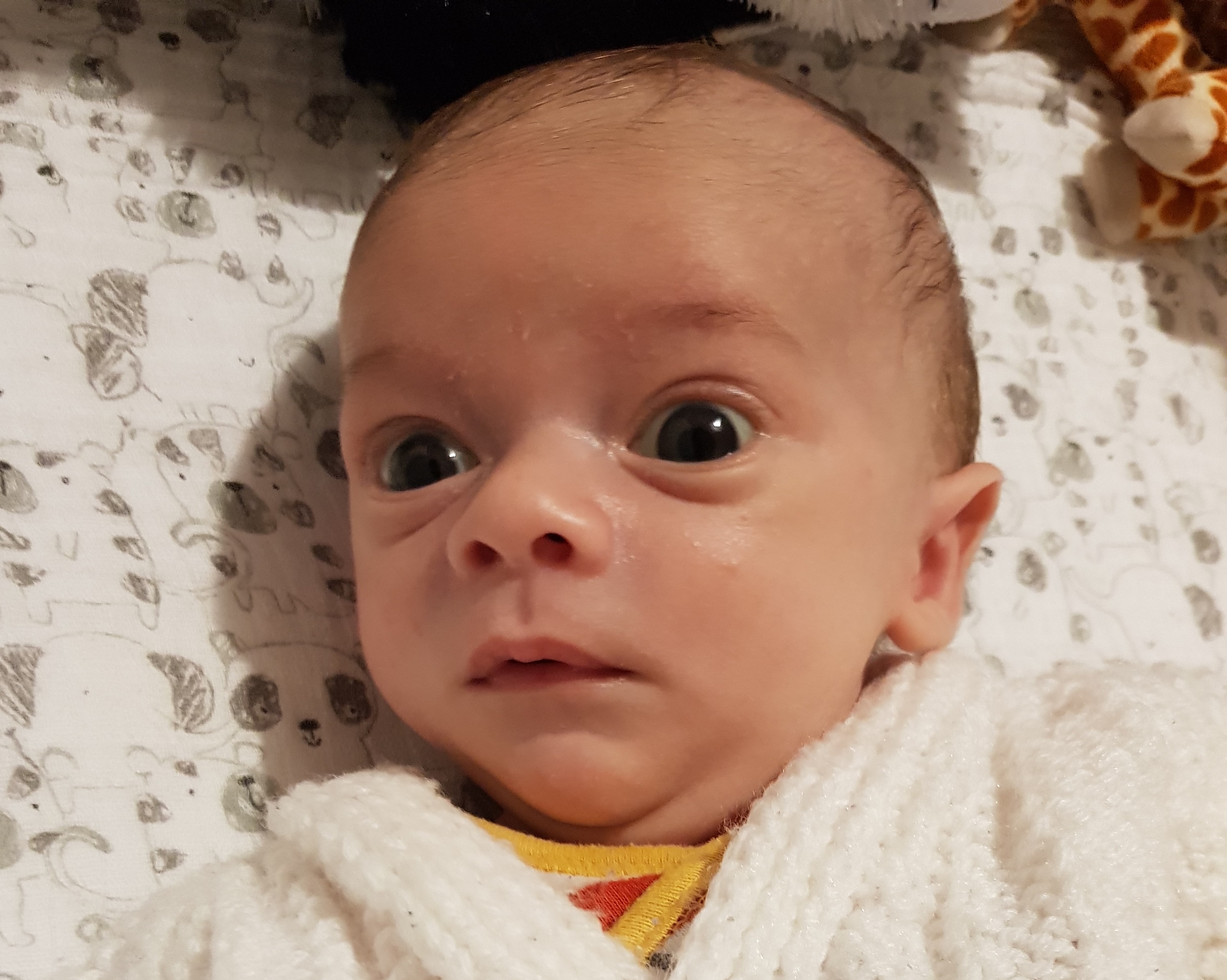
Jaundice is when the whites of the eyes and the skin turn yellow. It can be difficult to spot in newborn babies.
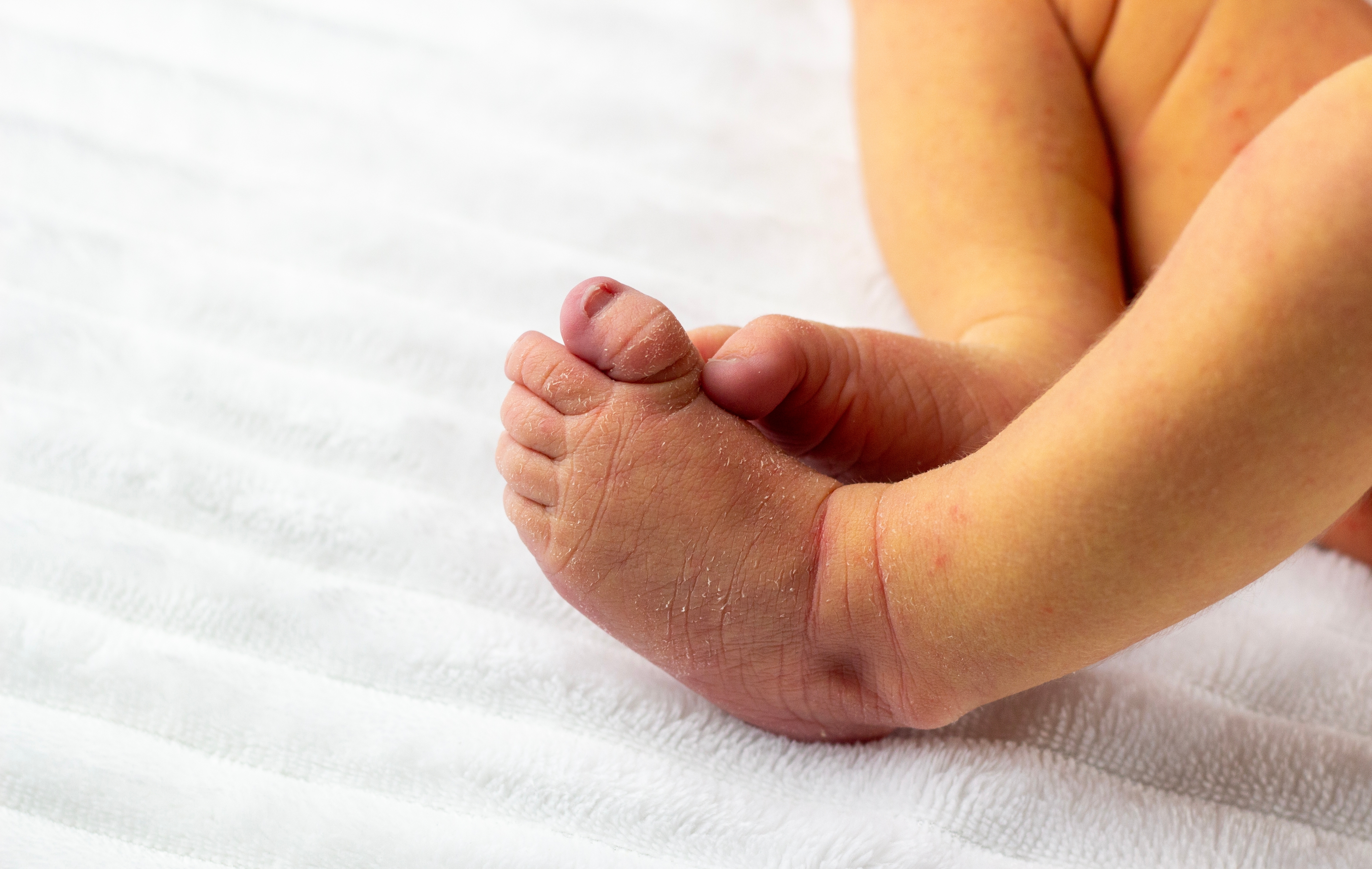
Some babies will look very yellow. In other babies the colour change can be hard to see. Jaundice can be even more difficult to see in babies with black or brown skin.
Jaundice may be easier to see in the:
- whites of the eyes
- soles of the feet
- palms of the hands
- inside the mouth, including the tongue and gums
Jaundice is very common in newborn babies but in most cases clears on its own by the age of 2 weeks.
If jaundice persists beyond 2 weeks (3 weeks for a pre-term baby), a health professional must be contacted immediately.
All the babies in the pictures below have jaundice
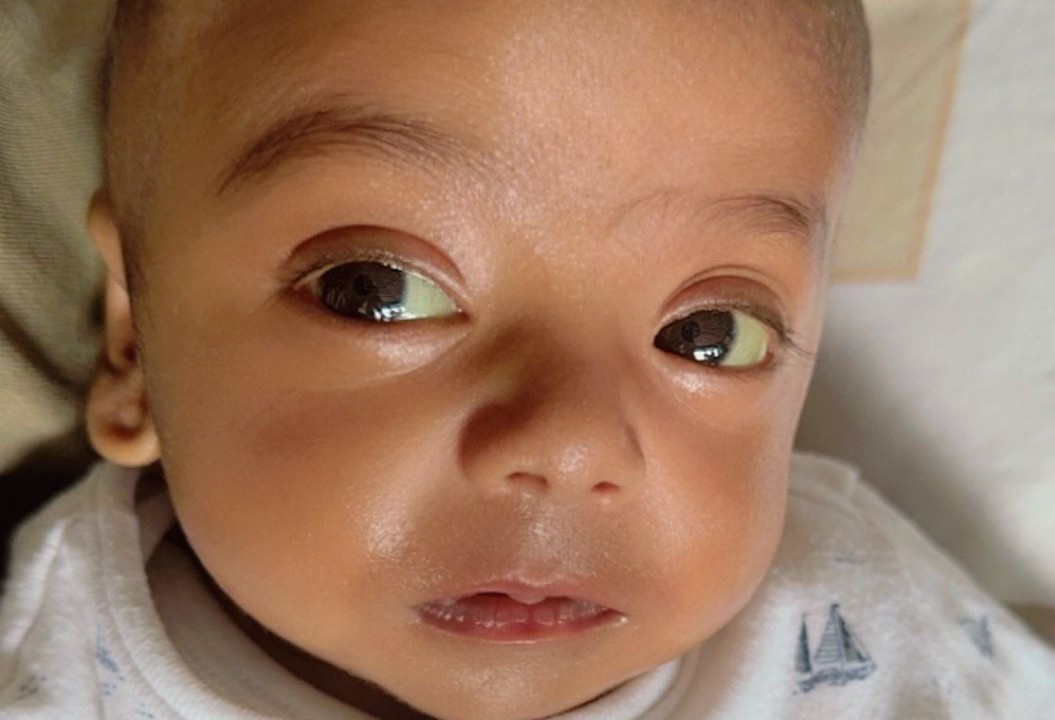
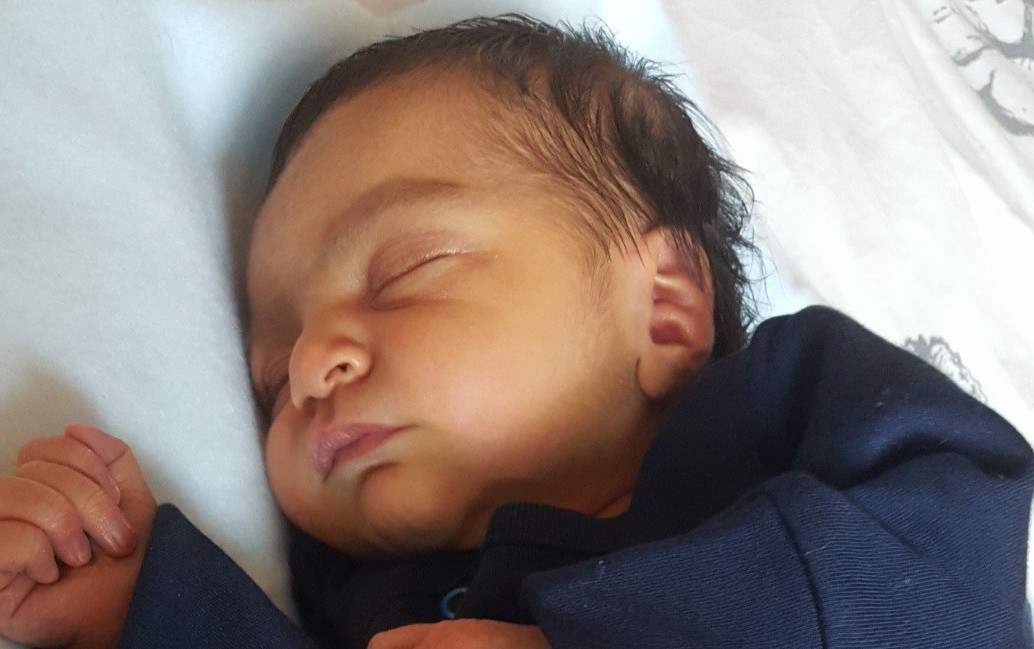
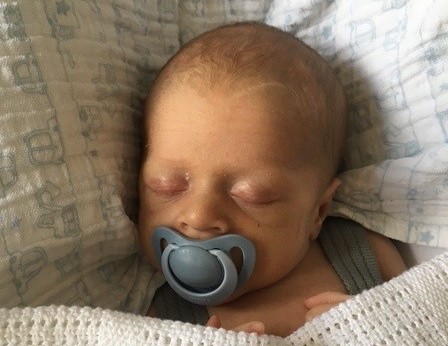
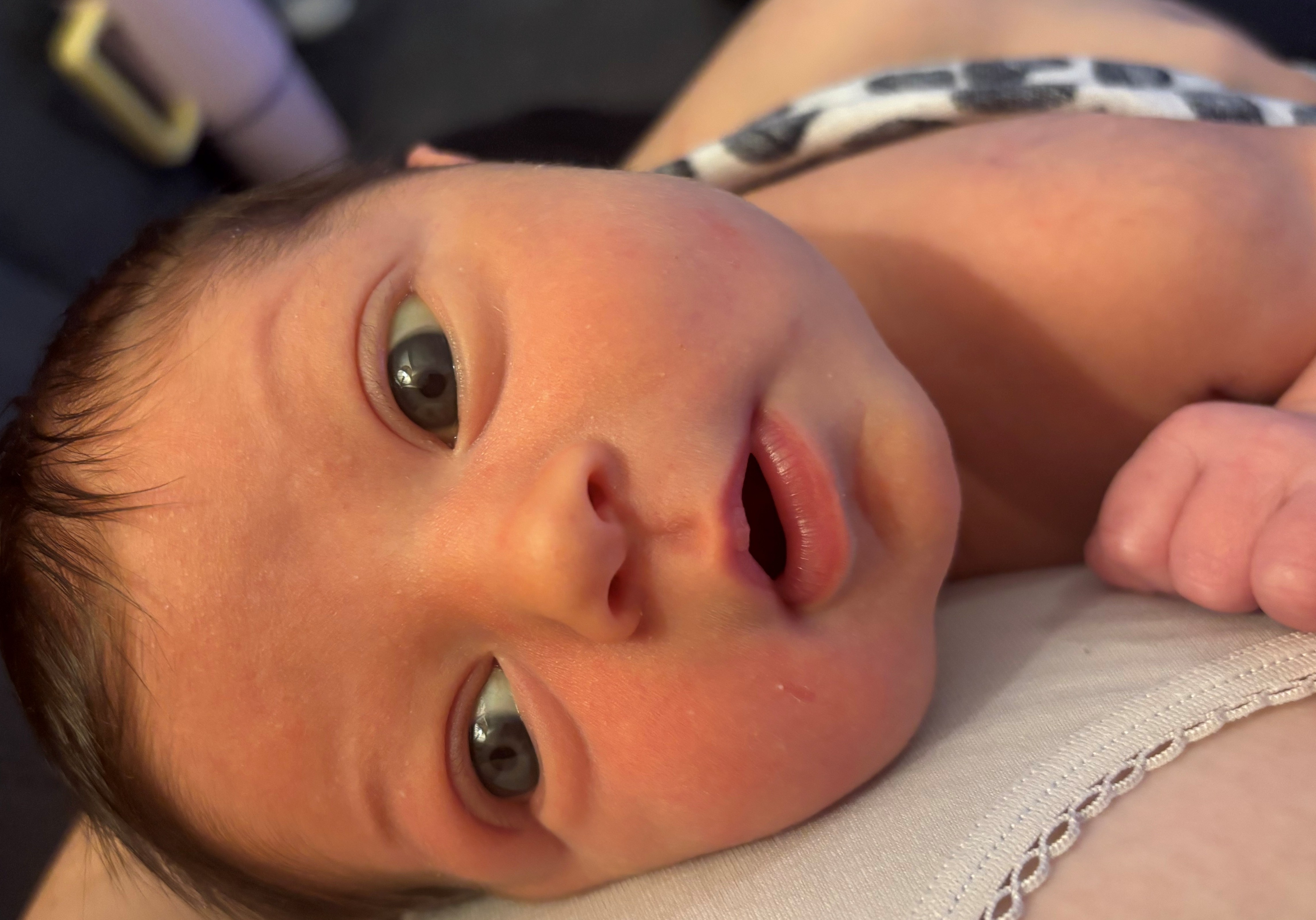
We’re lucky that our midwife recognised the danger signs. Jaundice in newborn babies may be common but I now know that prolonged jaundice isn’t. I want every new mum to be aware of that fact.”
FAQs
If your baby is showing any the symptoms of a childhood liver disease, you will naturally feel anxious.
Here are the answers to the most common questions parents have.
I’ve been told my baby is feeding well, growing and looks well so the jaundice can’t be caused by liver disease. Is this true?
Sadly, no. This is a common mistake that people make. In the early stages of liver disease, a baby can look and seem well and can be feeding normally. They may even be feeding extremely well. The best way to make sure is to look at your baby’s stools and urine and have a split bilirubin test.
I keep saying that my baby is still jaundiced but nobody is listening. What should I do?
My baby has prolonged jaundice. They’ve not been tested as I’ve been told the jaundice is due to breastfeeding. Is this right?
I’ve been told that my baby needs to see a paediatrician. What happens now?
My baby has been referred to a specialist centre. Is there any help for me and my family?
More information for parents and health professionals
We have a range of information, reviewed by experts in paediatric hepatology, to enable parents and health professionals to recognise the signs of liver disease in newborn babies and take appropriate action quickly.
Make a donation
Support us to transform lives
Your donation helps us support people of all ages affected by any type of liver condition, provide trusted information and campaign for better prevention, diagnosis, treatment and care. Together, we can transform lives.

More from Liver UK

Check your risk
Find out more
Support us
Find out more
Keep up to date
Find out more