
Your Yellow Alert stories
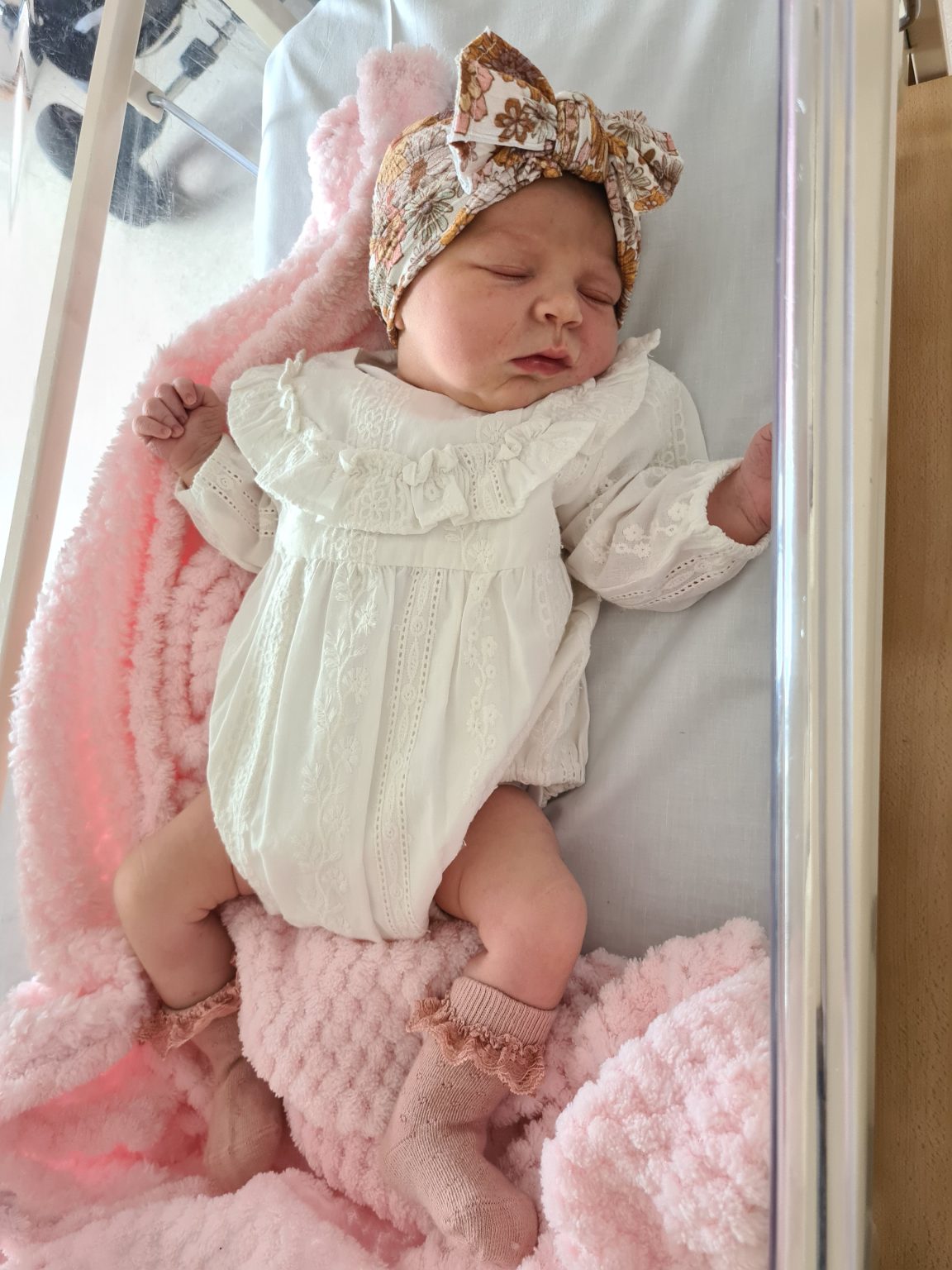
Niamh's story
Yes, she was jaundiced but we knew that lots of babies are jaundiced so we didn’t really worry about that. The reason our health visitor sent us to hospital at 12 days old was because she noticed a hemangioma.
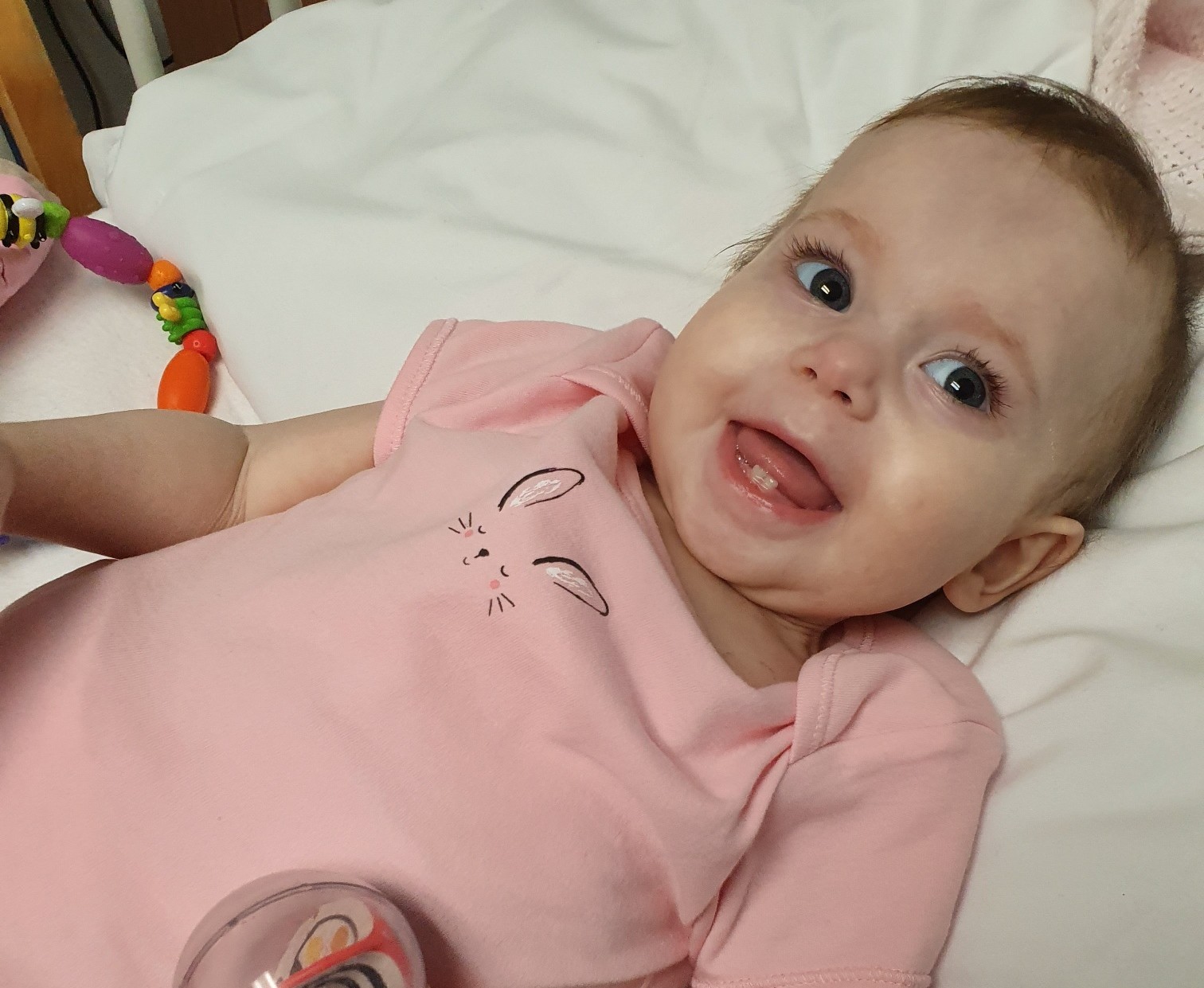
Gemma's story
We now know that she should have been referred for a blood test between two and four weeks of age to investigate the causes for her jaundice. Putting her in daylight and breast feeding was never going to clear it.
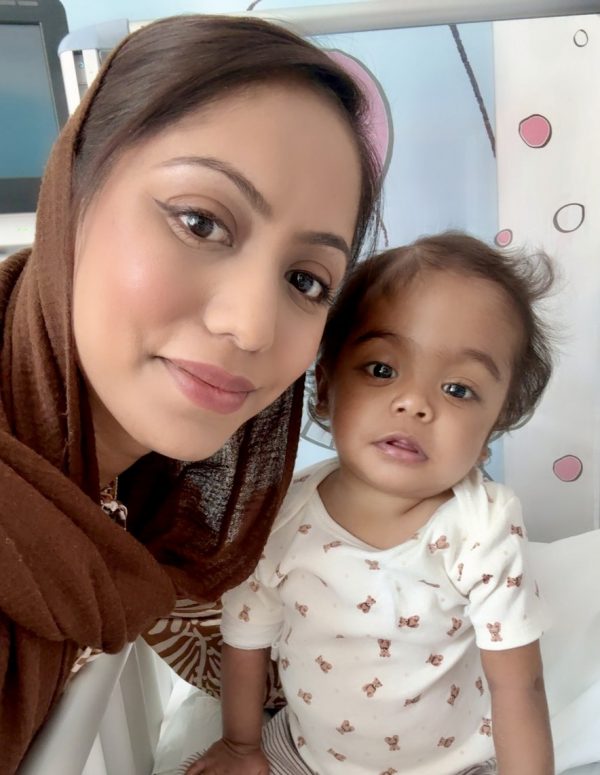
Summiya's story
Knowing what I know now, my advice to other parents in relation to childhood liver disease is to trust your instincts.
Hear Gemma’s story
Gemma’s daughter Isabella was diagnosed with a rare liver condition called biliary atresia.
She tells the story of Isabella’s birth, early months, missed diagnosis and eventual liver transplant.
Knowing what I know now, my advice to other parents is to trust your instincts. If you notice that your child’s stools are pale or chalky, or that their skin or eyes are unusually yellow, do not wait or accept reassurances that it is nothing to worry about. Seek immediate medical advice from a GP or hospital.”
More information for parents and health professionals
We have a range of information, reviewed by experts in paediatric hepatology, to enable parents and health professionals to recognise the signs of liver disease in newborn babies and take appropriate action quickly.
Find answers
FAQs
If your baby is showing any the symptoms of a childhood liver disease, you will naturally feel anxious. Here are the answers to the most common questions parents have.
I’ve been told my baby is feeding well, growing and looks well so the jaundice can’t be caused by liver disease. Is this true?
Sadly, no. This is a common mistake that people make. In the early stages of liver disease, a baby can look and seem well and can be feeding normally. They may even be feeding extremely well. The best way to make sure is to look at your baby’s stools and urine and have a split bilirubin test.
I keep saying that my baby is still jaundiced but nobody is listening. What should I do?
It is important that you feel able to talk to your doctor, midwife or health visitor about your concerns. We always encourage parents to follow their instincts and seek help if something doesn’t feel right. Ask for a second opinion if you are not happy.
My baby has prolonged jaundice. They’ve not been tested as I’ve been told the jaundice is due to breastfeeding. Is this right?
No. We know that parents are often reassured that the cause of prolonged jaundice is breast milk jaundice. But this is often done without testing. It is important that a diagnosis of breast milk jaundice is made after a split bilirubin test is carried out and not before.
I’ve been told that my baby needs to see a paediatrician. What happens now?
Your baby may be showing signs of a liver condition. Or the split bilirubin test may suggest there is a problem. Your baby will need to see a paediatrician (children’s doctor). This will usually be at your local hospital. They will do more tests to find out what is happening. If the tests suggest your baby has a liver condition, they may be referred to a specialist liver centre.
My baby has been referred to a specialist centre. Is there any help for me and my family?
Yes. This will be a worrying time, but the Children’s and Families team at Liver UK can provide information, advice and a listening ear.
Make a donation
Support us to transform lives
Your donation helps us support people of all ages affected by any type of liver condition, provide trusted information and campaign for better prevention, diagnosis, treatment and care. Together, we can transform lives.
More from Liver UK

Check your risk
Find out more
Support us
Find out more
Keep up to date
Find out more