Check your risk
Find out if you’re at risk of liver disease using our simple at-risk checker for adults.
Find out more

Patient stories
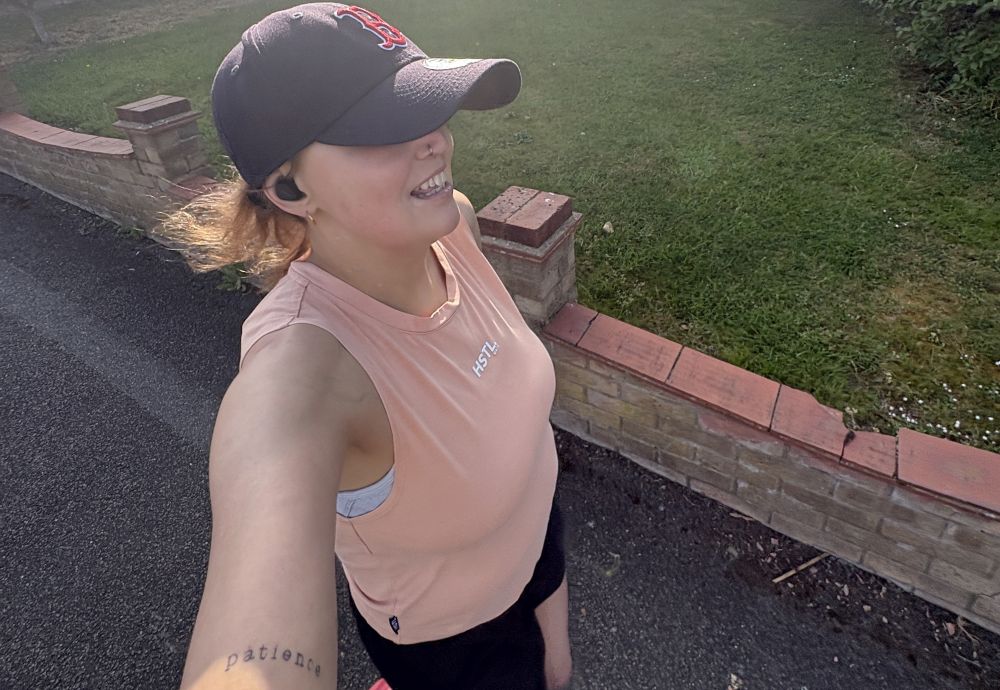
In October/November 2024 I started getting really bad ascites, was losing weight, and had jaundice, fatigue and nausea. My brain was all over the place and waking up every day was a struggle.
I kept calling my transplant coordinator but all they could do was direct me to A&E and I was in and out of there a lot. I had to go on my birthday because I was on the loo all the time, I had developed a hernia from the ascites, and I was in constant pain but they said there was nothing they could do. I went back on mine and my boyfriend’s anniversary with severe stomach pain, which they said was gastroenteritis and gave me morphine and a high dose of gastro drugs. I couldn’t move from the sofa at home, go out, see friends or eat and after being made redundant I felt like my life had been taken away from me. 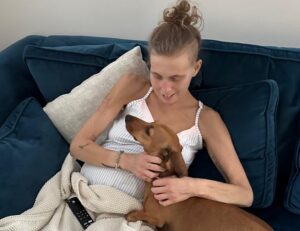
By March 2025 I tried to distract myself by setting up my private nutrition practice. At the time I was fighting the DWP for my PIP – they stopped paying me even though I was getting worse and I prepared to go to tribunal. Thankfully, I had a lot of support around me.
When I went to hospital to drain my stomach of fluid as the diuretics weren’t working, I stayed for a week because my blood pressure was dangerously low. I was now prioritised on the transplant list and got ‘the’ call a month later on the 6th June. A mixture of tears, adrenaline and nerves followed
Walking into the operating theatre was the most at peace I’d felt for months. I’d agreed to be part of a study where Kings were trying to make the use of perfusion machines in liver transplants part of general practice. Therefore my liver would be given a higher chance of longevity and success.
Once I had come to in ICU I found out that I had a skin-only closure because they had needed to transplant a far larger liver due to the urgent need for my surgery. This is used in transplant to avoid cutting off blood flow and allowing the larger liver to settle, before they close the muscle layer.
The transplant took ten hours and waking up in ICU was weird because I was pumped with drugs and never knew what time of day it was, I found the whole experience very traumatic. I was in hospital for four weeks and really struggled with pain, sickness, severe constipation, a loss of appetite, severe weight loss and poor mental health. It was a rollercoaster with small wins like showering or walking down the corridor.
They say the real healing’s done outside and that’s very true. Five months later I went from barely walking to walking daily, sneaking in some non- strength training, and ploughing through books. At this time I was applying for a PhD thinking the a year later I’d be doing so well. I was feeling good and ready for my surgery to close up the muscles. I was meant to just be in hospital for a week, but I ended up staying four weeks due to multiple infections, including sepsis.
At one point I was angry at my donor liver, but know I wouldn’t be here without it.
I was experiencing cholangitis but it took a while to diagnose due the infections plaguing my body. My main bile duct needed another stent which is common post transplant. I was getting 40C temperatures every night and wondering when the pain would stop and how it would all end. I was in hospital for my birthday and I kept having to cancel plans. They put the stent in and I finally got sent home, with a course of antibiotics. A couple of days after the antibiotics finished, I got a temperature, and started feeling lightheaded, nauseous and very breathless. I went back to my local A&E hospital where they discovered my red blood cell count was on the floor. Two litres of blood later and another infection, I ended up back at King’s over Christmas. 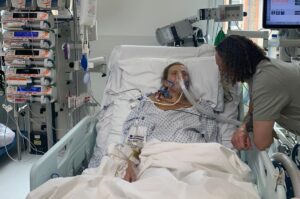
They gave me antibiotics, and with another cholangitis flare-up I need a new stent, which was plastic this time. During the follow-up MRCP (special MRI) they found scar tissue on the end of the bile ducts. This is a rare complication of liver transplant called ischemic cholangiopathy. It is caused by a lack of oxygen to the bile ducts during transplant, and for me I had even less than the average chance at 5-10% due to the use of a perfusion machine.
I’d now had enough and was in a very bad place mentally, so I went to the GP and got medication, I’m not ashamed of that. Everything was hitting me like a bus, so I needed to do something. It made the 2nd transplant assessment and everything that has followed easier to deal with.
At one point I was angry at my liver, but know I wouldn’t be here without it.
Since then, it’s been tests, my six-weekly appointments with my surgeon, and now a hospital admission. He would like me to have a braindead donor, or an extremely high quality liver from cardiac death, which I’m trying not to dwell on because my recovery was poor the first time around. He also mentioned a live donor which they have authorised but I’m finding this difficult to consider. There’s guilt associated with that, because it’s a lot to ask of someone.
But I’m still doing things with my life, I have a new job and am due to start a PhD. I did the Couch to 5K and was regularly running, which makes me feel I’ve got my life back to an extent. I’ve slowly started CrossFit again and I went on holiday to Germany and Spain, which was the best medicine because it helped me sit with my thoughts and process what has happened.
While there are obvious funding issues, there should be trauma recovery support for patients, as well as social and psychological help. I had pre-existing mental health problems and should have been flagged and provided with extra support. Thankfully my medication regulates my nervous system so I’m not constantly stressed or depressed and can function in normal life.
I am now on the transplant list and have begun to experience a lot of what I experienced before. Being post and pre transplant is a weird place.
Please do not reproduce or republish the patient stories on this website without our express written permission. If you would like to use this content, please email us at [email protected] to discuss. You can view our full website terms and conditions here.
Make a donation
Your donation helps us support people of all ages affected by any type of liver condition, provide trusted information and campaign for better prevention, diagnosis, treatment and care. Together, we can transform lives.
Find out more
Find out more
Find out more