A survey of people with viral hepatitis, conducted by the British Liver Trust this month, has found that almost a quarter delayed seeking medical help due to the stigma associated with their diagnosis and half have been stigmatised by healthcare professionals.
The British Liver Trust has released these findings today on World Hepatitis Day, to highlight how addressing stigma is vital to ensure that people come forward to get tested and receive the intervention and treatment they need.
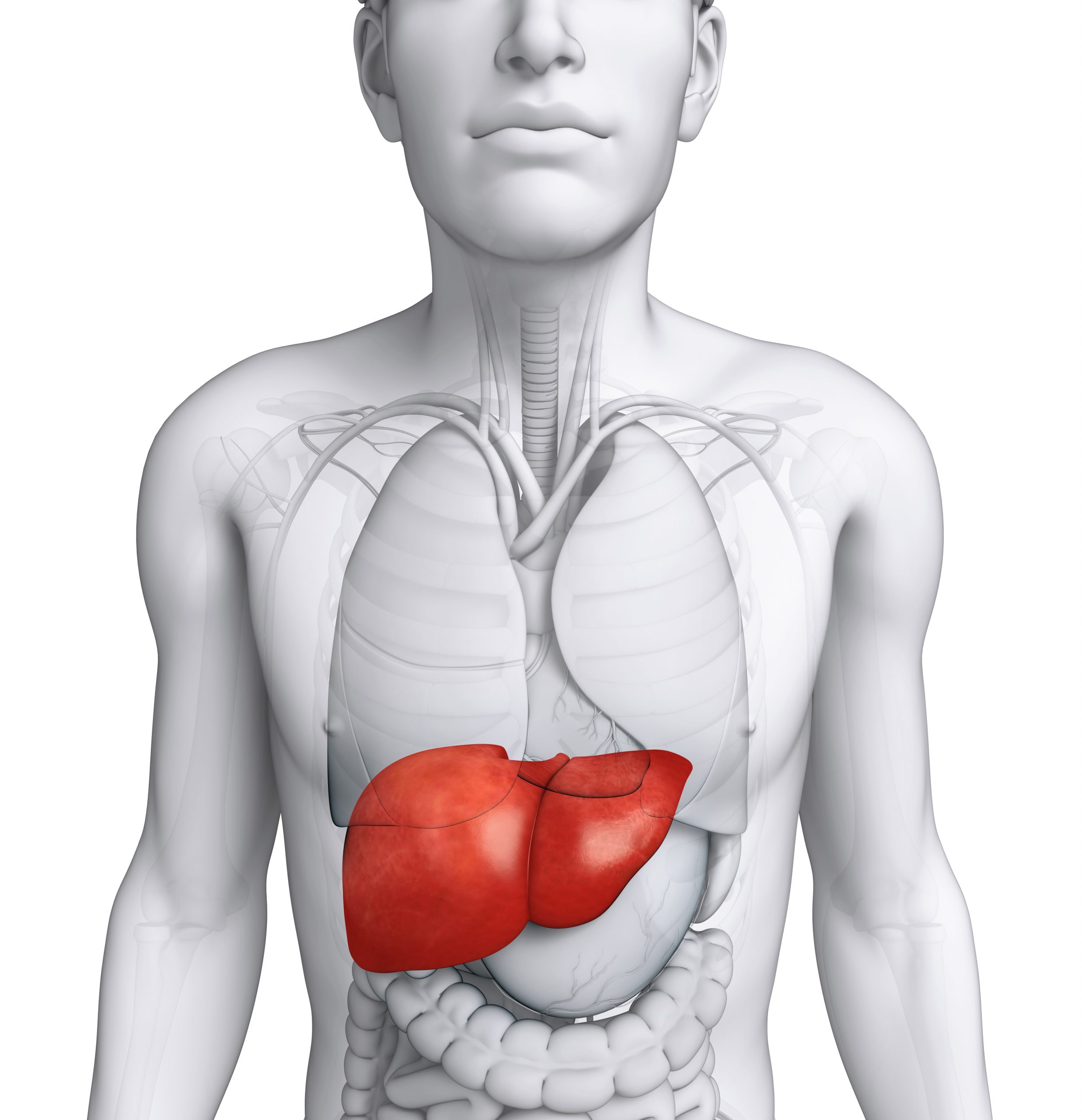
It is estimated that over 80,000 people are infected with Hepatitis C and more than 400,000 are infected with Hepatitis B in the UK. Both these forms of viral hepatitis cause inflammation of the liver that, if left undetected, can lead to life-threatening liver failure and liver cancer. The UK has pledged to eliminate the disease by 2030.
Vanessa Hebditch, Director of Communications and Policy at the British Liver Trust said, “We know that the stigma surrounding hepatitis prevents some people from even getting tested for the condition, but we encourage anyone at-risk to come forward.
“There is now an effective cure for Hepatitis C if it is found in people early enough and there has been excellent progress in in eliminating it in the UK, with more than 100,000 people cleared of the virus in the last few years.
“Treatment for Hepatitis B can be lifelong but early detection of the disease is key to stopping progression. Both forms of hepatitis often have no symptoms in the early stage so the challenge is to find those who are at-risk.”
The survey also revealed that the stigma surrounding hepatitis has a huge impact on people’s relationships and isolates them from others. One respondent said, ‘I have told none of my friends, colleagues or family except my partner and son’ and another said. ‘I’ve kept it secret for 20 years’.
Some people with viral hepatitis have also faced stigma in healthcare settings with one respondent saying that a healthcare professional said, ‘if you don’t take your health seriously, why should we’.
Vanessa continues: “Even if someone’s hepatitis is caused by lifestyle choices, we need to recognise that the root cause is much deeper and stop stigmatising people. This will only stop people seeking help.”
Common risk factors for Hepatitis C include sharing contaminated needles during intravenous drug use, sharing personal items contaminated with blood such as razors, or having unprotected sex with someone who already has the virus. It can be transmitted from mother to baby during birth.
Professor Steve Ryder, Medical Advisor to the British Liver Trust, said: “We would urge anyone who has ever taken drugs (even if it was many years ago) to get tested. Many people are aware that sharing or being injected with the same needle and syringe is a huge risk for infection through blood to blood contact.
“However, people are less aware that if you share a rolled-up note or straw for snorting drugs such as cocaine you also risk exposing yourself and others. “
In the UK, hepatitis B is most commonly transmitted through blood and other bodily fluids – sharing needles to inject drugs or having unprotected sex with someone who already has the virus, for instance.
Professor Steve Ryder continues: “People who may be at risk are those who have had unprotected sex with someone who may have been infected; had a tattoo or received healthcare in a country with a high prevalence of the virus or who may be have been put at risk in their workplace, for example from a needlestick injury, to get tested to be sure. Despite the coronavirus pandemic, testing is still going ahead. Don’t wait – please get tested if you can.”
The British Liver Trust raises awareness of viral hepatitis throughout the year through its Love Your Liver campaign. You can find out if you are at risk of viral hepatitis and other types of preventable liver disease by taking their online liver screener
A survey of viral hepatitis patients, conducted by the British Liver Trust, has found that almost a quarter of people with viral hepatitis revealed that the stigma associated with their diagnosis has put them off seeking medical help.
The British Liver Trust has released these findings today on World Hepatitis Day, to highlight how addressing stigma is vital to ensure that people come forward to get tested and receive the intervention and treatment they need.
It is estimated that over 80,000 people are infected with Hepatitis C and more than 400,000 are infected with Hepatitis B in the UK. Both these forms of viral hepatitis cause inflammation of the liver that, if left undetected, can lead to life-threatening liver failure and liver cancer. The UK has pledged to eliminate the disease by 2030.
Vanessa Hebditch, Director of Communications and Policy at the British Liver Trust said, “We know that the stigma surrounding hepatitis prevents some people from even getting tested for the condition, but we encourage anyone at-risk to come forward.
“There is now an effective cure for Hepatitis C if it is found in people early enough and there has been excellent progress in in eliminating it in the UK, with more than 100,000 people cleared of the virus in the last few years.
“Treatment for Hepatitis B can be lifelong but early detection of the disease is key to stopping progression. Both forms of hepatitis often have no symptoms in the early stage so the challenge is to find those who are at-risk.”
The survey also revealed that the stigma surrounding hepatitis has a huge impact on people’s relationships and isolates them from others. One respondent said, ‘I have told none of my friends, colleagues or family except my partner and son’ and another said. ‘I’ve kept it secret for 20 years.’
Some people with viral hepatitis have also faced stigma in healthcare settings with one respondent saying that a healthcare professional said, “if you don’t take your health serious, why should we”.
Vanessa continues: “Even if someone’s hepatitis is caused by lifestyle choices, we need to recognise that the root cause is much deeper and stop stigmatising people. This will only stop people seeking help.”
Common risk factors for Hepatitis C include sharing contaminated needles during intravenous drug use, sharing personal items contaminated with blood such as razors, or having unprotected sex with someone who already has the virus. It can be transmitted from mother to baby during birth.
Professor Steve Ryder, Medical Advisor to the British Liver Trust, said: “We would urge anyone who has ever taken drugs (even if it was many years ago) to get tested. Many people are aware that sharing or being injected with the same needle and syringe is a huge risk for infection through blood to blood contact.
“However, people are less aware that if you share a rolled-up note or straw for snorting drugs such as cocaine you also risk exposing yourself and others. “
In the UK, hepatitis B is most commonly transmitted through blood and other bodily fluids – sharing needles to inject drugs or having unprotected sex with someone who already has the virus, for instance.
Professor Steve Ryder continues: “People who may be at risk are those who have had unprotected sex with someone who may have been infected; had a tattoo or received healthcare in a country with a high prevalence of the virus or who may be have been put at risk in their workplace, for example from a needlestick injury, to get tested to be sure. Despite the coronavirus pandemic, testing is still going ahead. Don’t wait – please get tested if you can.”
The British Liver Trust raises awareness of viral hepatitis throughout the year through its Love Your Liver campaign. You can find out if you are at risk of viral hepatitis and other types of preventable liver disease by taking their online liver screener