
Symptoms stages
Liver disease in adults usually develops slowly, in stages, over many years. Liver damage can often be repaired if found early. But most people will not have any symptoms until the disease is at a late stage.
Find out more about the different stages of liver disease
If you think you might be at risk of liver disease do not wait until you get symptoms. Speak to your GP.
Find out more about the risks and causes of liver disease.
If you have any of these symptoms, talk to you doctor and ask for a test to check on your liver. This will usually be a simple blood test to start with.
Red flag symptoms
If you develop any of these symptoms you should go to a hospital emergency department (A and E) or call 999 straight away.
They might not be caused by liver cirrhosis. But it is important to get checked out and looked after.
- vomiting blood
- feeling like you cannot get enough air when you breathe
- very dark black or tar-like poo
- feeling unusually confused or finding it hard to stay awake
- jaundice, (a yellow colour to your eyes or skin) if you have not had this before.

Early symptoms
Many people with the early stages of liver disease do not have any symptoms. It is not possible to tell just from symptoms if your liver is healthy or not.
If there are early symptoms, they are usually things that could also be caused by something else.
So if you are worried about your liver, even if you feel well, talk to your doctor.
Early symptoms can include:
- Feeling generally unwell
- Feeling tired all the time, even when you have rested
- Feeling or being sick
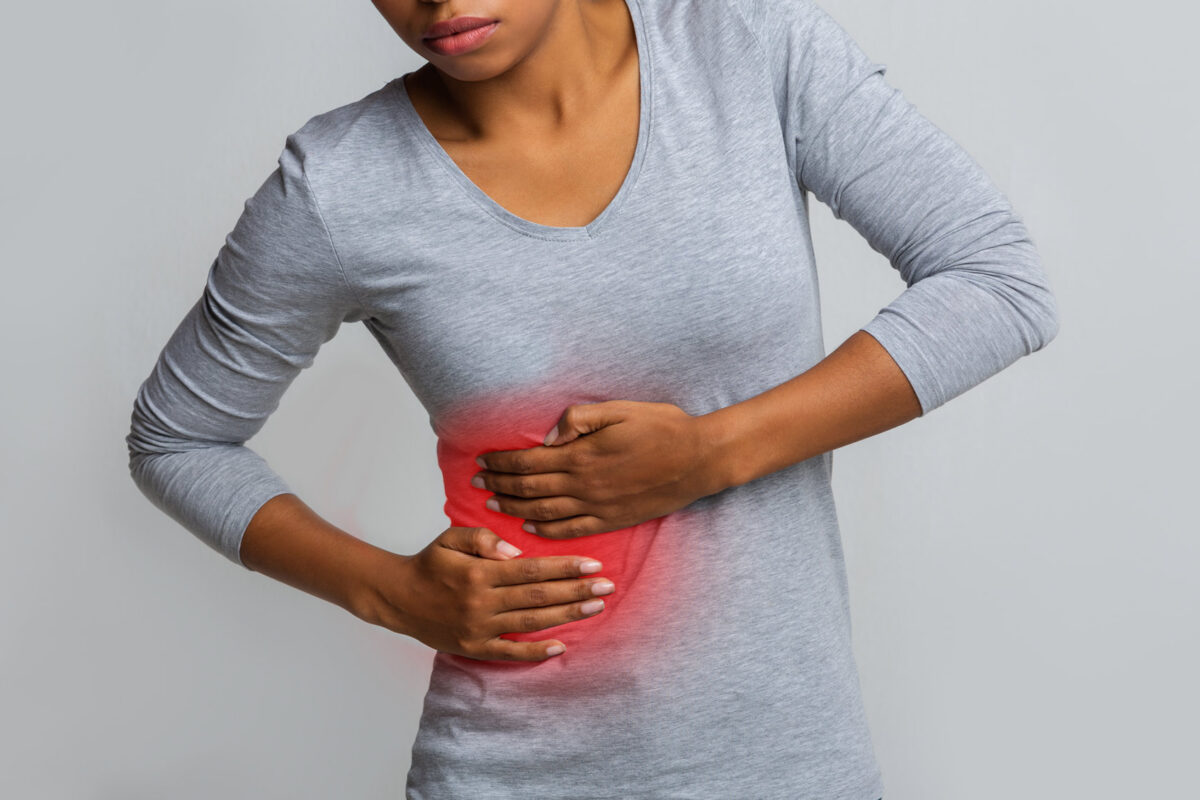
- Pain or a sore feeling under your ribs on your right side
- Small spider like veins showing on your skin above waist level (spider angiomas)
- Blotchy red palms
- Trouble sleeping
Later symptoms
Your liver has around 500 different jobs. In the later stages of liver disease it struggles to do all of these normally. This can cause lots of different symptoms. But most people only get some of these symptoms, so the mix of symptoms is different for everyone.
If you have any of these symptoms, talk to you doctor and ask for a test to check on your liver. This will usually be a simple blood test to start with.
Head
- Regular nose bleeds or bleeding gums
- Forgetfulness, confusion or memory loss
- Feeling like it is hard to stay awake
- Small changes in personality
- Feeling very tired all the time even if you have rested or slept
Arms, shoulders, and hands
- White nails
- The ends of your fingers becoming wider or thickened (clubbed fingers)
- Pain in your right shoulder
- Trembling hands
- Changes in how you write, with writing becoming small and spidery
- Lots of muscle cramps
Skin
- Very itchy skin
- Jaundice (a yellow colour to your eyes or skin)
- Bruising more easily
- Having trouble stopping small cuts from bleeding
Chest
- Feeling short of breath
- A very rapid heartbeat even if you are not exercising
Tummy (abdomen)
- Swelling in your tummy,
- Pain or a sore feeling under your ribs on your right side
Legs, ankles and feet
- Swelling in your legs, ankles or feet
- Staggering when walking, or falling more often
- Lots of muscle cramps
Genitals
- If you usually have periods they might stop or become irregular
- If you are a man, you might develop enlarged breasts or your testicles may shrink
- Loss of interest in sex
- For men erectile dysfunction and ejaculation problems
- For women a lack of arousal or climax
Toilet
- Dark coloured urine even if you are drinking enough
- Pale putty coloured poo
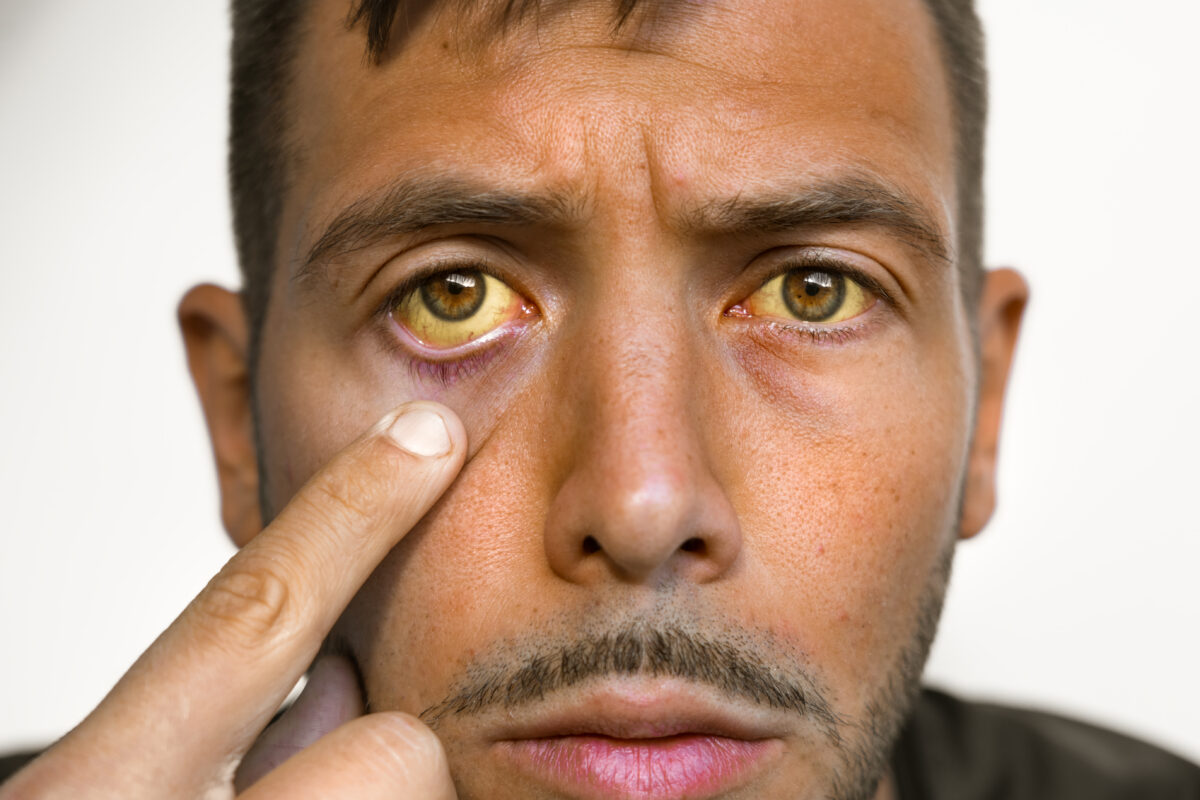
What does jaundice look like?
Jaundice is usually described as a yellow colour to your eyes and skin.
It is often easier to see in your eyes and can be harder to spot on black and brown skin.
Identifying liver disease in newborn babies
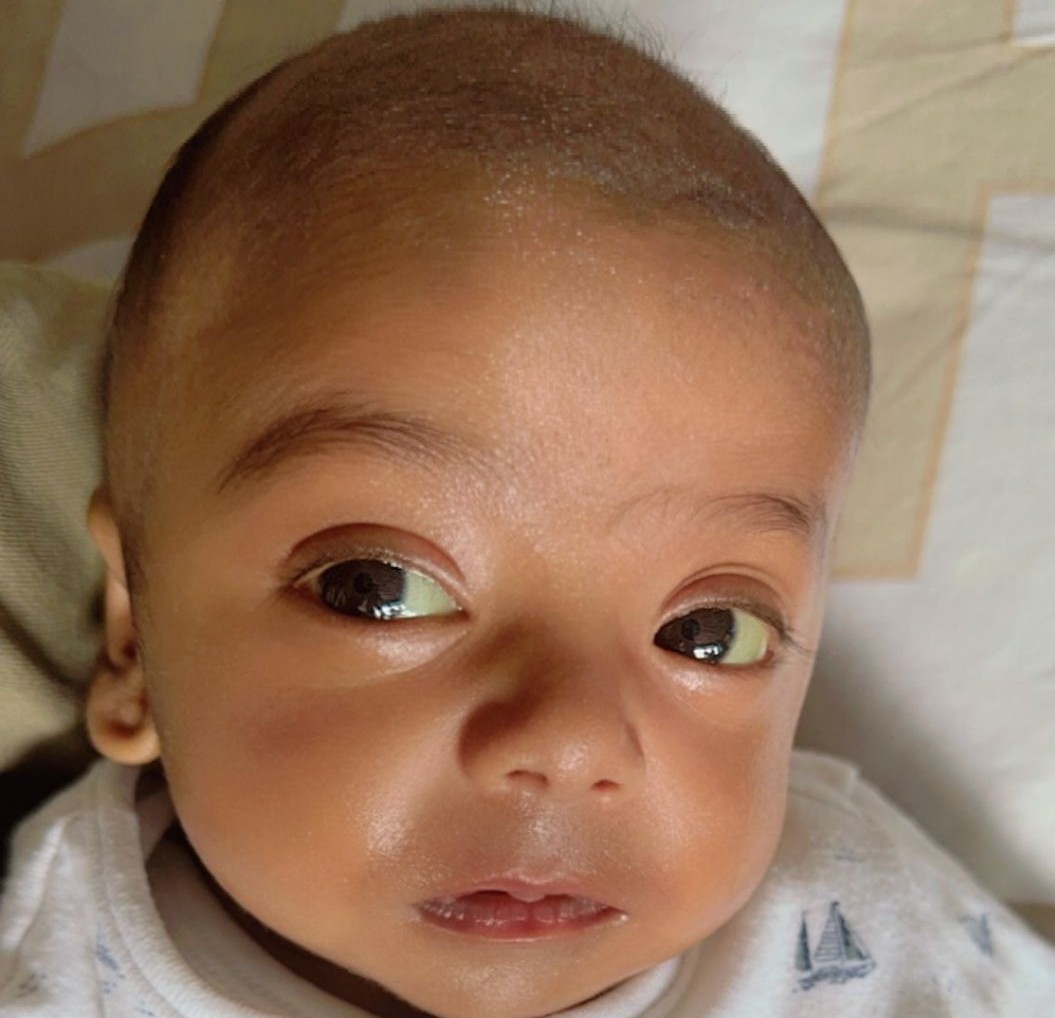
Some babies are born with a liver condition, identifying this as early as possible is really important.
Our Yellow Alert campaign raises awareness of the early identification of liver disease in infants, focusing on baby jaundice as a key symptom.
Are you at risk of liver disease?
Liver health at-risk checker
Discovering if you are at risk at an early stage means that you can be effectively treated and change your lifestyle before serious problems occur. It also means that you can ask your GP for further tests if needed.
Finding out your risk of liver disease only takes a few minutes and it could be the most important thing you do today.

Patient stories
Make a donation
Support us to transform lives
Your donation helps us support people of all ages affected by any type of liver condition, provide trusted information and campaign for better prevention, diagnosis, treatment and care. Together, we can transform lives.

More from Liver UK

Check your risk
Find out more
Support us
Find out more
Keep up to date
Find out more