
Check your risk
Find out if you’re at risk of liver disease using our simple at-risk checker for adults.
Find out more

Patient stories
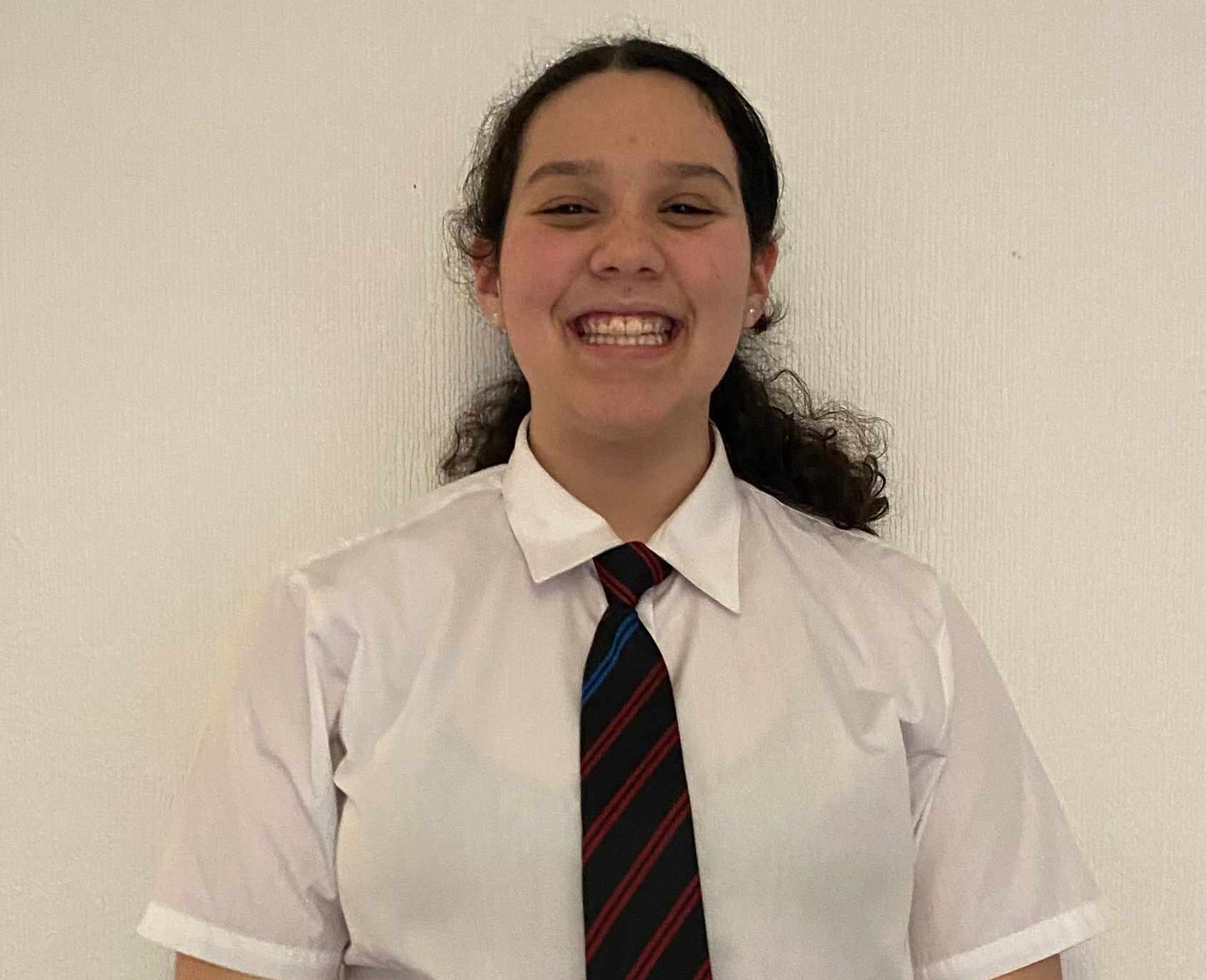
Earlier this year we heard from 14 year old Mirri about how she was coping with being diagnosed with autoimmune hepatitis eight months previously. In this month’s blog she tells us more about the impact on her school life.
Pre-diagnosis I enjoyed school. I still do. However now I feel more behind than my classmates and often feel like I am missing out.
With my condition my energy is very limited so daily tasks take more effort than they would for “normal” people. School is one of the things that takes a lot of energy. I’m now in Year 9 – we get a lot of work and when I first got back to school post diagnosis I was barely managing two days a week. Because of my low attendance, I feel as if I am constantly catching up with my lessons and what has happened when I was not in. When I am not in school I often miss out on critical information that will help with assessments which means my grades are usually lower than pre-diagnosis. To help manage this I make sure I can get as many information sheets as I can when I am back in to fill in the gaps of information. I also understand my grades instead of being discouraged by them.
My low energy also prevents me from doing the activities I used to love such as drama, hockey and netball. Although I can still do all these activities I try to conserve my energy so I can achieve as much as possible in school. Instead of viewing these things as boundaries I try to set goals, like maybe I can do it next term or next year? I would also recommend asking if your school will let you get involved in activities by helping out so you can still have the experience without becoming exhausted. For example, I’ve been allowed to help with coaching which I really enjoyed as sport was something I’ve missed.
My friends are very understanding of my condition and still include me but sometimes it can still be very isolating. For example, if my friends are going out on a weekend, as much as I would love to go, after a week of school I am too tired to go out. Sometimes people don’t quite understand that fatigue with a chronic illness is very different to a “normal” person being tired and that we can’t just push through it without consequences. I overcome this by being in group chats with my friends which I can access anytime and sometimes I will just call them while they’re out and see what’s going on!
My tips for managing school and friendships with liver disease are:
Don’t stress – stress can make your symptoms worse and it’s not going to make school or friendships easier.
Awareness – if people are aware of your condition they will understand you’re not doing it for fun and you aren’t lying about being ill often.
Take a break– don’t overload your schedule and it’s okay if you can’t make it to things and have to cancel plans.
Push for accommodations in school – it may take a while but little things like a toilet pass and medical pass can make school feel less daunting. CLDF are a massive help with this and can provide education packs for school so they understand childhood liver diseases easier.
Please do not reproduce or republish the patient stories on this website without our express written permission. If you would like to use this content, please email us at [email protected] to discuss. You can view our full website terms and conditions here.
Make a donation
Your donation helps us support people of all ages affected by any type of liver condition, provide trusted information and campaign for better prevention, diagnosis, treatment and care. Together, we can transform lives.
Find out more
Find out more
Find out more