
Our ‘Make Early Diagnosis Routine’ campaign
Every year, thousands of people across the UK are diagnosed with liver disease too late for effective treatment or intervention. Three quarters of people with cirrhosis are diagnosed as an emergency in a hospital setting, often when significant and irreversible damage has already occurred. Yet liver disease is one of the few major causes of death that continues to rise, despite the fact that most liver disease is preventable and early diagnosis can dramatically improve outcomes.
One of the biggest challenges is that liver disease often has no symptoms in its early stages. People can be living with significant liver damage without knowing it. That is why it is vital that we find and test those people who are at risk before they become seriously ill. When liver disease is identified early, there is often an opportunity to halt disease progression and, in some cases, reverse the damage.
Why we’re campaigning
We know who is most at risk of liver disease. Risk factors such as obesity, type 2 diabetes and harmful alcohol use are well established. We also know that effective pathways can identify people at risk, assess them for liver damage and ensure that those who need specialist care receive it at the earliest possible stage.
However, our research has repeatedly shown unacceptable variation in access to these services across the UK. In our original UK-wide survey, published in 2021, we found that only 26% of areas had comprehensive pathways for liver disease management and more than half had no pathway in place at all. Access to vital fibrosis testing also varied significantly across the country.
Our follow-up research, published in 2025, showed some important improvements but also highlighted that many people still face a postcode lottery when it comes to the early detection of liver disease. Comprehensive pathways increased from 26% to 36% of areas surveyed, but more than a third of areas still had no pathway in place. England continues to lag behind other nations, with 80% of Integrated Care Board areas lacking an effective pathway for the early detection and management of liver disease.
Tracking progress across the UK
However – the map makes it clear that too many people are still missing out on the care and support they need.
Key:
Green – Full pathway in place
Yellow – Partial pathway or pathway in development
Amber – Pathway available but not consistent across the area
Red – No comissioned pathway
Black – Did not respond

What we’ve achieved together
Our supporters have been at the heart of this campaign from the beginning.
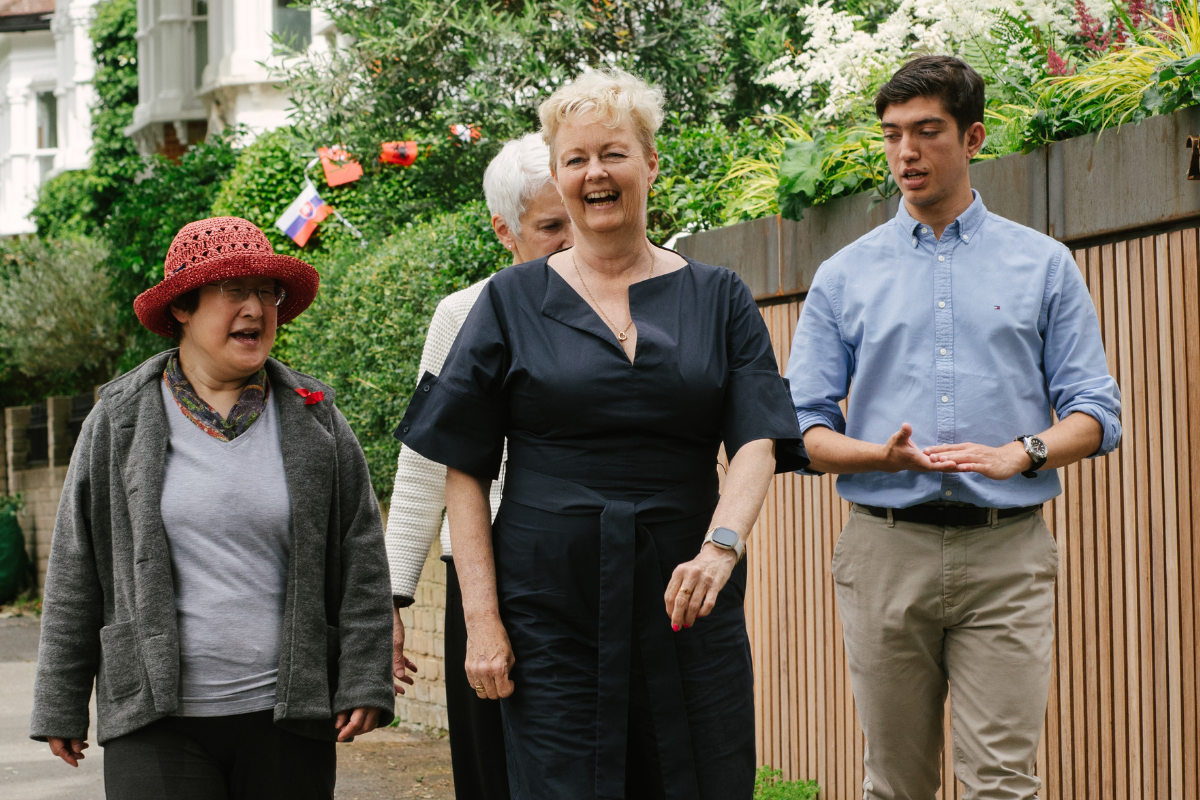
More than 700 supporters have written to their MPs calling for action to improve the early detection of liver disease. Together, we have helped raise awareness of the urgent need for change among political leaders and decision-makers across the UK.
We have held hundreds of meetings with MPs, peers, Ministers, Integrated Care Boards, NHS England and health bodies across the devolved nations. We have shared evidence, highlighted inequalities and championed solutions that can save lives.
We have also taken our campaign directly to Parliament and the devolved legislatures. We have hosted debates, parliamentary events and awareness activities to ensure that policymakers understand the scale of the challenge and the opportunities for improvement.
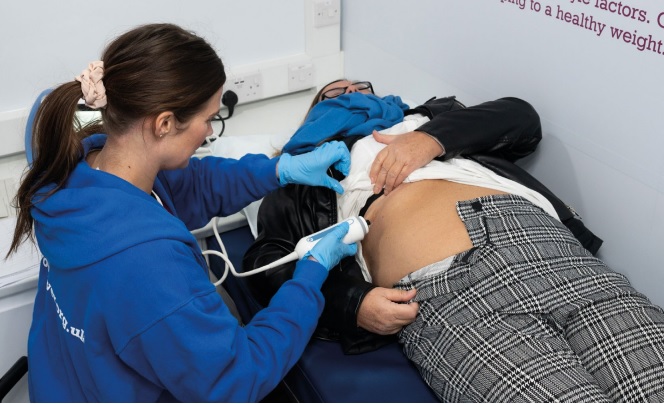
One of the most powerful ways we have demonstrated the importance of early diagnosis has been through offering liver scans to elected representatives. By experiencing a scan first hand, MPs and parliamentarians can see just how quick, simple and effective these assessments can be, helping them understand why wider access is so important for people at risk of liver disease.
What we’re calling for
We believe that everyone at risk of liver disease should have access to an effective pathway that enables early detection and intervention.
This means every part of the UK should have:
- A clear pathway for the early detection and management of liver disease.
- Systems to identify and find people who are at increased risk.
- Appropriate fibrosis assessment for those who need it.
- Timely access to specialist advice and care.
- Ongoing monitoring and support to prevent disease progression.
- Local and national leadership to drive improvement and reduce inequalities.
We won’t stop until we make early diagnosis routine
Our campaign has already helped drive progress, but there is still much more to do.
Too many people continue to be diagnosed only when they become seriously ill. Too many families are still facing the devastating consequences of a late diagnosis. Too many areas still lack the pathways that we know can save lives.
We will continue working with supporters, healthcare professionals, policymakers and health systems across the UK to make early diagnosis routine.
And we won’t stop until there is an effective pathway for the early detection of liver disease in every part of the UK.
More from Liver UK

Check your risk
Find out more
Support us
Find out more
Keep up to date
Find out more