
How might acute fatty liver of pregnancy affect mother and baby?
Treatment has improved over recent years. Most women and babies recover from acute fatty liver of pregnancy. However it is still a serious condition.
The information on this page is for:
- Adults with acute fatty liver of pregnancy or suspected acute fatty liver of pregnancy.
- Family, friends, carers, and healthcare professionals.
This page has information on the chances of serious illness and death. Some people find it helpful to know – some do not. We have designed the page so you need to click to see information that might be upsetting. Have a think about what you are comfortable with knowing.
It’s important to remember that this information is based on looking at lots of people who had acute fatty liver of pregnancy in the past. This means it cannot tell you what the chances are for you and your baby individually. It’s an average. And treatments are improving all the time, so the chances of a recovery are likely to be higher now than they used to be.
The best person to speak to is your doctor. They will know the details of your case and can talk to you about what might happen and what they are doing to treat you.
Whether you or a loved one have acute fatty liver of pregnancy it’s a good idea to talk to someone about how you are feeling. This could be a family member or close friend. Nurses at the hospital can also be a big help. And you can also talk to us. We’re here for everyone with liver disease and their loved ones. Call our nurse helpline on 0800 652 7330 or find out about all our support services at the end of this page.
On this page:
What are the complications for the mother?
Acute fatty liver of pregnancy causes liver damage. This is usually serious and happens very suddenly. This can lead to several problems. This is why most women with acute fatty liver of pregnancy are admitted to intensive care, where they can be treated by specialist doctors and nurses.
- 8 in 10 women have kidney failure.
- About half of women have at least one of the following:
- Severe bleeding (haemorrhage) due to their blood not clotting properly
- Fluid build-up on their belly (ascites)
- Liver failure
- 2 in 10 women have effects on their brain due to liver damage (hepatic encephalopathy)
- 1 in 6 women have problems with their pancreas (pancreatitis)
- Less than 1 in 20 women have both kidney and liver failure (hepatorenal syndrome)
- Less than 1 in 20 women have multiorgan failure
What is the chance of the mother dying from acute fatty liver of pregnancy?
This data is from different countries over the last 20 years. Medical care and treatment has improved a lot over this time, so the chances of recovery now are likely to be higher. It is an average, so it can’t tell you the chance of you or your loved one dying.
Out of 100 women with acute fatty liver of pregnancy, between 2 and 18 might die.
Out of every 100,000 pregnancies in the UK, around 14 women will die from complications linked to their pregnancy.
What are the complications for the pregnancy?
Because the mother is so poorly, acute fatty liver of pregnancy can cause problems with her pregnancy.
- Half of women have serious bleeding (haemorrhage) after giving birth.
- Between a quarter and a half of women get high blood pressure or preeclampsia.
- 4 in 10 women have meconium-stained amniotic fluid, which means the baby has done their first poo in the womb. This adds to the baby’s stress and can lead to breathing problems.
- 1 in 8 women have the placenta come away from the wall of their womb (placental abruption).
What are the complications for the baby?
About half of women have a preterm delivery – this means having their baby before 37 weeks. Acute fatty liver of pregnancy is usually diagnosed in the third trimester, around 35 weeks. This is a moderate to late preterm birth. Your baby is less likely to have problems than if they were born more prematurely. And any problems are likely to be less severe.
- Half of babies will have some level of distress during the birth.
- A quarter of babies will have a lack of oxygen (neonatal asphyxia or hypoxic-ischaemic encephalopathy HIE). This can lead to problems with their lungs, liver, heart, brain and kidneys. Your medical team will be able to tell you more about how your baby is affected.
- About 1 in 5 babies will need to spend time in the neonatal intensive care unit (NICU).
What is the chance of my baby dying?
This data is from different countries over the last 20 years. Medical care and treatment has improved a lot over this time, so the chances of recovery now are likely to be higher. It is an average, so it can’t tell you the chance for your baby.
Out of 100 babies whose mothers have acute fatty liver of pregnancy, between 7 and 11 might die.
If we look at all births in the UK, 3 out of every 1,000 newborn babies die.
Does acute fatty liver of pregnancy have lasting effects?
Most mothers and babies make a full recovery. You will both probably need to stay in hospital for a while. But once you have had your baby, your liver begins to repair and heal quickly. Most women have improvements in their condition in a few days. Though it will take longer than this for a full recovery, your body has been through a lot.
If you have had a transplant, recovery will take longer. And you will need to take medicines for the rest of your life. Read more about life after liver transplant.
As well as recovering from a serious illness, you will also have a new baby. This is the time to ask friends, family and professionals for help. People are usually keen to help, so let them.
Most babies make a full recovery and have no lasting effects. Your neonatal team will talk to you about your baby’s health and anything you need to do or look out for. But in most cases, they will be fine. If you have any concerns about your baby, speak to your health visitor or GP.
Can I get pregnant again?
Women who have had acute fatty liver of pregnancy can usually have more children.
It is hard to know the chances of any future pregnancies being affected by acute fatty liver of pregnancy, as it is so rare. But it is possible.
If you want to get pregnant again, talk to your doctor. They can talk to you about the risks and also any extra checks or care you might need.
If you do try for another baby, it is likely to be extra stressful for you. Think about what support you might need for your emotional and mental health. As well as friends and family, counselling or support from a dedicated charity can help you cope with stress and anxiety.
Mental health and trauma support for you
Having acute fatty liver of pregnancy is very traumatic. Even if both you and your baby make a full recovery. There can be all sorts of things to process. From not having the birth you had planned to post-traumatic stress disorder.
Getting help to deal with all of this is a good idea. You don’t need to go through it on your own. Talking about it can help you process your feelings. Friends and family can be a great help. But you might also want to get professional help from a therapist or counsellor. You can ask for a therapist with experience in birth and pregnancy trauma.
Speak to your medical team, GP or health visitor about how they can help or any services they can refer you to locally. Some places have extra support for women who have had a traumatic delivery.
The Birth Trauma Association have lots of information and support. They provide support over phone or email from other people who have been through birth trauma.
Bliss offers information and support for anyone with a who was born early or is being cared for in a neonatal unit.
Tommy’s has information about pregnancy, birth and baby loss.
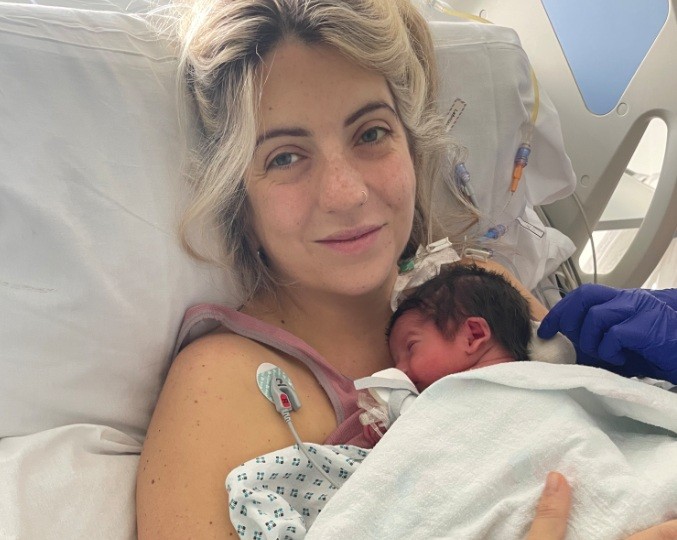
I am recovered and my baby is healthy. But things could’ve have been so much worse had I not trusted my gut on that Sunday
Support
How Liver UK can help
A diagnosis of liver disease can be worrying, and you may have a lot of questions.
We're here for you and for your family and friends. Whether you have questions or just need someone to listen, we can help.
Your feedback
This content was last reviewed: December 2025
Our expert reviewers:
We would like to thank everyone who helped with creating and reviewing this page. Including Professor John Dillon, Professor of hepatology and gastroenterology, School of medicine, University of Dundee and all our patient reviewers.
Find out how we make our patient information.
Everyone’s experience of liver disease will be different. Always talk to your specialist medical team for personal advice.
More from Liver UK

Check your risk
Find out more
Support us
Find out more
Keep up to date
Find out more