
What are the signs of biliary atresia?

Biliary atresia is a rare disease of the liver and bile ducts. It presents very early in life and requires urgent treatment.
In newborns with biliary atresia, bile ducts are missing, incomplete, blocked or damaged. This stops the flow of bile from the liver to the gallbladder and small intestine. Bile backs up and gets trapped inside the liver.
The information on this page is for:
- Parents of babies and children with biliary atresia or suspected biliary atresia.
- Young people with biliary atresia.
- Family, friends, carers, and healthcare professionals.
Babies with biliary atresia usually appear well and healthy when they are first born. They often feed well and show no sign of the condition in the first days of life. But signs usually start to appear during the first few weeks. In some babies the signs can be very clear. In others they can be much less obvious. This can make a diagnosis difficult for healthcare professionals.
The key signs of biliary atresia are:
On this page:
Prolonged jaundice
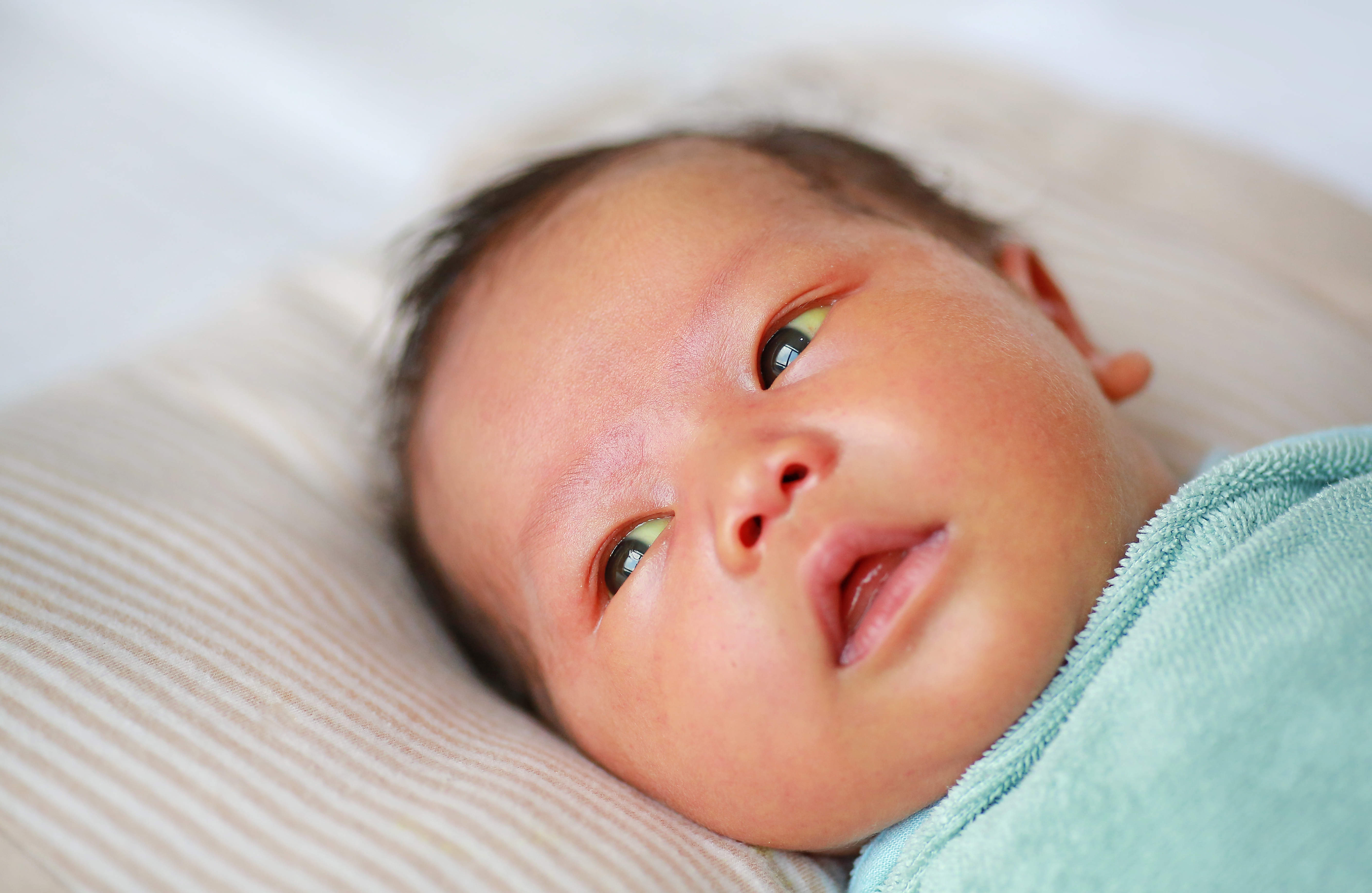
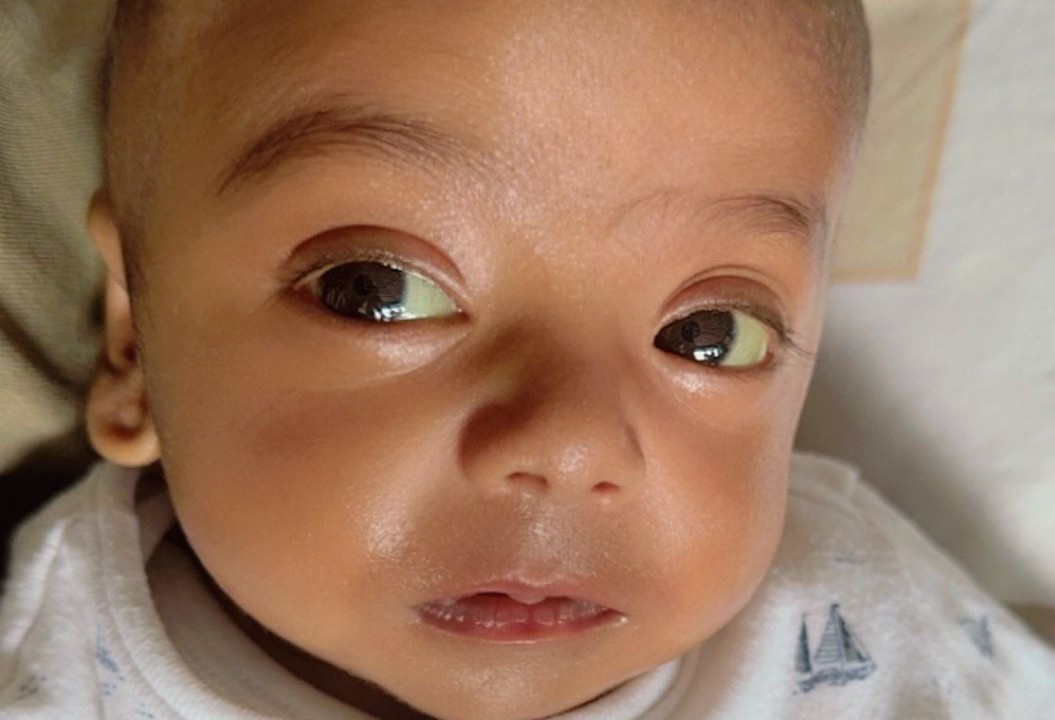
Jaundice is when the whites of the eyes and the skin turn yellow. It happens when bilirubin trapped in the liver passes back into the bloodstream. Jaundice is very common in newborn babies and usually clears within the first 2 weeks of life. But if jaundice does not go away by 2 weeks of age (3 weeks in a preterm baby), this could be a sign of biliary atresia. This is called prolonged jaundice.
Bilirubin is a natural waste product in the body. It is made when old red blood cells break down in the spleen. Bilirubin is yellow, which gives stools and blood their colour. Bilirubin travels in the blood stream.
Pale stools (poo)
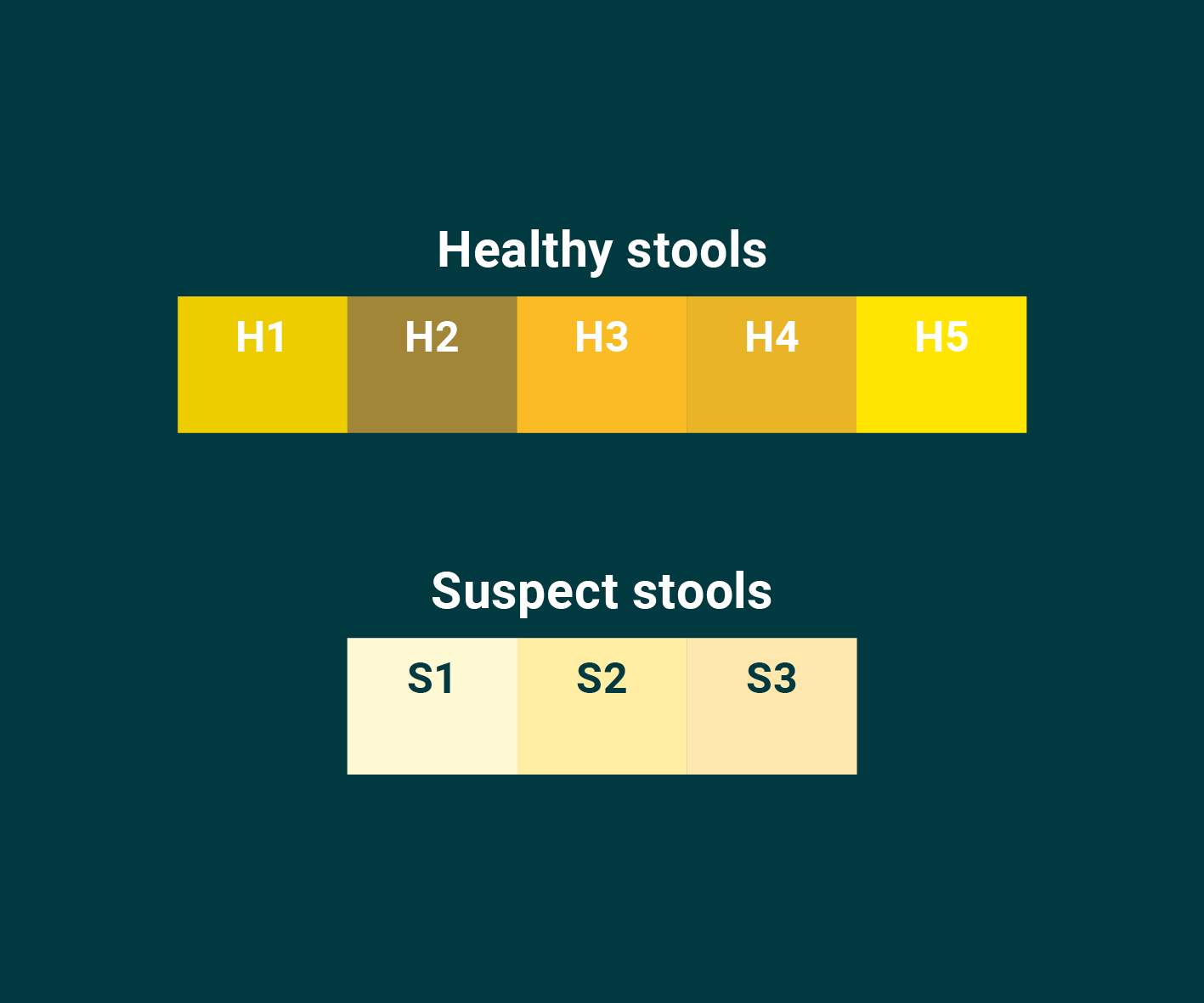
The stool of a baby should be a yellow or mustard colour. If your baby’s stool is pale, grey, white or clay in colour, this could be a sign of biliary atresia. It happens when there is no bile being emptied into the intestine. Bilirubin in bile gives normal stools their colour. If there is less bile flow, this can result in pale stools.
Dark urine
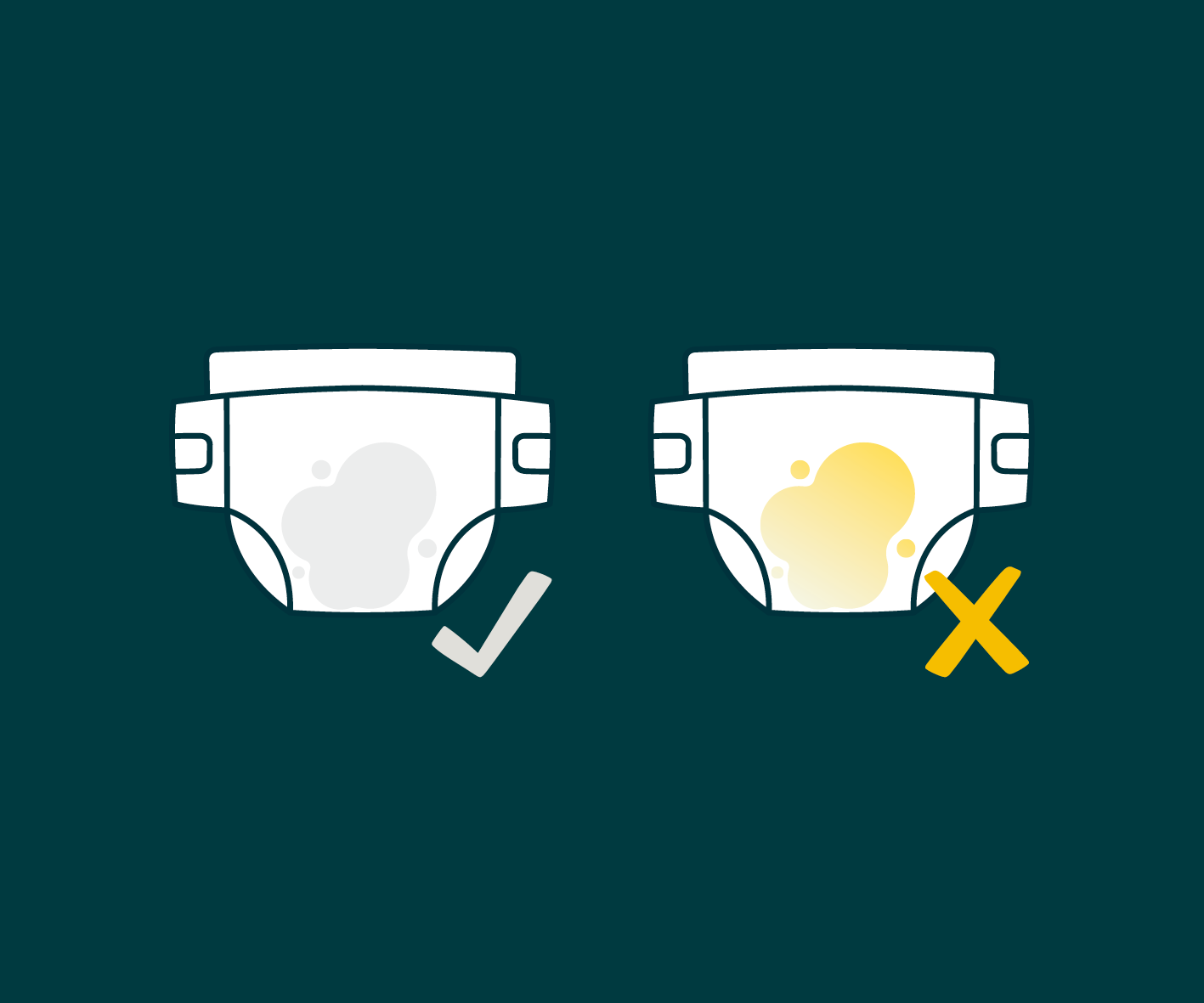
A baby’s urine should be colourless. But if your baby is jaundiced and their urine is persistently yellow or dark in colour this could be a sign of biliary atresia. This happens when a type of bilirubin called conjugated bilirubin passes out in the urine and makes it look darker than normal.
Other signs
Other signs of biliary atresia may appear in some babies and include:
- feeding more often (your baby may seem very hungry)
- poor weight gain
- enlarged liver
- enlarged spleen
- trouble with bleeding or clotting (coagulopathy) – this will be more likely in babies who have not been given the routine vitamin K injection at birth
Some signs may only appear in babies where an early diagnosis is missed and a few more weeks have passed.
Support
How Liver UK can help
A diagnosis of liver disease can be worrying, and you may have a lot of questions.
We're here for you and for your family and friends. Whether you have questions or just need someone to listen, we can help.

Your feedback
This content was last reviewed: July 2026
Our expert reviewers:
We would like to thank everyone who helped with creating and reviewing this page. Including Professor Mark Davenport, Consultant Paediatric Surgeon, King’s College Hospital and Professor Deirdre Kelly, Professor of Paediatric Hepatology. And all our patient reviewers.
Find out how we make our patient information.
Everyone’s experience of liver disease will be different. Always talk to your specialist medical team for personal advice.

More from Liver UK

Check your risk
Find out more

Support us
Find out more
Keep up to date
Find out more