
MASLD
(Metabolic dysfunction-associated steatotic liver disease)
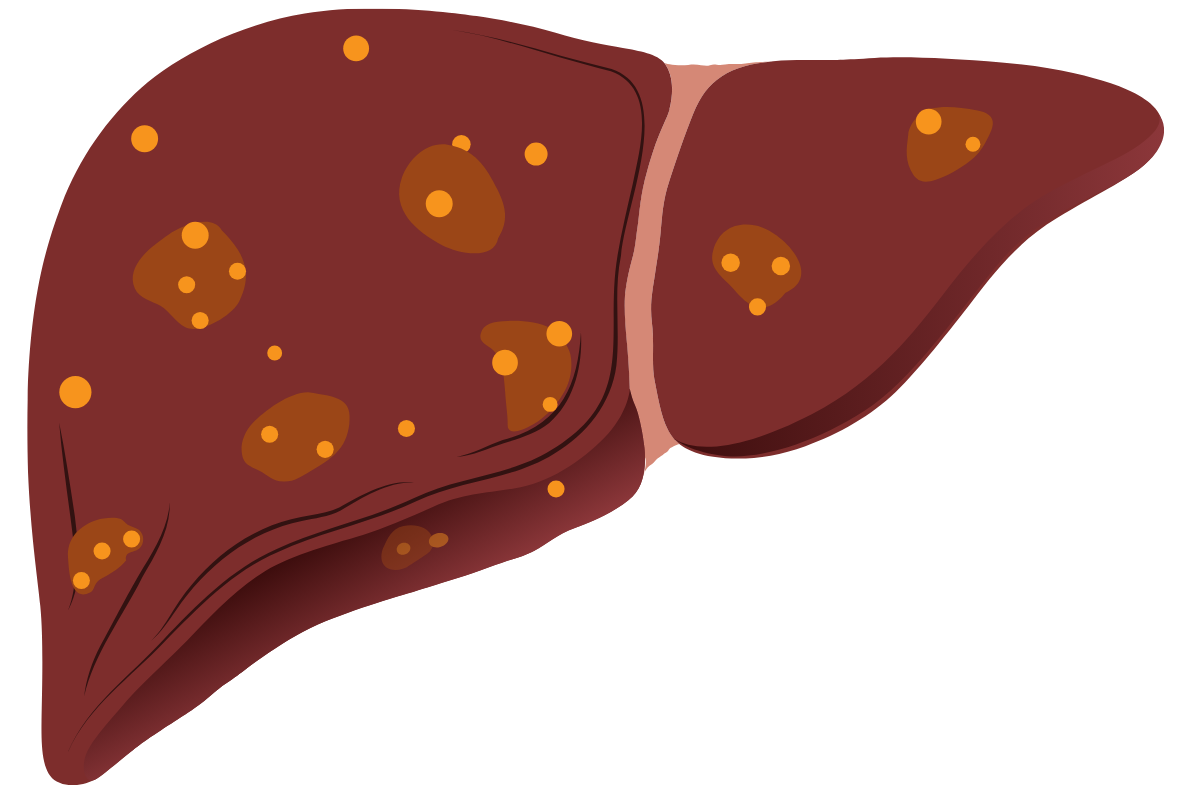
MASLD is a common condition where fat builds up in the liver. It is often linked to being overweight and conditions like type 2 diabetes and heart disease.
Also called: Non-alcohol related fatty liver disease (NAFLD)
Find out about the different names for MASLD
The information on this page is for:
- Adults or young people with MASLD or at risk of MASLD.
- Parents of children with MASLD or at risk of MASLD.
- Family, friends, carers, and healthcare professionals.
How to say it:
Metabolic = met-uh-BOL-ik
Dysfunction = dis-func-tion
Steatotic = Stee-uh-TOT-ik
People say MASLD as one word that rhymes with ‘dazzled’
Quick Summary
- MASLD happens when too much fat builds up in the liver
- It is a long-term (chronic) condition that can get worse over time
- It is very common and happens in about 1 in 4 adults in the UK
- Most people have no symptoms in the early stages
- It is often linked to being overweight and conditions like type 2 diabetes and heart disease
- Some people find out they have MASLD when they are being tested for something else
- The main treatments are healthy eating, physical activity, and keeping a healthy weight
- Medicines may be used to treat related conditions such as type 2 diabetes, obesity, high blood pressure and high cholesterol
- Treatments for MASLD are developing quickly and new medicines are becoming available
- In some people, MASLD can progress to liver scarring (fibrosis) and this can damage the liver
- In a small number of people, MASLD can lead to cirrhosis, liver failure or liver cancer
- People with more advanced scarring (fibrosis) or cirrhosis are treated by hospital specialists
Find out more about MASLD using the links below.
Find out more

Information for children and families
Information for adults
Information for adults to download

MASLD booklet
Diet and activity booklet
Healthy eating factsheet
Questions to ask your doctor
MASLD quick guide factsheet
MASLD and type 2 diabetes factsheet
Being more active factsheet
Frequently asked questions
Information for children and families

MASLD in children
Download the booklet
Useful words
Fatty liver – a liver with a build-up of fat
Fibrosis – a build-up of scar tissue
MASH (metabolic dysfunction-associated steatohepatitis) – a serious stage of fatty liver disease
MASLD (metabolic dysfunction-associated steatotic liver disease) – a liver condition caused by a build-up of fat in the liver
Metabolism – the chemical processes involved in getting and using energy from food
NAFLD (non-alcohol related fatty liver disease) – the old name for a type of liver disease now called MASLD
NASH (non-alcohol related steatohepatitis) – the old name for MASH
Support
How Liver UK can help
A diagnosis of liver disease can be worrying, and you may have a lot of questions.
We're here for you and for your family and friends. Whether you have questions or just need someone to listen, we can help.

Your feedback
This content was last reviewed: July 2026
Our expert reviewers:
We would like to thank everyone who helped with creating and reviewing this page. Including Dr Jeremy Cobbold, Consultant Hepatologist, Oxford University Hospitals, Professor Stuart McPherson, Consultant Hepatologist, Newcastle upon Tyne Hospitals and Dr Helen Jarvis, GP, Newcastle University. And all our patient reviewers.
Find out how we make our patient information.
Everyone’s experience of liver disease will be different. Always talk to your specialist medical team for personal advice.

More from Liver UK

Check your risk
Find out more

Support us
Find out more
Keep up to date
Find out more