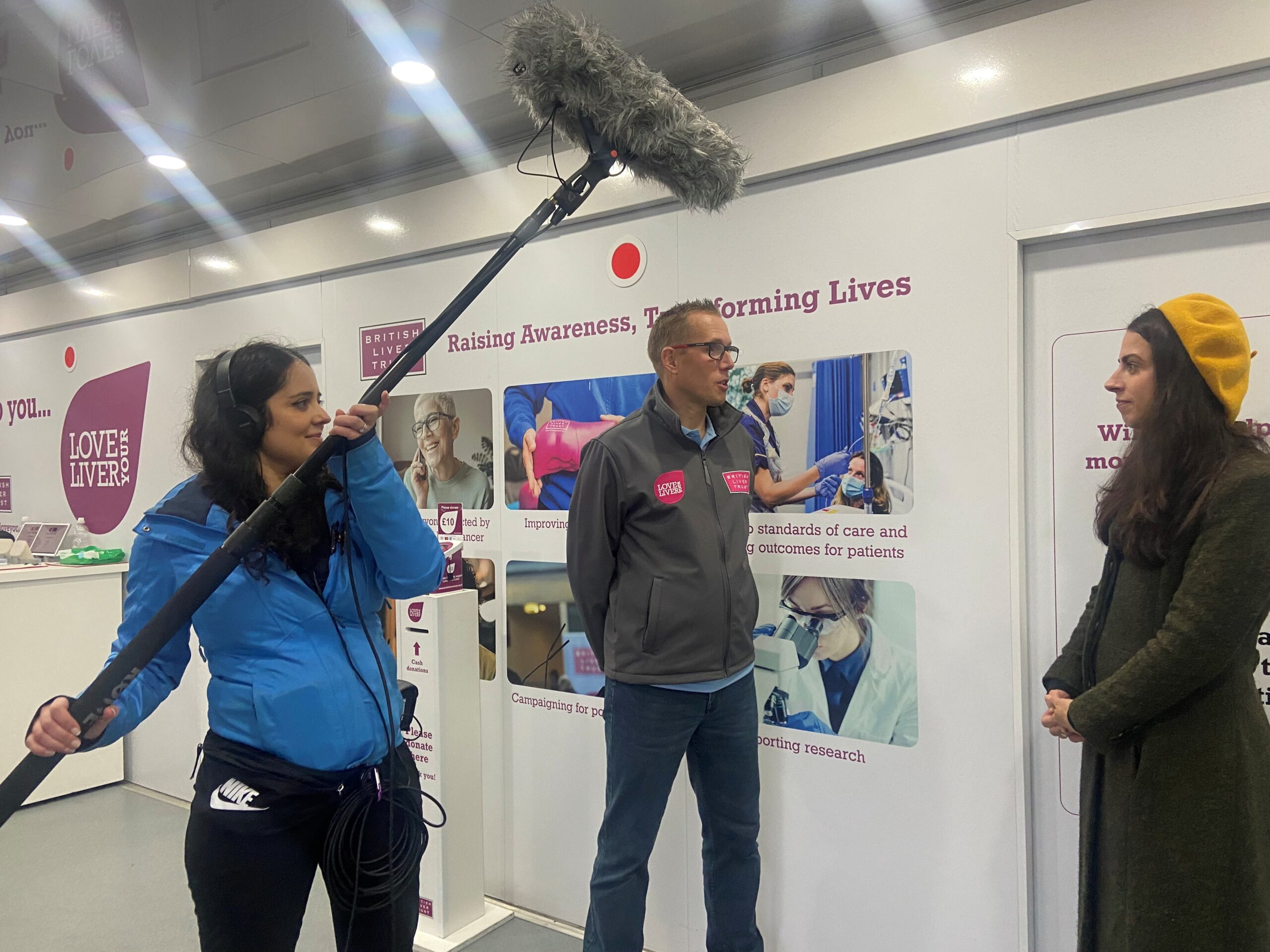
Tonight, the BBC aired a Panorama programme focusing on the rising rates of alcohol-related liver disease among women in the UK. We worked closely with the producers, Rogan Productions, to provide vital information about liver disease, alcohol misuse, and what needs to be done to tackle the issue. We also arranged for them to attend and film at one of our Love Your Liver roadshows and put them in contact with Emma, who was diagnosed aged just 37 with alcohol-related liver disease.
Alcohol-related deaths from liver disease among women under 40 have risen sharply over the last decade – but why? Thirty-two-year old BBC journalist Hazel Martin goes on a personal journey to find the answer. She is one of a growing number of young women who have experienced alcohol-related liver damage, despite not regarding herself as being dependent on alcohol. Talking to doctors, patients and experts on the drinks industry, Hazel discovers that a key cause is Britain’s binge-drinking culture and explores what can be done about it.
You can watch the episode here: BBC One – Panorama, Binge Drinking and Me
Hazel’s story
Reporter Hazel Martin embarked on a deeply personal investigation to uncover the reasons behind the surge. At 31, Hazel was living what seemed like an ordinary life—spending time with friends, socialising, and enjoying being a mum to her young daughter. Alcohol wasn’t something she depended on, but it was a big part of her social life. Then, as a new mum, Hazel started feeling unusually tired and run down, so she decided to visit her GP. Blood tests revealed something concerning: her liver function was abnormal. More tests followed, and eventually, a fibroscan delivered some shocking news—she had severe liver scarring, caused by years of binge drinking.
In some ways, Hazel felt incredibly unlucky to receive such a diagnosis at such a young age. But in other ways, she felt fortunate—it could have gone unnoticed for much longer, and had it, the damage could have worsened over time, leaving her very ill. She was told that while the damage to her liver was severe, it could be reversed, as long as she stayed alcohol-free. Almost 10 months later, Hazel was offered a second follow-up scan and the result were nothing short of remarkable. The scarring on her liver had significantly reversed and her liver is now back to full health.
Though the diagnosis was a huge shock, Hazel’s story serves as a powerful reminder that alcohol-related liver disease can develop silently, often without obvious symptoms and affecting even those who don’t drink excessively every day. Early diagnosis in crucial; in Hazel’s case it was a turning point that prompted her to make the lifestyle changes her body needed to restore her liver to full health.
Hazel’s journey highlights the importance of awareness, early diagnosis, and taking proactive steps to protect your liver. Our Love Your Liver roadshow, featured in the programme, offers free liver health screening and practical advice to help people take control of their liver health. Find out more about this below, as well as answers to some common questions about alcohol-related liver disease, its impact, and where to find help and support.
Love Your Liver roadshow
At the British Liver Trust, we are determined to reduce the number of people affected by preventable liver conditions and improve early diagnosis. If liver damage is caught at an early stage, lifestyle changes can potentially reverse existing damage.
Love Your Liver is the British Liver Trust’s flagship UK-wide campaign to raise awareness of the risk factors of liver disease and encourage people to take steps to improve their liver health.
A key part of our Love Your Liver campaign, the Love Your Liver roadshow brings our mobile scanning unit to locations across the country, offering free liver scans to help people assess their risk of liver disease.
Upcoming roadshow dates
More information about alcohol-related liver disease
There is a common myth that only ‘alcoholics’ develop alcohol-related liver disease, but even regularly drinking above the guideline amounts can put you at risk.
[sp_easyaccordion id=”65311″]