The British Liver Trust is calling for the Government to take urgent action to tackle the UK’s ‘harmful’ drinking culture, exacerbated by the pandemic, as new figures from the Office for National Statistics reveal that the number of people dying from alcohol-related liver disease reached a new high in 2021.
The findings come at a time when new figures from the Office for National Statistics reveal that the number of people dying from alcohol-related problems reached a new high in 2021 – up 27% from 2019 and 7% since 2020. 78% (7,518) of these deaths were due from alcohol-related liver disease.
Pamela Healy OBE, Chief Executive of the British Liver Trust, says, “Since the start of 2020, there has been a big shift in the UK’s drinking culture with millions of us drinking more regularly and at home – pouring much larger measures than if drinking when out. Adults who drink mainly at home report that they are aware that they run a risk of higher overall alcohol consumption but tend to play down the possibility that increased consumption may lead to longer-term harm.
“Alcohol is the leading cause of liver disease in the UK and a common myth is that it’s only ‘alcoholics’ who have liver damage. More than one in five of us are currently drinking alcohol in way that could harm their liver. If you are concerned about your drinking, try to start cutting down by having at least three alcohol-free days per week.”
Simon, in his 40s, says, “During lockdown, I started drinking more regularly so two or three days a week turned into five days a week. I ended up putting on over two stone. I’ve now made changes to improve my liver health following a warning from my doctor that if I continued this way, the damage to my liver could be irreversible.”
To tackle the harm of alcohol in the UK, the British Liver Trust is calling for the Government to urgently adopt joined-up public health measures across the UK. They are calling for more taxation, a minimum unit price, and putting in place stronger controls on the marketing and labelling of alcohol. The charity is also calling for more support for people who are drinking at harmful levels.
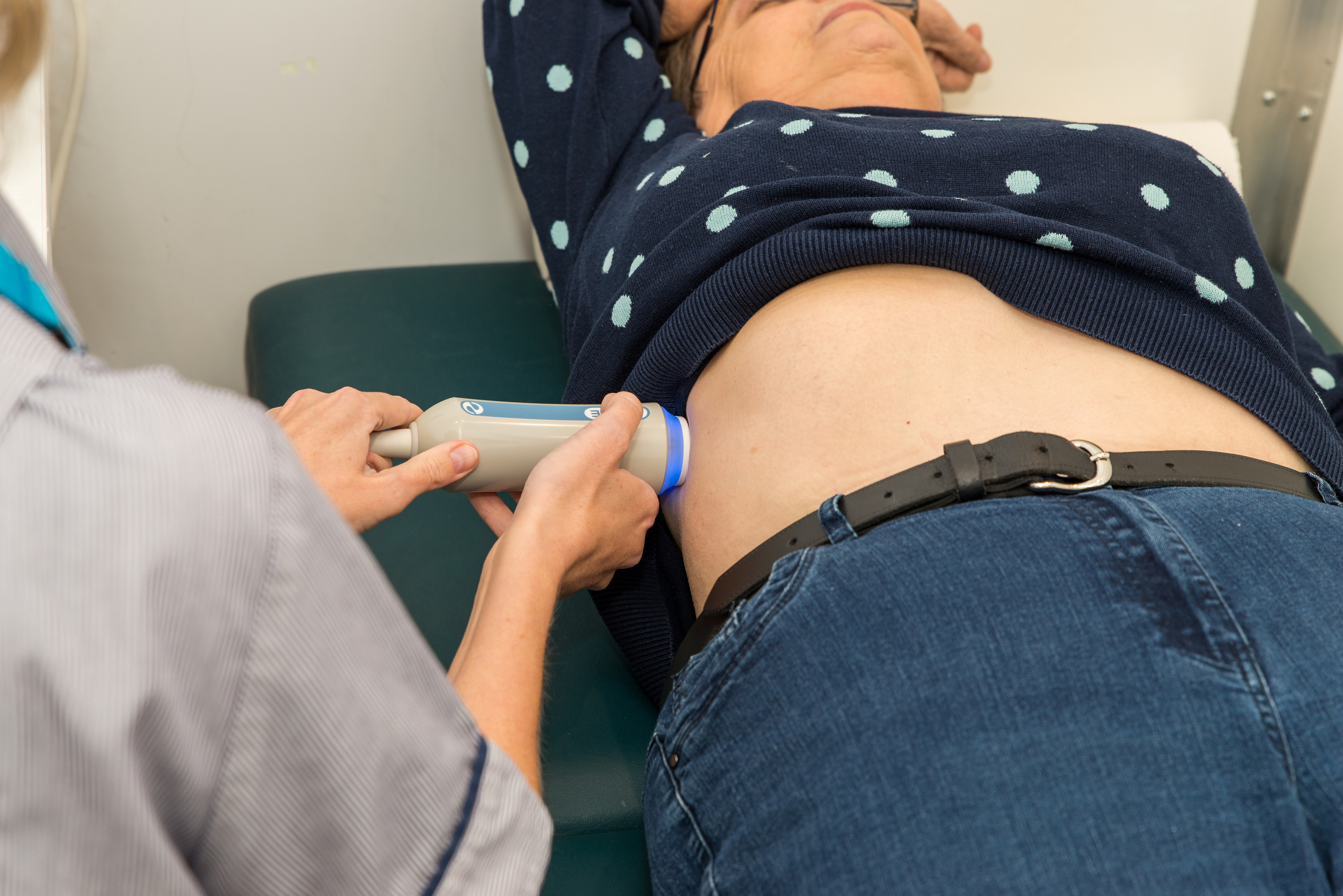
Pamela Healy continues, “Liver disease usually has no symptoms. At the moment, three out of four people with alcohol-related liver conditions are diagnosed as an emergency in a hospital setting. By this time it is usually too late – the scope for intervention is both limited and costly. One study shows that, sadly, one in four of these people are dead within 60 days of their diagnosis. Unless we urgently address this and improve prevention and early detection, the financial burden of liver disease will continue to grow at an alarming rate and the human cost and numbers of deaths will escalate.”