
Symptoms
of primary biliary cholangitis
The information on this page is for:
- Adults with primary biliary cholangitis or suspected primary biliary cholangitis.
- Family, friends, carers, and healthcare professionals.
On this page:
Early symptoms
In the early stages of primary biliary cholangitis (PBC), you may not have any symptoms at all. This is very common, as PBC is such a slowly developing condition. Sometimes it can be diagnosed when people have tests for something else.
You may feel a bit run down, or under the weather. It’s this type of vague symptom that can take people to the GP for the first time.
You may also have vague symptoms such as:
- feeling very tired
- sleeping more than usual
- having itchy skin for no apparent reason
- pain or discomfort in the tummy (abdomen)
As many as 4 out of 5 people with PBC are troubled by itching at some point. Developing itching doesn’t mean your PBC is getting worse. In fact itching sometimes gets better as the disease continues. People sometimes describe feeling an itch deep under the skin. Scratching the itch can cause surface damage to your skin. Early on, you and your doctor may think you have a skin condition causing the itch.
Some people develop yellow spots on the eyelids or around their eyes. These are harmless in themselves. They are caused by fatty cholesterol deposits under the skin. You may also have dry eyes and a dry mouth.
Symptoms of more advanced PBC
PBC is a condition that gets worse over time in some patients. Often this is a very slow process and you may never have any symptoms of advanced disease. But it can vary in how quickly it develops. Some people will eventually develop other symptoms of liver disease. These are similar to symptoms of cirrhosis of the liver and can include:
- weight loss
- muscle wasting
- skin thinning
- feeling of fullness or abdominal discomfort from an enlarged liver or spleen
- yellowing of the skin or whites of the eyes (jaundice)
- a swollen abdomen caused by fluid collecting
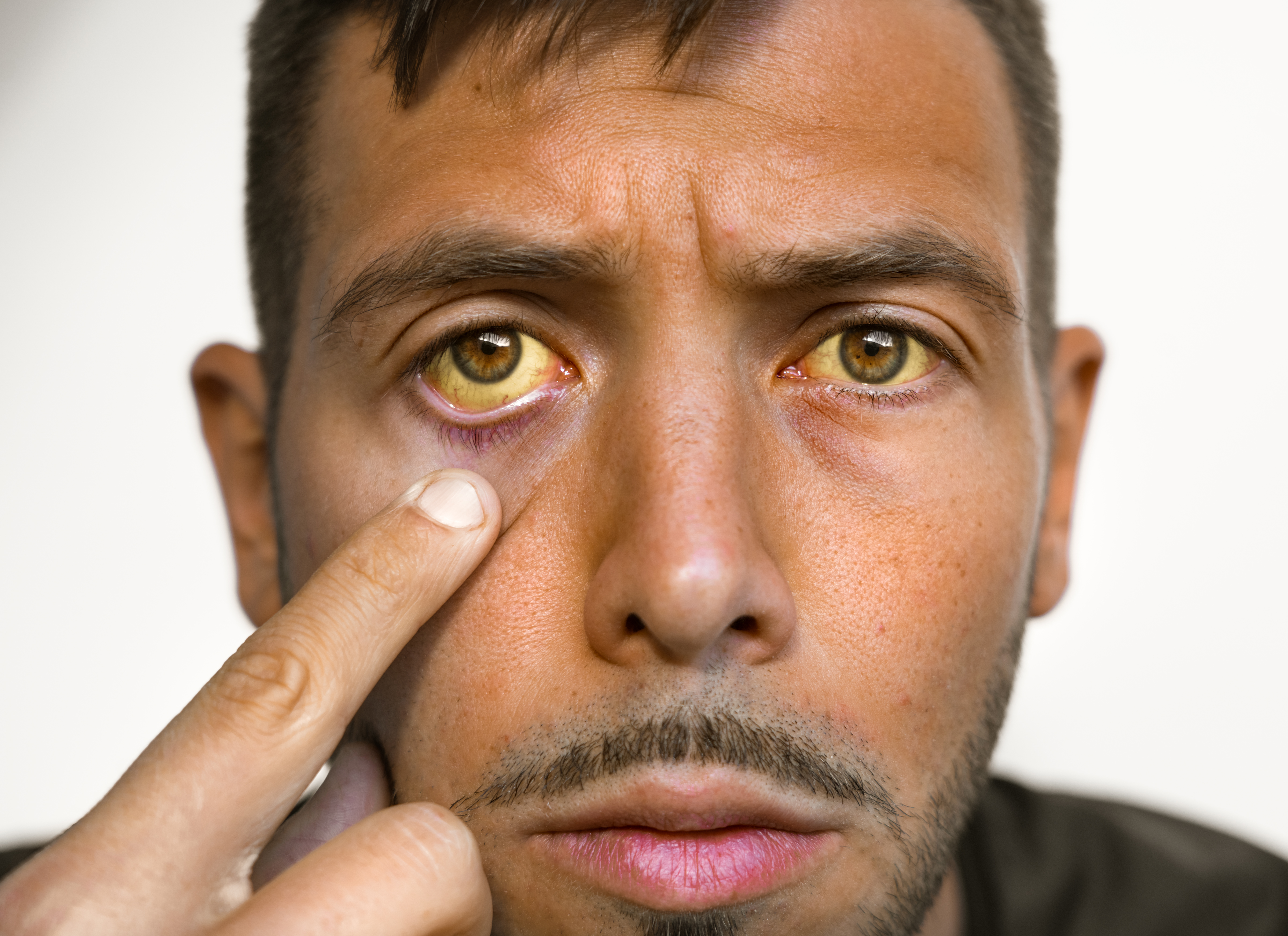
Your doctor will be able to talk through your risk of advanced liver disease in PBC. They will also suggest options for treatment to slow or prevent this.
Other conditions can be linked to PBC and these can result in other symptoms. There is more about this in the page on complications and related conditions.
Support
How Liver UK can help
A diagnosis of liver disease can be worrying, and you may have a lot of questions.
We're here for you and for your family and friends. Whether you have questions or just need someone to listen, we can help.

Your feedback
This content was last reviewed: October 2024
Our expert reviewers:
We would like to thank everyone who helped with creating and reviewing this page. Including Dr Neil Halliday, Royal Free Hospital, London and Janeane Hails, Addenbrooke’s Hospital, Cambridge. And all our patient reviewers.
Find out how we make our patient information.
Everyone’s experience of liver disease will be different. Always talk to your specialist medical team for personal advice.
More from Liver UK

Check your risk
Find out more

Support us
Find out more
Keep up to date
Find out more