
What causes
alpha-1 antitrypsin deficiency?
A1ATD is an inherited condition that can affect the liver and lungs. It is caused by a problem with the gene that makes a protein called alpha-1 antitrypsin.
The information on this page is for:
- Adults and children with A1ATD. or suspected A1ATD.
- Family, friends, carers, and healthcare professionals.
On this page:
What is alpha-1 antitrypsin?
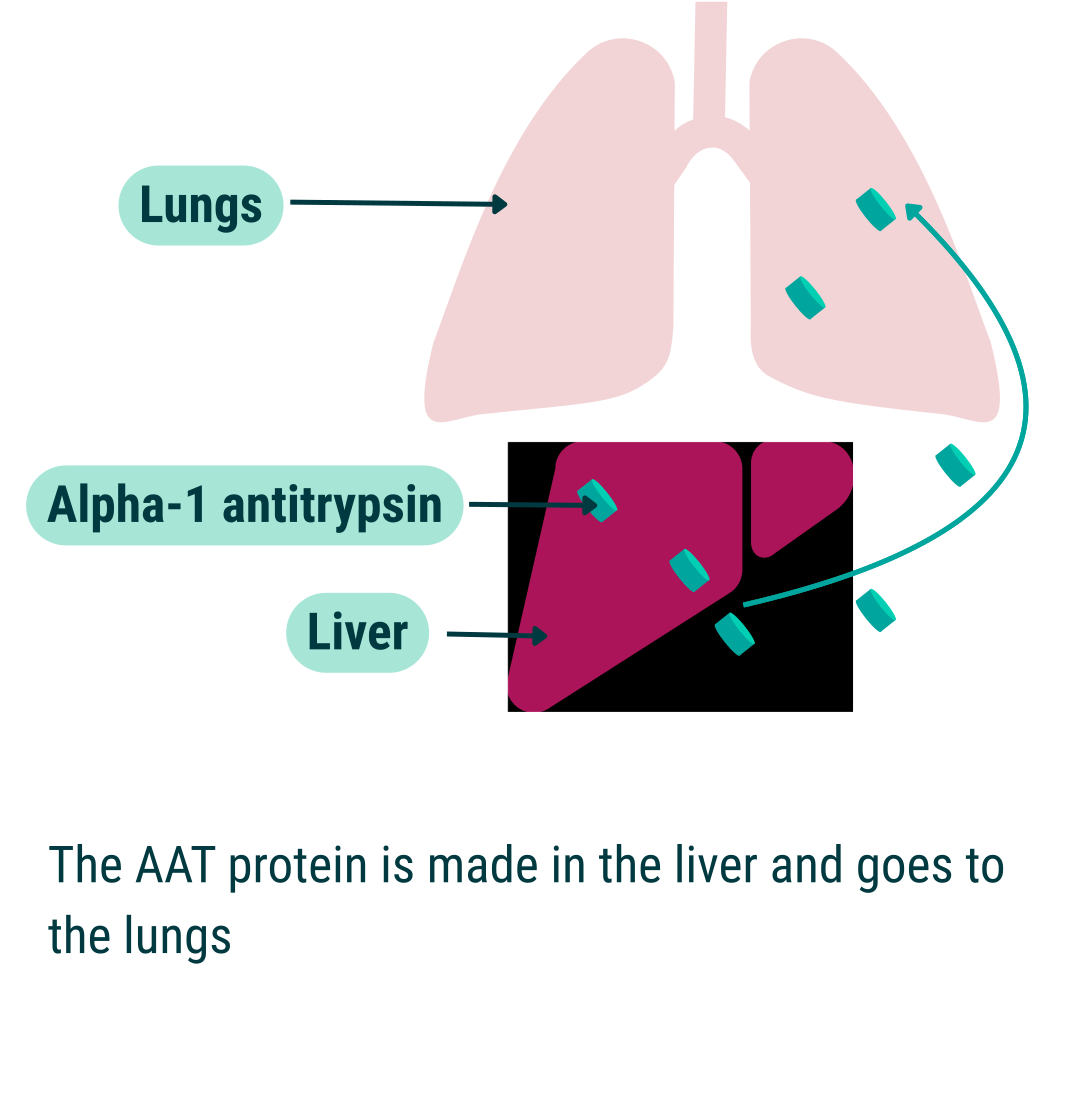
Alpha-1 antitrypsin (AAT) is a type of protein called a protease inhibitor. It is mostly made in the liver. After it is made it comes out of the liver and travels to where it is needed. Such as the lungs.
What does the alpha-1 antitrypsin protein do?
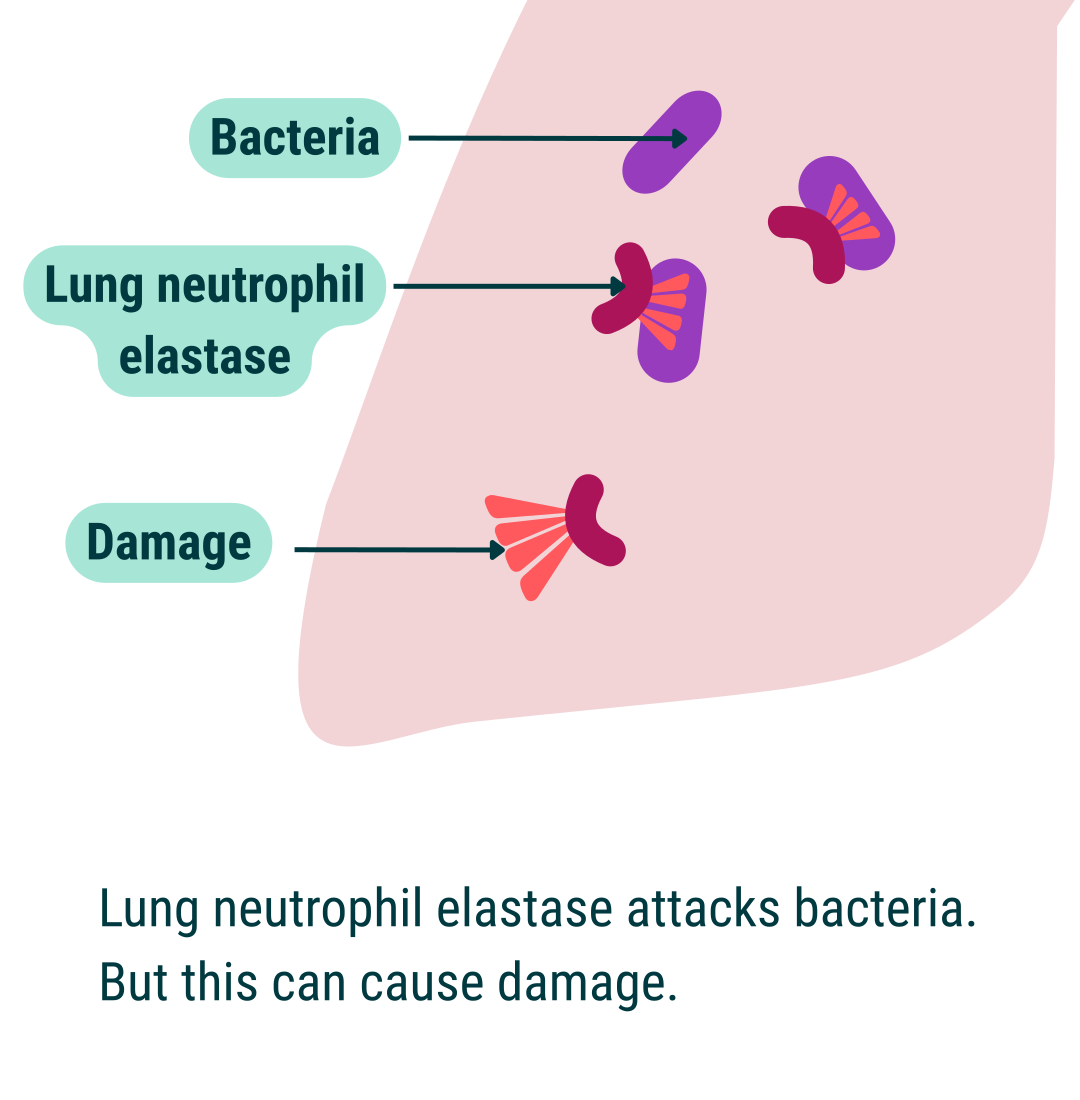
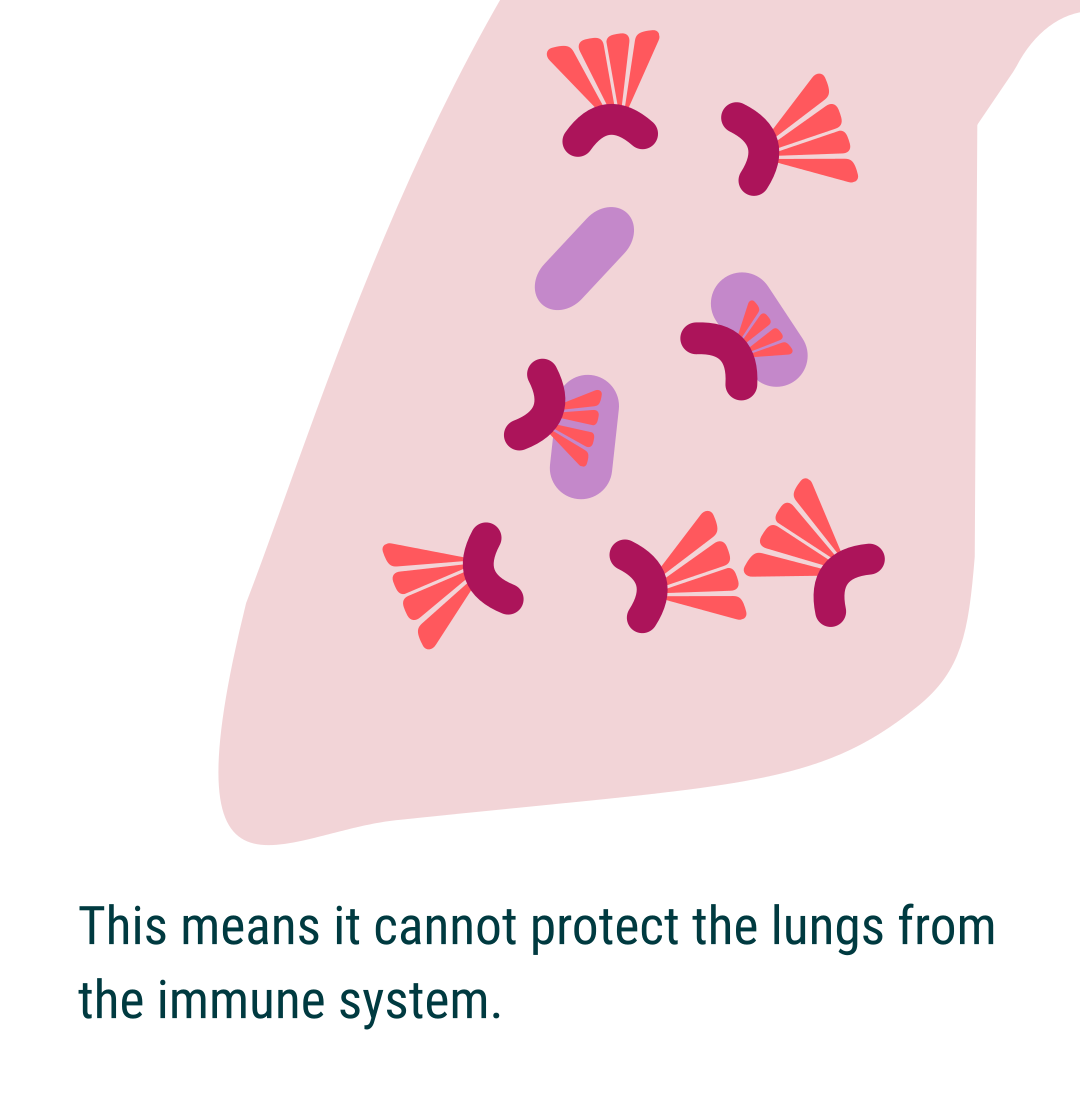
The lungs are often attacked by things like bacteria. They use a protein called lung neutrophil elastase to help get rid of these bacteria. This is a type of protein called an enzyme.
But this enzyme does not only attack bacteria. If it is not controlled it can also damage the lungs themselves.
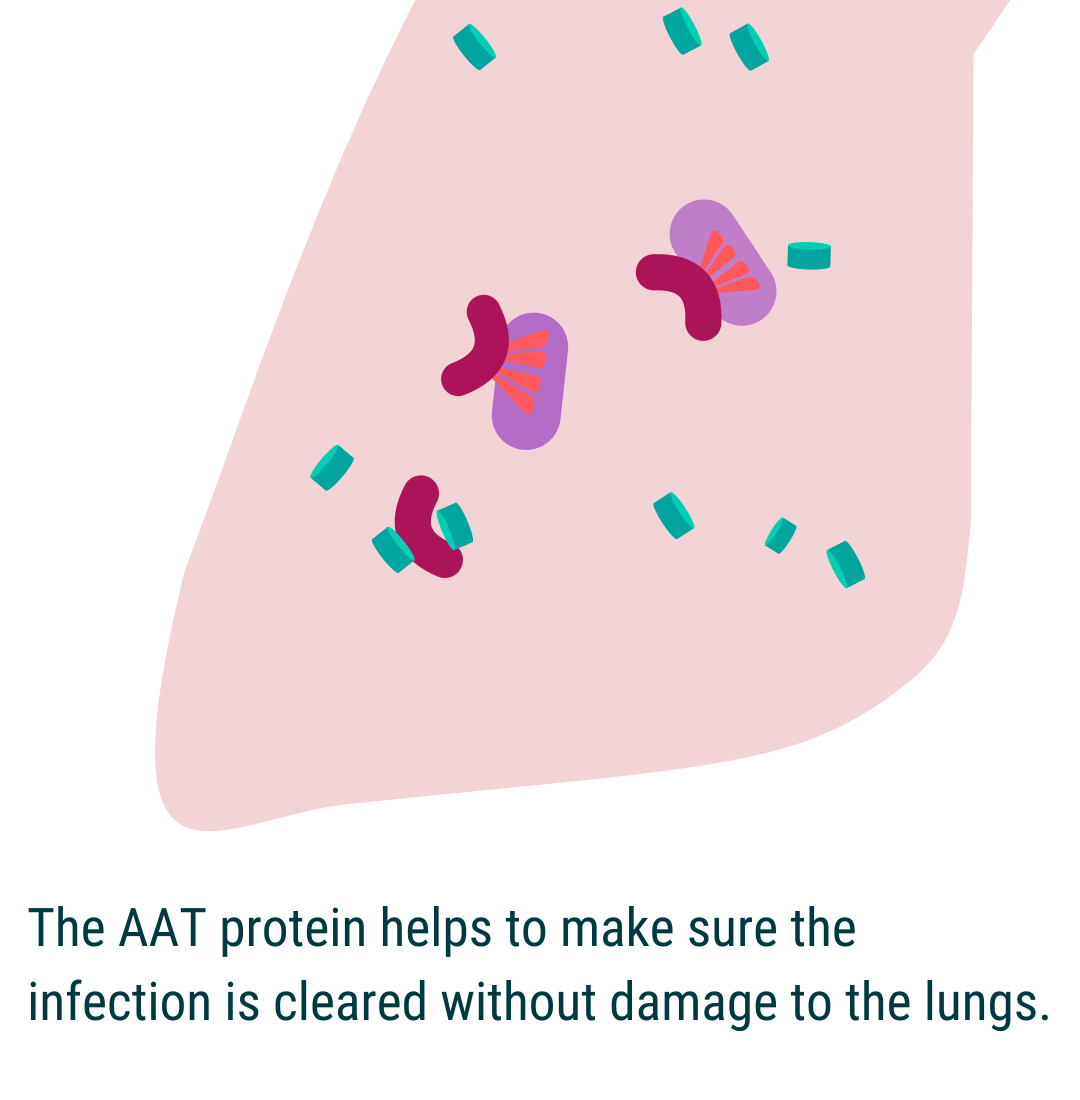
The AAT protein helps to control lung neutrophil elastase, so it doesn’t harm the lungs.
What happens in alpha-1 antitrypsin deficiency?
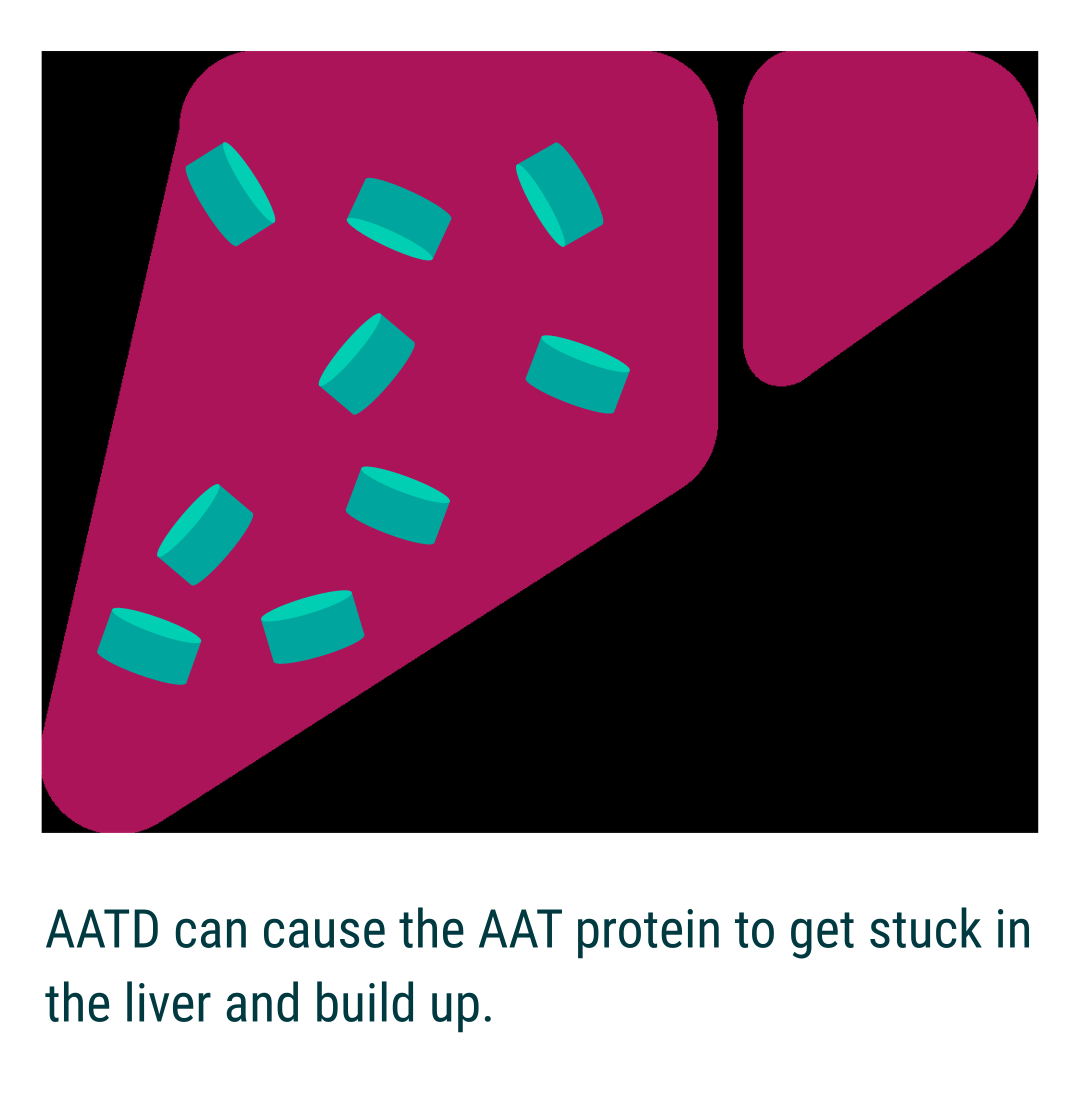
The instructions for making the AAT protein are in a gene. If someone has A1ATD there is a mistake in this gene. This means the protein is not made normally. It is the wrong shape and cannot get out of the liver. In very rare types of the condition the protein is not made at all.
Why does this matter?
Liver
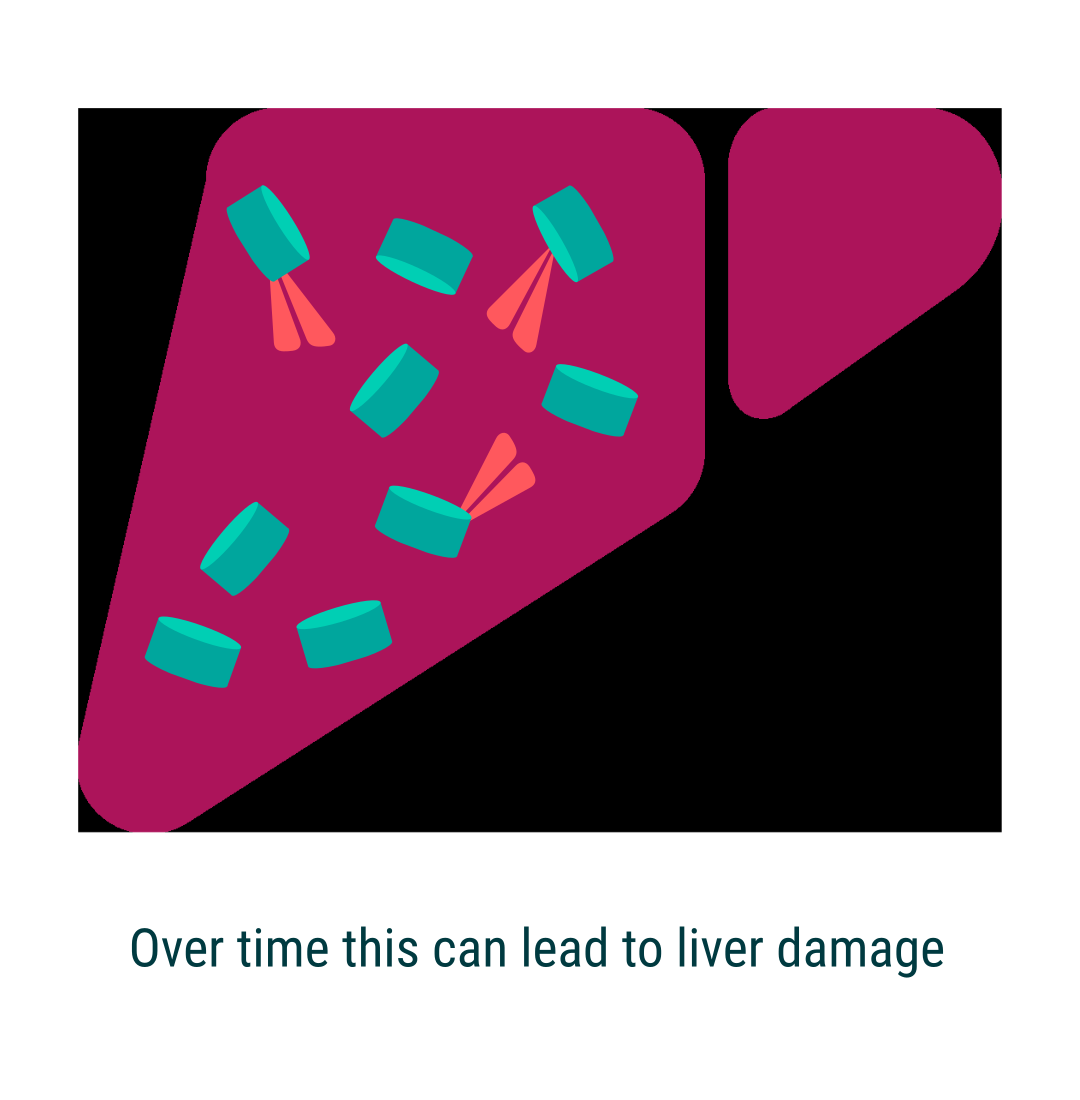
If the AAT protein gets stuck in the liver, then it starts to build up. This can cause inflammation.
You might hear this called “hepatitis”. Hepatitis is the medical word for inflammation in the liver.
Over time the damage might get worse. This can lead to scarring of the liver “fibrosis” or even serious liver damage “cirrhosis”.
Lungs
If the AAT is stuck in the liver it cannot get to the lungs.
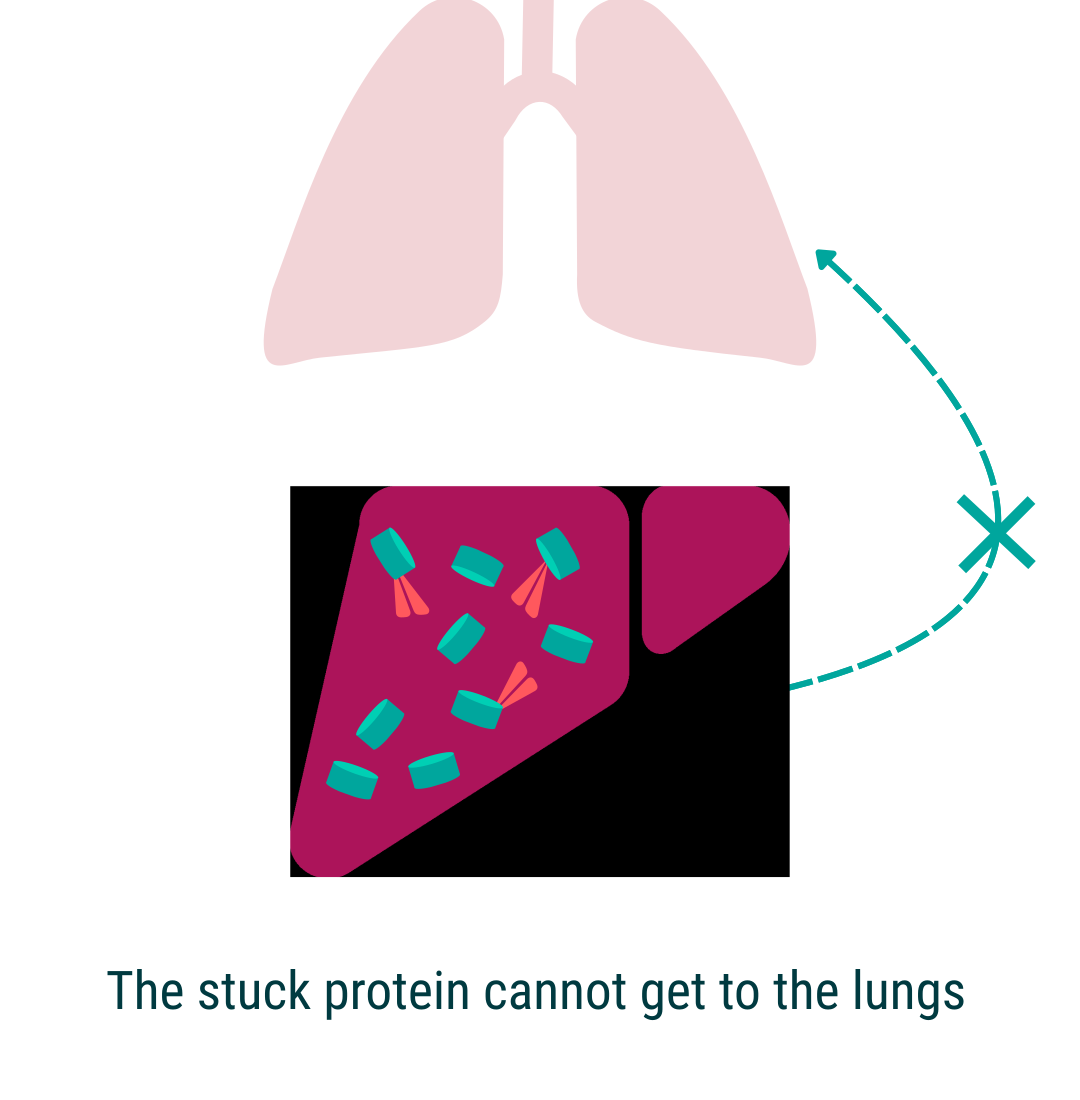
This means lung neutrophil elastase can damage the lungs. Eventually this can lead to lung conditions. Like emphysema and chronic obstructive pulmonary disease (COPD).
How do genes cause alpha-1 antitrypsin deficiency?
Genes are the instructions that our bodies use to make proteins. We all have 2 copies of every gene. We get one from our mother and one from our father.
A1ATD is caused by a mistake in a gene called SERPINA1 or the AAT gene. This is the gene with the instructions for making the AAT protein.
We know about hundreds of different mistakes in this gene and most of them are not a problem. But sometimes a mistake means that the AAT protein is not made properly.
Different mistakes in the gene can cause different problems. The version of the gene that is most likely to cause serious liver problems is called the “Z allele”. People who inherit 2 copies of the Z version of the gene are most at risk of severe liver damage.
The combination of genes that someone has is called their “genotype”.
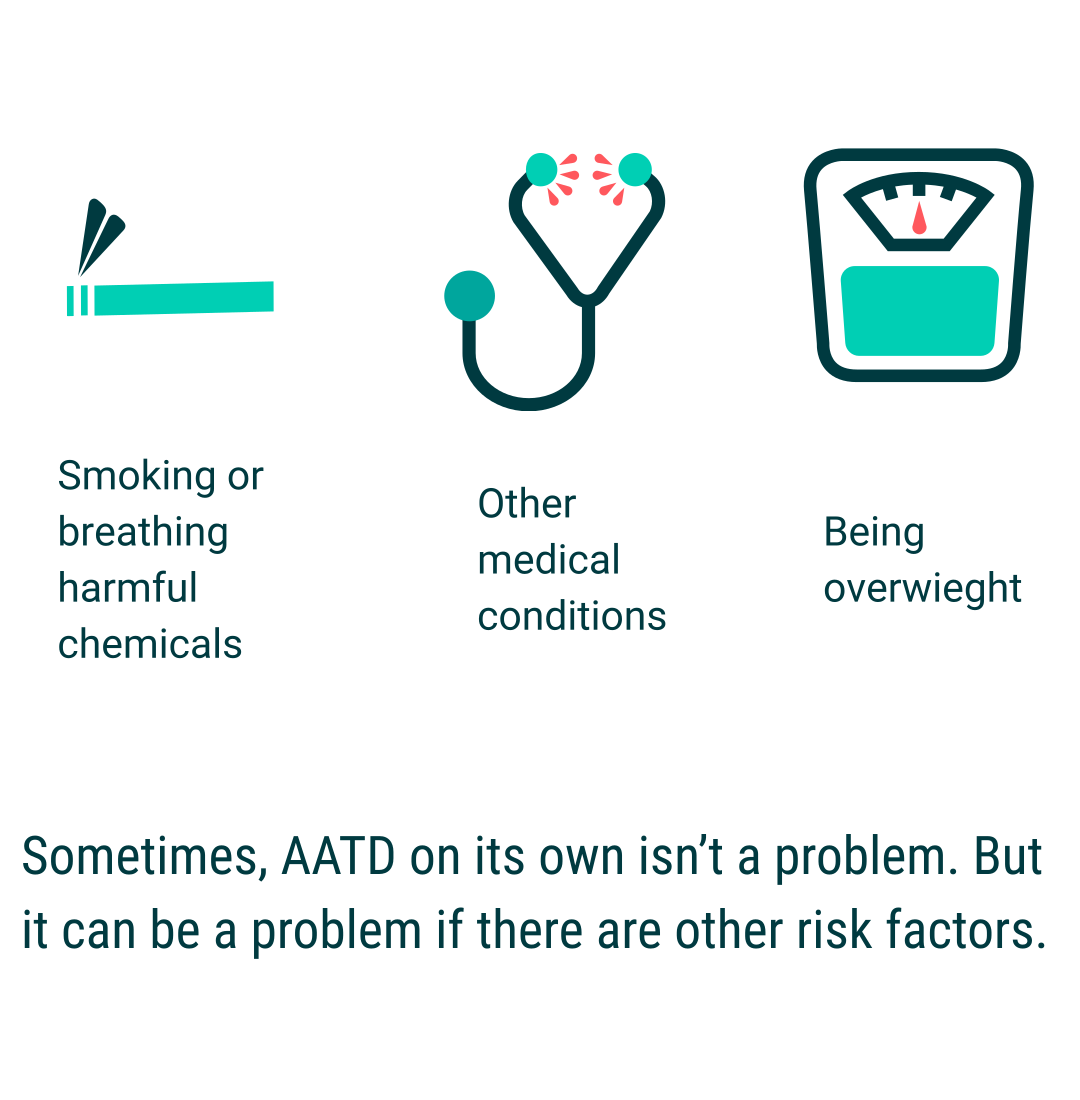
Often the genes on their own do not cause A1ATD. But they can become a problem if there are other risk factors.
Other risk factors
Other risk factors include:
- smoking
- other medical conditions
- being overweight
Drinking too much alcohol could also be a problem.
You can find out more about who is at risk on the next page.
For more detailed information, find out more about:
How different genotypes affect A1ATD liver disease
For more personal information you can also:
- Talk to your medical team about the genes linked to your or your child’s A1ATD and how these genes might affect the condition.
- Ask to be referred to a genetic counsellor.
Support
How Liver UK can help
A diagnosis of liver disease can be worrying, and you may have a lot of questions.
We're here for you and for your family and friends. Whether you have questions or just need someone to listen, we can help.

Your feedback
This content was last reviewed: June 2026
Our expert reviewers:
We would like to thank everyone who helped with creating and reviewing this page. Including Dr Bill Griffiths, consultant hepatologist, Cambridge university hospitals, Professor Dino Hadzic, consultant paediatric hepatologist, King’s college hospital, Dr Girish Gupte, consultant paediatric hepatologist, Birmingham children’s hospital. And all our patient and family reviewers.
Liver UK thanks Takeda UK for their kind donation to support the development of this information. Takeda UK has had no influence in the initiation, development or content of this project.
Find out how we make our patient information.
Everyone’s experience of liver disease will be different. Always talk to your specialist medical team for personal advice.

More from Liver UK

Check your risk
Find out more

Support us
Find out more
Keep up to date
Find out more