
Alpha-1 antitrypsin deficiency genes
A1ATD is an inherited genetic condition. The way it is passed on in families and how different genes affect the condition is complicated.
The information on this page is for:
- Adults and children with A1ATD or suspected A1ATD.
- Family, friends, carers, and healthcare professionals.
This page gives a more in-depth look at A1ATD genetics for those who would like to know the details. It may be helpful if you have already had the results of a genetic test for A1ATD and want to know more about what they mean.
If you would prefer a shorter version, you can use the links below to:
Get the key facts about what causes A1ATD
Find out who is at risk of A1ATD
Find more about genetic and inherited liver conditions
On this page:
Different gene versions
There are different versions of the gene that causes alpha-1 antitrypsin deficiency
The gene that causes AATD is called SERPINA 1. You might also hear it called the AAT gene.
There are lots of different versions of this gene. Some of them can cause AATD. You might hear these different versions called “alleles” or “variants”.
The normal version of the gene
M is the most common allele. This is the normal version of the gene and gives instructions to make the normal AAT protein.
People with 2 M alleles do not have AATD.
Versions that can cause alpha-1 antitrypsin deficiency
There are hundreds of different versions of the SERPINA 1 gene. But most of them do not cause any problems.
The most common alleles that can cause a problem are:
- The Z allele – this is most likely to cause a serious problem
- The S allele – this is usually only a problem when combined with a Z allele
There are other rarer alleles called F, and Null or Q0.
Different gene combinations
People with alpha-1 antitrypsin deficiency can have different combinations of genes
We all have 2 copies of each of our genes. We get one from our mother and one from our father.
The combination of genes that someone has is called their genotype.
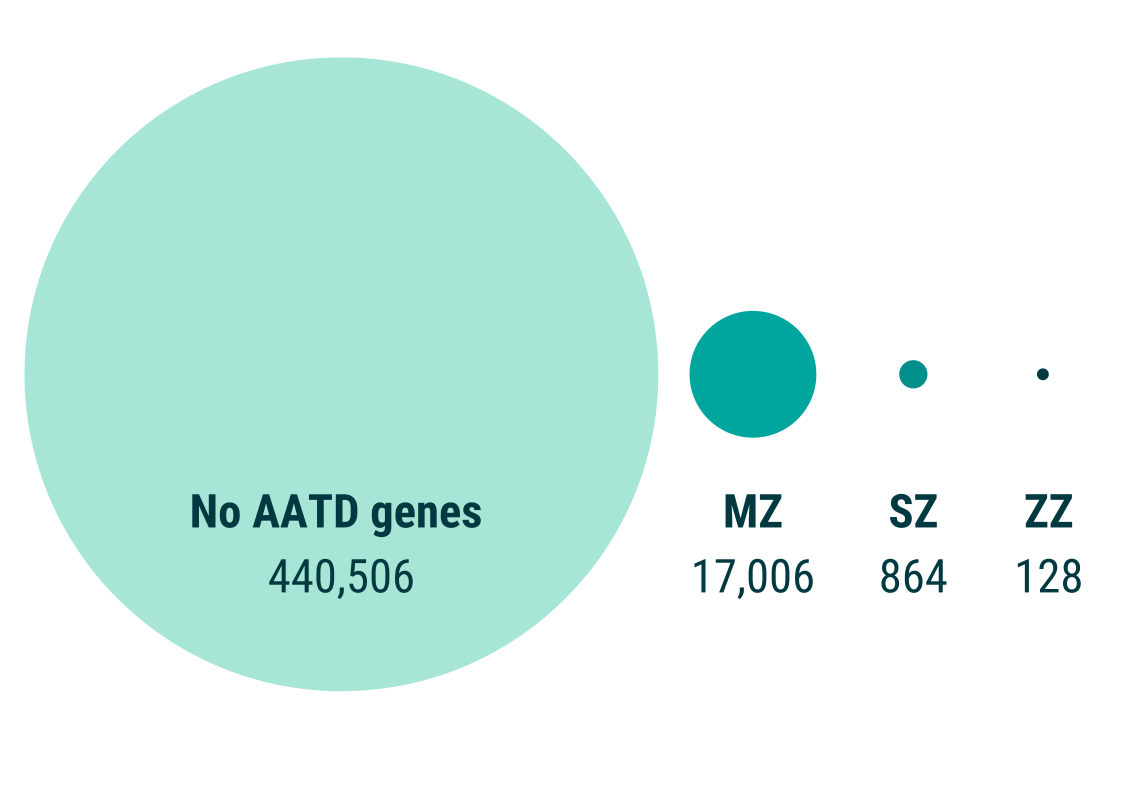
- A UK study looking at 500,000 people in the UK found that about: 1 in 30 had one M and one Z gene – the MZ genotype
- 1 in 600 had one S and one Z gene – the SZ genotype
- 1 in 4,000 had two Z genes – the ZZ genotype
In A1ATD the genotype that someone has affects their risk of getting liver or lung damage. You can find out more about this here.
How the genes are written
For AATD, doctors may write the genotype like this: Pi*MZ or PiMZ or MZ
Pi* stands for protease inhibitor, this is the type of protein.
MZ is the alleles the person has. In this case they have 1 normal M allele and 1 Z allele.
The combination of alleles is called the “genotype”
Support
How Liver UK can help
A diagnosis of liver disease can be worrying, and you may have a lot of questions.
We're here for you and for your family and friends. Whether you have questions or just need someone to listen, we can help.

Your feedback
This content was last reviewed: June 2026
Our expert reviewers:
We would like to thank everyone who helped with creating and reviewing this page. Including Dr Bill Griffiths, consultant hepatologist, Cambridge university hospitals, Professor Dino Hadzic, consultant paediatric hepatologist, King’s college hospital, Dr Girish Gupte, consultant paediatric hepatologist, Birmingham children’s hospital. And all our patient and family reviewers.
Liver UK thanks Takeda UK for their kind donation to support the development of this information. Takeda UK has had no influence in the initiation, development or content of this project.
Find out how we make our patient information.
Everyone’s experience of liver disease will be different. Always talk to your specialist medical team for personal advice.

More from Liver UK

Check your risk
Find out more

Support us
Find out more
Keep up to date
Find out more