
A VCTE scan is a quick and painless way for doctors to find out how stiff your liver is. A healthy liver is smooth, and soft. But the scarring that causes fibrosis and cirrhosis makes your liver tough and lumpy.
You might hear this test called vibration controlled transient elastography, VCTE, transient elastography, TE, or by the brand name FibroScan.
A VCTE scan cannot diagnose a liver condition on its own. It also cannot tell you what stage your condition is. You will need to have other tests as well. Usually a liver blood test, full liver screen and an ultrasound scan. Doctors will combine the results of all your tests to make a diagnosis and decide what happens next.
Not everyone being tested for a liver condition will have a VCTE scan. There are other tests that can look for liver scarring. These are called a Fib4 test and an ELF test.
On this page:
Having a VCTE scan (FibroScan)
Before the scan
You will probably be asked not to eat anything for at least 3 hours before your scan. You can drink clear liquids during this time but avoid fizzy drinks.
You will need to lift your top up to have the scan. So it is best to wear loose clothing with a separate top and bottom.
Having the scan
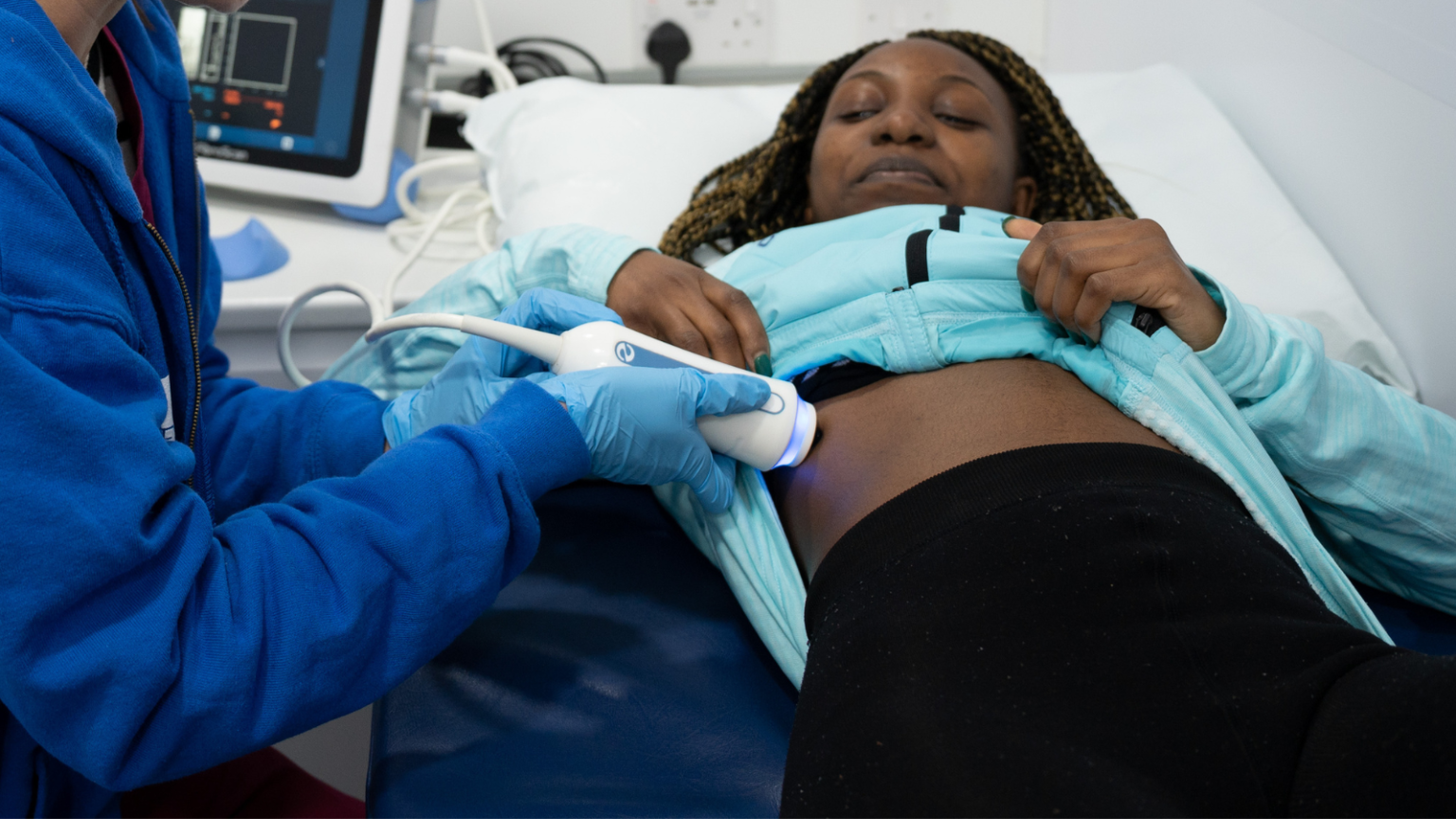
You will be asked to lie down, lift up your top and put your right arm above your head. Some gel will be put on your skin. This will be on your right side, towards the bottom of your ribs.
The scan probe looks a bit like a microphone or a thick plastic wand. It will be put on your skin where the gel is. You might feel a little vibration as the measurement is taken but it will not hurt.
You might have several readings taken and sometimes it takes a few goes to get a clear result. But in total it should only take around 5 to 15 minutes.
Understanding your results
The scan machine gives the result straight away. The result will be a number between 1.5 and 75 kilopascals (KPa).
You might be given this number at your scan. Or you may have to wait for a follow up appointment.
You may see “normal” or “reference” ranges for TE or FibroScan scores online, but these are not right for everyone. There is no set number that will tell you if you have a liver condition or not. Generally, higher numbers are linked to more scarring. But your doctor will need to look at your result alongside all your other test results and information about you and your symptoms.
Finding health information online.
There are lots of types of liver disease. So you will need other tests as well to get a diagnosis and understand the stage of your condition.
You can find out more about the stages of liver disease here.

Questions to ask about your results
-
- What was my score?
- What numbers do you use to decide what is and is not normal?
- How and when will I get my results?
- What happens next?
- Who can I contact if I have questions?
Love your Liver Roadshow
Liver UK is working to raise awareness of liver disease and the huge benefits of early detection.
As part of this, our Love Your Liver Roadshow travels the country offering people information about risk factors and a free liver scan.
Roadshow scan tests cannot diagnose or rule out a liver condition and cannot be used instead of a scan from your healthcare team.
Unfortunately we cannot offer you a scan at the roadshow if you have ever been told that you have a liver condition.
But the roadshow team can help you to understand more about your liver health and if you should speak to your doctor about tests.
Support
How Liver UK can help
A diagnosis of liver disease can be worrying, and you may have a lot of questions.
We're here for you and for your family and friends. Whether you have questions or just need someone to listen, we can help.
Your feedback
This content was last reviewed: Month Year
Our expert reviewers:
We would like to thank everyone who helped with creating and reviewing this page. Including Professor Stephen Ryder, consultant hepatologist at Nottingham University Hospitals NHS trust And all our patient reviewers.
Find out how we make our patient information.
Everyone’s experience of liver disease will be different. Always talk to your specialist medical team for personal advice.
More from Liver UK

Check your risk
Find out more

Support us
Find out more
Keep up to date
Find out more