
An ultrasound scan is a very common test used to look at your liver, gallbladder or other parts of your tummy (abdomen).
Ultrasound scans are usually done in a hospital by a specially trained professional. This could be a sonographer or a radiologist.
The scan uses a small device called a probe which is moved over your skin. The probe gives off high-frequency sound waves. These go through your skin and into your tummy, then bounce back. They are then picked up by the probe on the outside of your tummy and turned into moving pictures on the computer screen.
Ultrasound scans are very safe and do not hurt.
eded
On this page:
Before the scan
These are general guidelines for a liver or gallbladder ultrasound scan. But always follow the instructions on your appointment letter. Or contact your medical team if you are not sure.
Eating and drinking
You may be asked to fast (not eat) for 6 hours before your scan. During this time you should not have any:
- Food
- Drinks with milk in
- Fizzy drinks
- Alcohol
You can still drink water or tea/coffee without milk or sugar. You should carry on taking any medicines from your doctor as normal.
In some situations this can be more difficult. For example if you have type 1 diabetes, or you need to have food with your medicines before the scan. It is best to talk to the scanning department for advice. The contact information should be on your appointment letter, email or text.
For liver and gallbladder scans you do not usually need to arrive with a full bladder. Your appointment letter will say if you need to do this.
What to wear
You will need to lift up or take off your top for the scan. It is easiest to wear loose fitting clothes with a separate top and bottom.
If you wear a bra you should be able to keep this on for the scan.
Scan appointments do not always run on time. It is a good idea to take a bottle of water with you and a book, phone, or something else to pass the time. You could also take a snack for after the scan.
You can read our advice about coping with the stress of appointments here. It includes some simple techniques to help you cope with anxiety in the waiting room.
Having the scan
The scan room might have dim lights. This is so that the person doing the scan can see the images on the screen clearly.
You will be asked to lie on a bed and take off or pull up your top.
You may be given some paper towels to tuck into your clothes. This is to stop the gel used for the scan getting on your clothes. You can ask for paper towels if you are not given them.
Some clear gel will be put on your skin. For a liver scan this will be on the right side of your tummy, around the bottom of your ribs. This gel helps the sound waves to move between the ultrasound machine and your body. The gel can feel cold when it is put on.
The probe is then placed on your skin over the area with the gel. The person doing the scan will move the probe around so that they can see different parts of your liver and gallbladder and the areas around them.
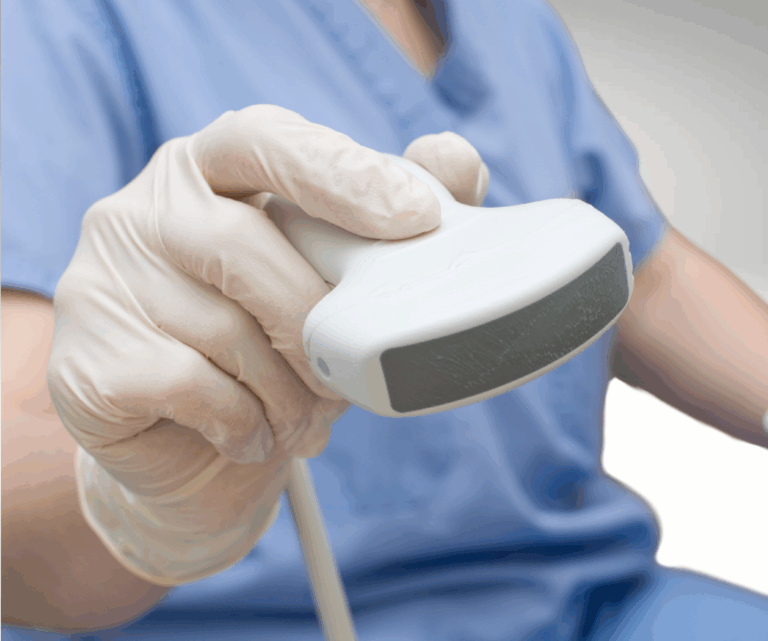
You might feel some pushing as the probe is moved around. This can sometimes be uncomfortable but it should not be painful.
You will not be able to hear the sound waves used in the scan. But you may hear some swooshing or pulsing sounds. This is the sound of your blood flowing through your liver.
You might be asked to:
- roll on your side
- hold your breath to help get the pictures needed
- Lift your arms over your head
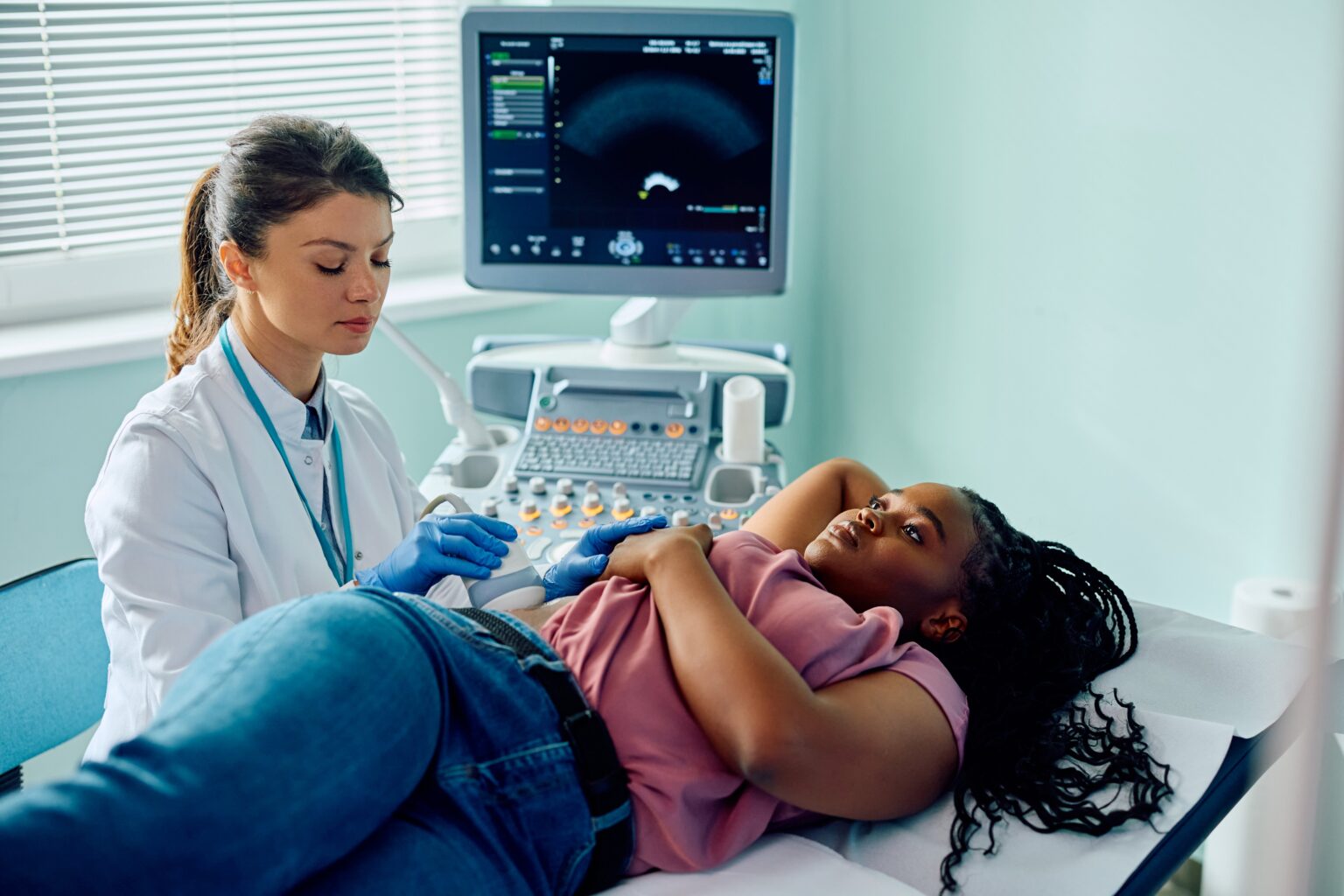
The scan might look at other parts of your body as well. For example your spleen.
The person doing the scan will save some still pictures and videos from the scan.
Having the scan usually takes about 10 to 20 minutes.
Once it is finished you will be given some more paper towels to wipe off the gel.
You can eat and drink as normal after your scan.
Getting your results
The person doing the scan may be able to tell you something about what they can see. But usually the scan results will need to be looked at in more detail later.
The person who has done your scan will write up a report and send this to the doctor who asked for the scan. They will look at the report alongside your other test results.
If you do not already have a follow up appointment booked, contact the GP or hospital team that sent you for the ultrasound to arrange one. This should be about 2 weeks after the scan.
Sometimes an ultrasound and blood tests will be enough to diagnose or rule out a liver problem.
If you have been diagnosed with a liver condition you can find out more information about it here.
You might need more tests. Ultrasound scans are very useful, but they often cannot give a definite diagnosis on their own. So you might be asked to have other imaging tests such as a CT or MRI scan. You can find out more about tests for liver disease here.
Liver conditions found by accident during a scan
There are some liver conditions which are very common and harmless. They are often picked up by accident if you have an ultrasound scan for something else.
Simple liver cysts are small sacs of liquid in your liver. These usually cause no problems or symptoms. The safest option is to leave them alone. You can find out more about simple liver cysts here.
Liver haemangiomas are a very common type of benign tumour. It is thought that about 1 in 20 people have them and it is very rare for them to cause any symptoms or problems. They are similar to strawberry birth marks that many people have on their skin. You can find out more about liver haemangiomas here.
If your ultrasound scan shows you have one of these conditions you might be asked to have other tests. This is nothing to worry about, it is just to rule out any other rarer conditions.
Support
How Liver UK can help
A diagnosis of liver disease can be worrying, and you may have a lot of questions.
We're here for you and for your family and friends. Whether you have questions or just need someone to listen, we can help.
Your feedback
This content was last reviewed: May 2025
Our expert reviewers:
We would like to thank everyone who helped with creating and reviewing this page. Including Dr Christopher Clarke, Consultant Abdominal Radiologist, Nottingham University Hospitals NHS Trust. And all our patient reviewers.
Find out how we make our patient information.
Everyone’s experience of liver disease will be different. Always talk to your specialist medical team for personal advice.
More from Liver UK

Check your risk
Find out more

Support us
Find out more
Keep up to date
Find out more