
What is
haemochromatosis?
If you have haemochromatosis your body doesn’t process iron in the same way as other people. Iron can build up in your body.
If this isn’t diagnosed, it can cause problems in the long term. The good news is that haemochromatosis can be managed by your doctor once you know you have it. The sooner you have treatment, the less likely you are to have any serious effects. However, joint pain and fatigue are often an issue.
Haemochromatosis runs in families and can be passed on through your genes. If a close relative has been diagnosed with haemochromatosis, you are likely to be tested for it before you have any symptoms. About 3 out of every 4 cases of haemochromatosis (75%) are picked up this way.
As with some other genetic conditions, how haemochromatosis is passed on is complicated. Some people have the genes but don’t develop the disease.
There is more about what haemochromatosis is and what causes it on the next page: How is haemochromatosis passed on in families?
The information on this page is for:
- Adults with haemochromatosis or suspected haemochromatosis.
- Family, friends, carers, and healthcare professionals.
Find out about haemochromatosis in babies, children and young adults
On this page:
About Iron in the body
Iron is a chemical element that is found in many foods. It’s a very important part of haemoglobin – a protein found in red blood cells.
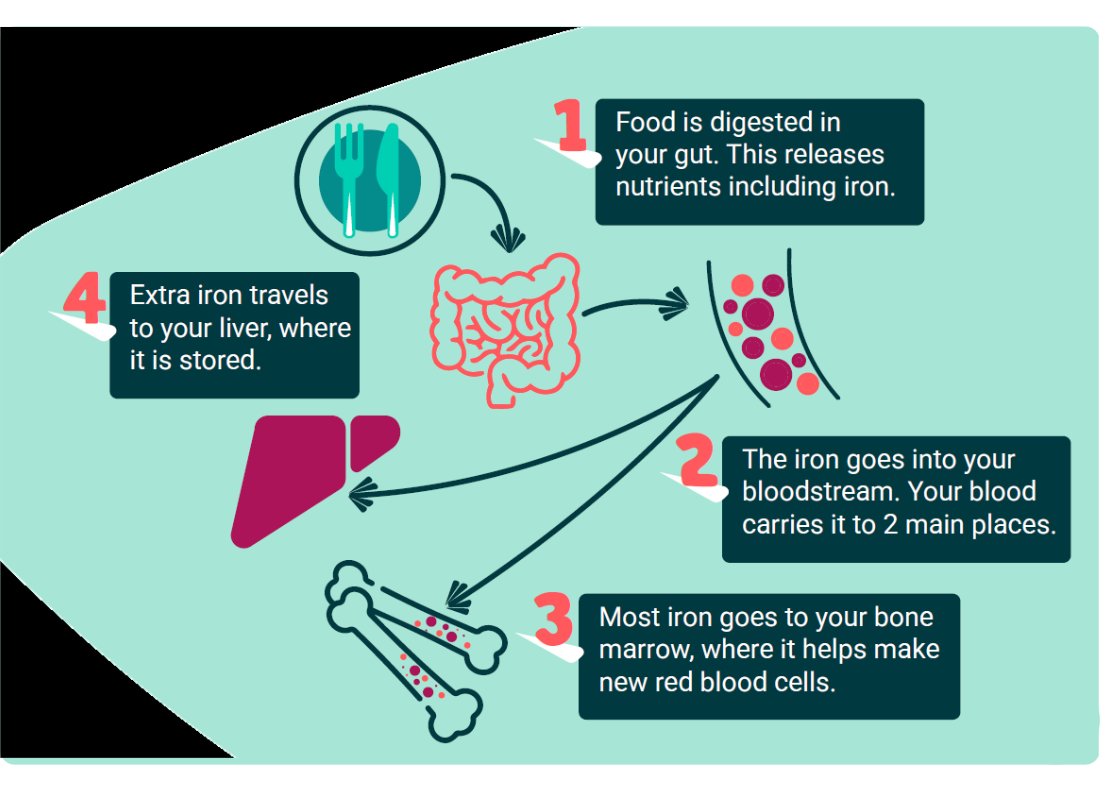
Haemoglobin in red blood cells attaches to oxygen as blood flows through your lungs. The red blood cells carry the oxygen round your body, releasing it to the body tissues that need it. As well as the iron in haemoglobin, your body stores a little extra iron in the liver, for when it’s needed.
Iron is absorbed in the gut from the food you eat and passes into the bloodstream. A protein called transferrin picks up the iron in the blood and carries it to the liver for storage or to your bone marrow, where new red blood cells are made.
How haemochromatosis affects iron in the body
If you have haemochromatosis, your body doesn’t produce enough of a protein called hepcidin. This is a hormone that stops your body absorbing iron from your gut when you don’t need it.
Without hepcidin, your body absorbs too much iron. It has no way of getting rid of the excess iron. So, over time, it builds up. This is mostly in the liver, where it’s been transported by the transferrin protein. If your haemochromatosis isn’t diagnosed and managed, eventually the iron build up can cause damage to your liver and other body organs.
The amount of hepcidin people with haemochromatosis make varies. It depends which genes are affected. People with juvenile haemochromatosis make little or no hepcidin. So iron builds up more quickly, meaning symptoms start at a younger age and are often worse. Adults with the main type of haemochromatosis can usually make some hepcidin. This means any iron build-up is usually slower and symptoms are milder.
Support
How Liver UK can help
A diagnosis of liver disease can be worrying, and you may have a lot of questions.
We're here for you and for your family and friends. Whether you have questions or just need someone to listen, we can help.

Your feedback
This content was last reviewed: September 2025
Our expert reviewers:
We would like to thank everyone who helped with creating and reviewing this page. Including Jeremy Shearman, Consultant Hepatologist and Gastroenterologist, South Warwickshire University Foundation Trust, Sister Kim Hicks, Medical Day Unit Haemochromatosis Nurse, Royal Cornwall Hospital, Treliske, Dr Indra van Mourik, Consultant Paediatric Hepatologist (retired). And all our patient reviewers.
Liver UK thanks CSL Behring for their kind donation to support the development of this information. CSL Behring has had no influence in the initiation, development or content of this project.
Find out how we make our patient information.
Everyone’s experience of liver disease will be different. Always talk to your specialist medical team for personal advice.
More from Liver UK

Check your risk
Find out more

Support us
Find out more
Keep up to date
Find out more