
How is autoimmune liver disease diagnosed?

Autoimmune diseases are conditions in which the immune system mistakenly attacks and damages the body’s healthy cells. There are 3 autoimmune liver diseases that can happen in children.
The information on this page is for:
- Parents of children with autoimmune liver disease or suspected autoimmune liver disease.
- Young people with autoimmune liver disease or suspected autoimmune liver disease.
- Family, friends, carers, and healthcare professionals.
There is no single test for autoimmune liver disease. The diagnosis is based on a combination of factors. This means a diagnosis can take time. Many children are diagnosed after having tests for another health problem.
The symptoms of autoimmune liver disease can be similar to those seen in other liver diseases. The medical team need to rule these out before making a diagnosis.
On this page:
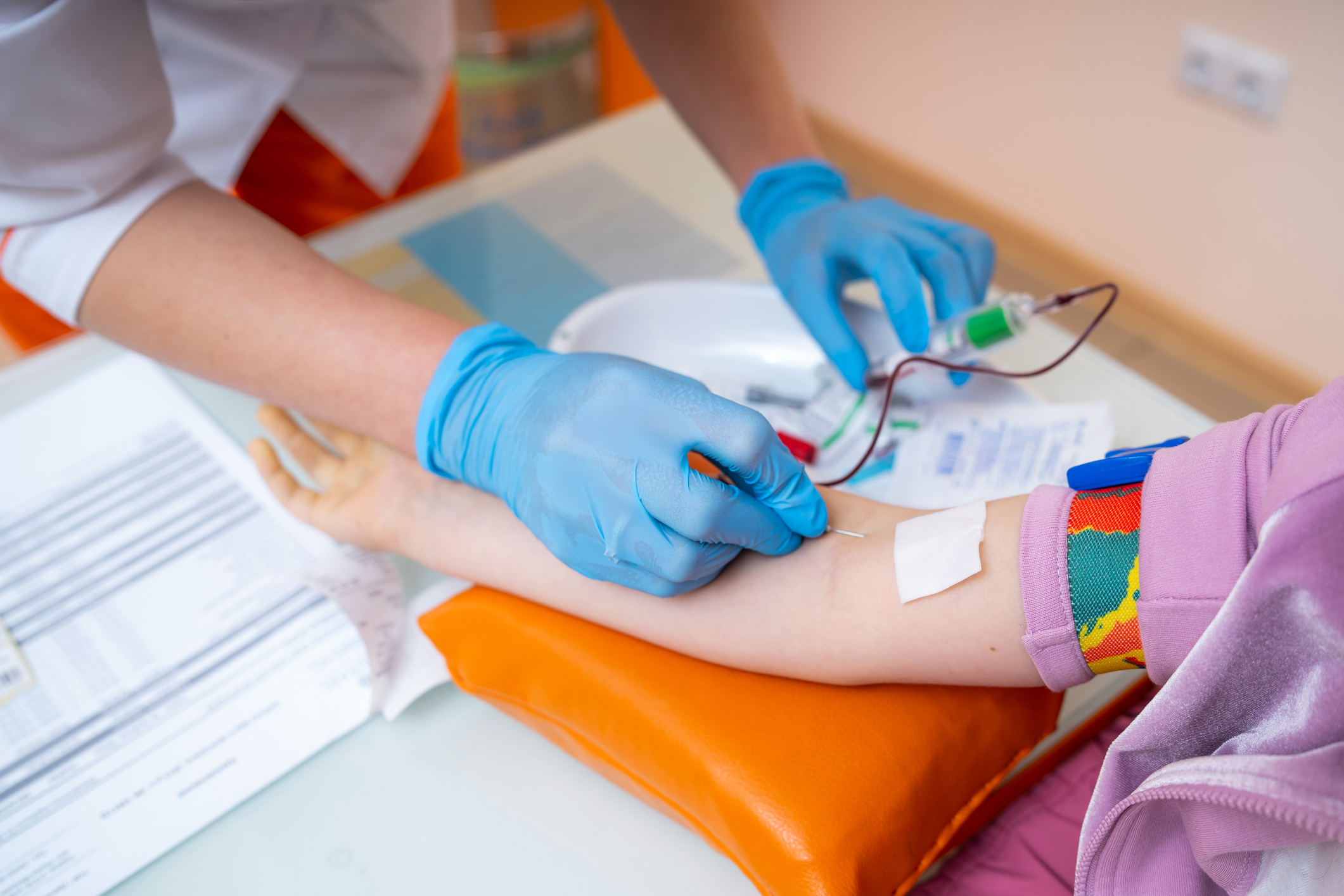
Blood tests
This may include:
- liver blood tests (also known as liver function tests or LFTs)
- blood tests to check for the autoantibodies
- blood tests to rule out other liver diseases
To do these tests, a blood sample is taken and tested in a laboratory. The results will help the doctor understand your child’s general health. They are also a good way of seeing if the liver is injured and how well it is working.
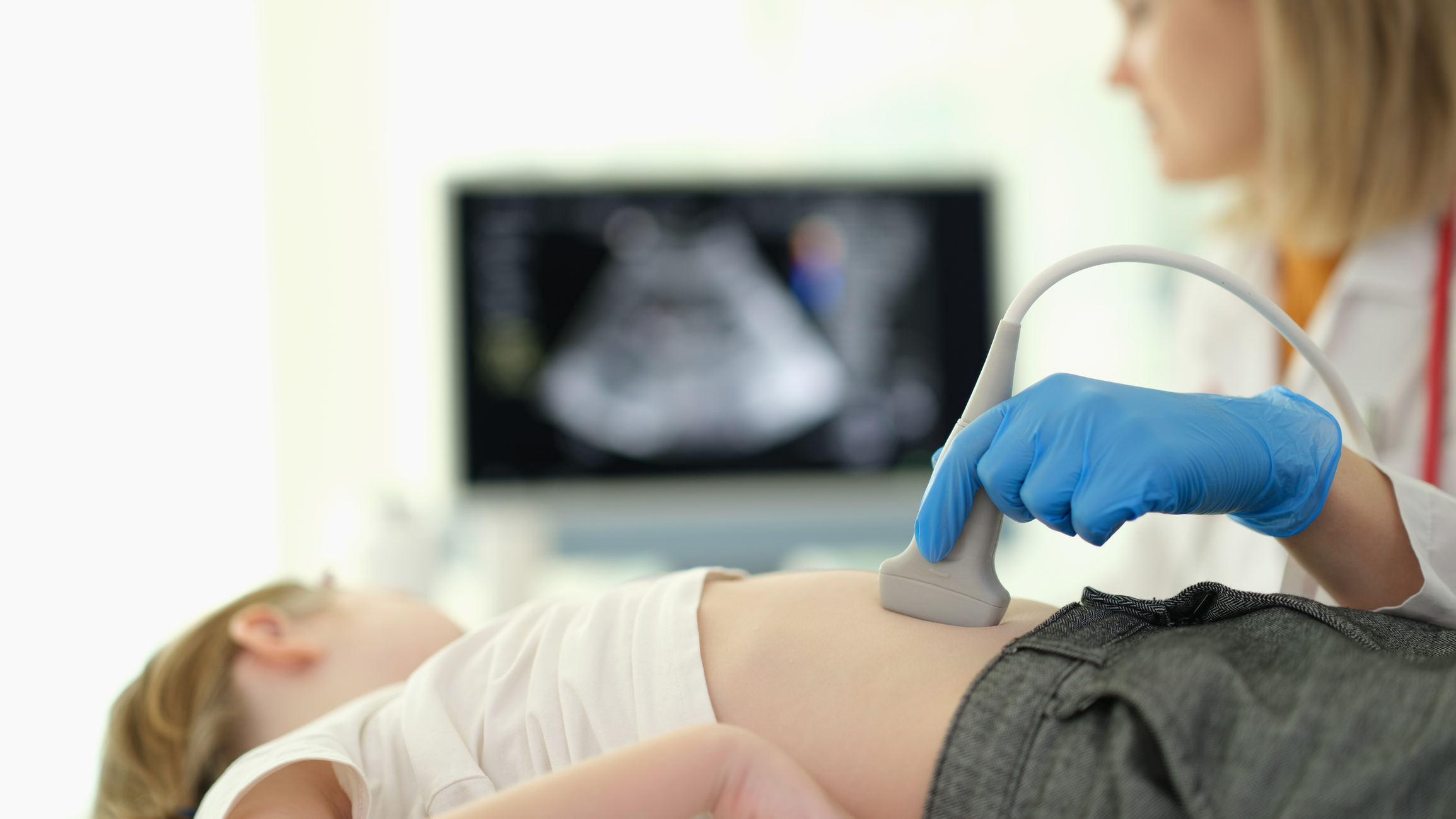
Abdominal ultrasound scan
An abdominal ultrasound scan uses sound waves to create a picture of the inside of the body. It may be used to check and monitor:
- the size and texture of the liver
- the size of the spleen
- the blood flow into and out of the liver
MRI / MRCP
MRI = Magnetic resonance imaging (MRI)
MRCP = magnetic resonance cholangiopancreatography (MRCP)
These scans use strong magnets and radio waves to make pictures of the internal organs. In autoimmune liver disease they help doctors see the bile duct tree. They can help find inflammation, narrowing or even blockages.
Liver stiffness measurements
Special scans, such as a FibroScan are used to monitor the amount of stiffness in the liver. Healthy liver tissue is soft, so stiffness shows that damage has occurred.
Liver biopsy
Your child will need a liver biopsy to confirm the diagnosis and check the severity of the liver disease.
During this test a very thin needle is inserted through the tummy (abdominal) wall and into the liver. The needle takes a small sample of liver tissue. This is sent to a laboratory to be studied under a microscope.
Support
How Liver UK can help
A diagnosis of liver disease can be worrying, and you may have a lot of questions.
We're here for you and for your family and friends. Whether you have questions or just need someone to listen, we can help.

Your feedback
This content was last reviewed: June 2025
Our expert reviewers:
We would like to thank everyone who helped with creating and reviewing this page. This information has been produced with input from the three specialist paediatric liver centres in the UK. And with parents and families.
Find out how we make our patient information.
Everyone’s experience of liver disease will be different. Always talk to your specialist medical team for personal advice.

More from Liver UK

Check your risk
Find out more

Support us
Find out more
Keep up to date
Find out more