
How is autoimmune liver disease
treated?

Autoimmune diseases are conditions in which the immune system mistakenly attacks and damages the body’s healthy cells. There are 3 autoimmune liver diseases that can happen in children.
The information on this page is for:
- Parents of children with autoimmune liver disease or suspected autoimmune liver disease.
- Young people with autoimmune liver disease or suspected autoimmune liver disease.
- Family, friends, carers, and healthcare professionals.
On this page:
Medicines
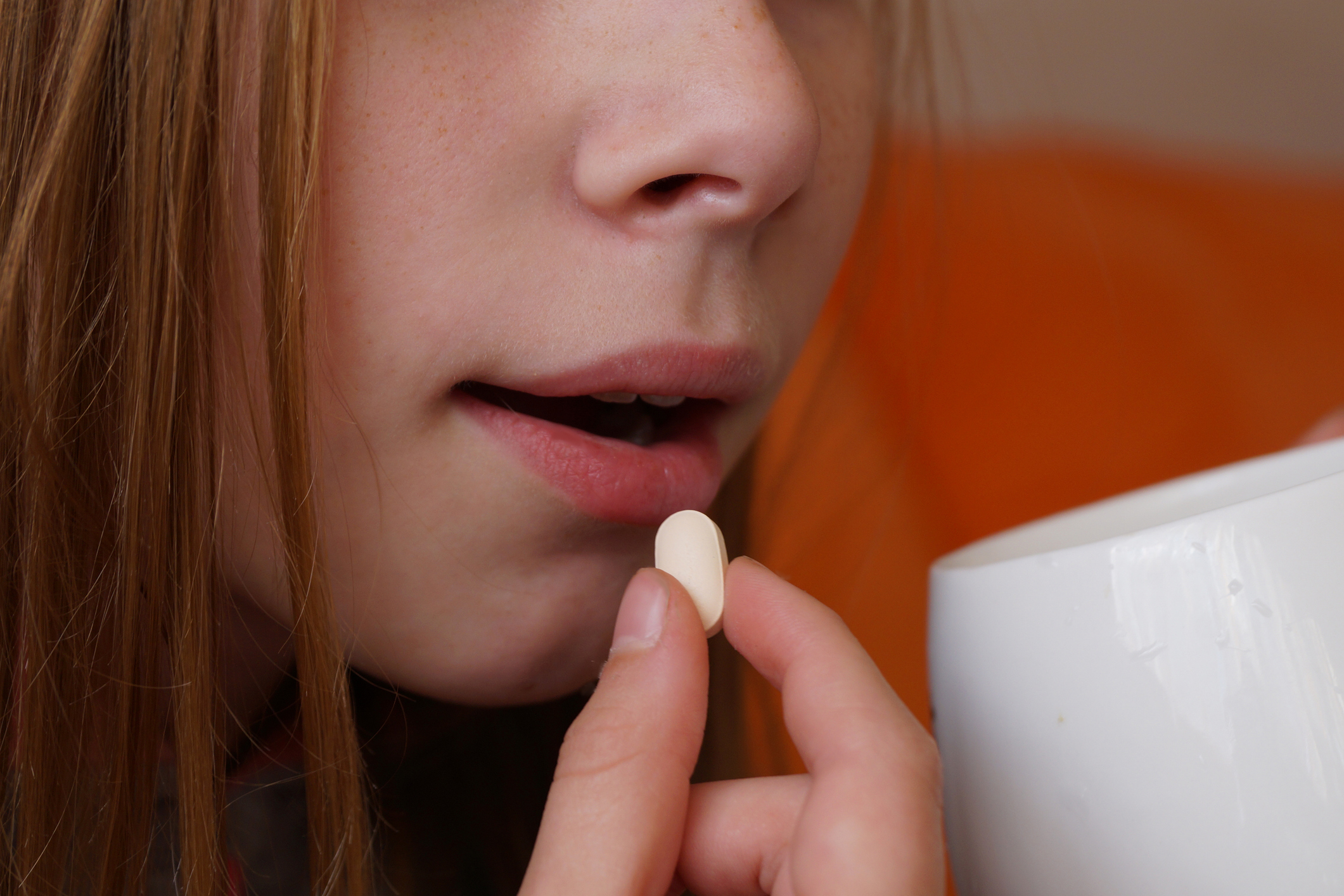
Treatment for autoimmune liver disease involves using medicines to suppress the immune system to make it less active. This is called immunosuppression. These medicines stop the immune system from attacking the liver.
The aim of treatment is to stop liver inflammation. This will also prevent or reduce liver scarring (fibrosis).
Doctors use a combination of medicines to suppress the immune system. The amount of
medicine needed (the dose) will be different for each child. Doctors aim to use the lowest dose they can. This helps to reduce side effects.
Steroids are usually the first treatment. They are drugs that reduce swelling (inflammation). They also suppress the immune system.
Blood tests will be done at least weekly when treatment begins. This is to check if the medicines are effective.
Prednisolone
Prednisolone is the main steroid used to treat autoimmune liver disease. Sometimes it is simply called “pred”. The response to this treatment is usually fast. It is very effective for most children.
High doses are usually needed when treatment starts. The dose will be reduced gradually (usually over 6-8 weeks). But this will depend on blood test results and symptoms.
Azathioprine
Azathioprine is another drug used to treat autoimmune liver disease. Like prednisolone, it reduces the response of the immune system. But it works in a different way to steroids.
Azathioprine is used in addition to prednisolone. The amount of steroid needed is often lower when azathioprine is added. This means that the side effects from the steroid may be less severe. They may even stop completely.
Azathioprine is usually started a few weeks after steroid treatment. It is started at a low dose and gradually increased if needed. Feeling sick (nausea) is a common side effect at the start of treatment. This usually eases after a few weeks.
Prednisolone and azathioprine are effective in most children. But it can take a year or more to get the disease fully under control. Most children lead a good quality of life while taking medication.
These drugs may not work in a small number of children. Other treatments may be needed if your child:
- experiences too many side effects from treatment
- has lots of relapses when trying to reduce treatment
The medical team will discuss other treatment options with you if they are needed.
Additional treatments used in ASC
In autoimmune sclerosing cholangitis, the autoimmune hepatitis part of the condition responds well to immunosuppression treatment. The bile duct inflammation part does not. This gets worse in about half of children.
Children with ASC may need other treatments to manage:
- inflammation and infection of the bile ducts (cholangitis)
- inflammatory bowel disease
Inflammatory bowel disease will be managed by a paediatric gastroenterologist.
Extra medicines used in ASC may include:
Ursodeoxycholic acid
Ursodeoxycholic acid is also known as urso or UDCA. It is a bile salt that occurs naturally in small amounts in bile. Taking it as a medicine can help improve bile flow out of the liver.
Mesalazine (also known as 5-ASAs or aminosalicylates)
In ASC, the wall of the bowel can become inflamed and irritated. This drug reduces inflammation and allows damaged tissue to heal.
Antibiotics
Antibiotics may be used to prevent or treat inflammation and infection of the bile ducts (cholangitis).
Anti-TNF medicines
These drugs may be used if the inflammatory bowel disease is very severe or difficult to treat.
Other treatments:
Endoscopic retrograde cholangio-pancreatography (ERCP)
ERCP is a medical procedure. It is used to diagnose and treat conditions of the liver, bile ducts, pancreas and gallbladder. It may be used if there is narrowing in the bile duct tree.
The medical team use ERCP to stretch the narrowed bile ducts. The aim of the treatment is to improve bile flow.
Treatment side effects
Steroid treatment may cause side effects in some children. Some side effects happen straight away. Others happen after weeks or months. The medical team will monitor your child and will do regular blood tests.
Possible side effects from using steroids include:
- being more likely to pick up an infection
- increased appetite and weight gain
- acne
- bone weakness (osteoporosis)
- anxiety and mood changes
- roundness of the face
- increased body hair (hirsutism)
- slower growth
High doses of steroids may be needed when starting treatment. The medical team will reduce the dose as quickly as possible. They will aim for a dose that controls the disease with as few side effects as possible. High doses may also be used during a period of relapse.
High doses can cause more severe complications including:
- obesity
- raised blood sugar (hyperglycaemia)
- difficulty sleeping (insomnia)
- high blood pressure (hypertension)
Azathioprine treatment can also cause side effects. The most common side effects include:
- feeling sick (nausea)
- being sick (vomiting)
- loose stools (diarrhoea)
- loss of appetite
- tiredness (fatigue)
Tell your medical team about any side effects. They may be able to help by changing medicines or altering the dose.
Living with a liver disease can be hard. Your child will be coping with physical symptoms. They may also struggle with the side effects of treatment.
Some children and young people find it hard to keep taking medicines. But it is very important not to stop any medicines without talking to the medical team. Stopping medicines suddenly can cause a relapse.
How is autoimmune liver disease monitored?
Children with AIH or ASC will need regular blood tests. When first diagnosed, testing will be done at least weekly. This helps the doctors check the liver and see how quickly the dose of steroids can be reduced. As your child’s condition stabilizes, blood tests will be needed less often (at least every 3 months). Long-term monitoring is important due to the risk of relapse.
Support
How Liver UK can help
A diagnosis of liver disease can be worrying, and you may have a lot of questions.
We're here for you and for your family and friends. Whether you have questions or just need someone to listen, we can help.

Your feedback
This content was last reviewed: June 2025
Our expert reviewers:
We would like to thank everyone who helped with creating and reviewing this page. This information has been produced with input from the three specialist paediatric liver centres in the UK. And with parents and families.
Find out how we make our patient information.
Everyone’s experience of liver disease will be different. Always talk to your specialist medical team for personal advice.
More from Liver UK

Check your risk
Find out more

Support us
Find out more
Keep up to date
Find out more