
How do different genotypes affect alpha-1 antitrypsin deficiency liver damage?
Alpha-1 antitrypsin deficiency (A1ATD) is most common in people with European ancestry. Around 1 in 2000 people in the UK have the genes most likely to cause the condition. But many of them will never develop symptoms.
Some types of A1ATD do not normally cause problems on their own. But they can become a problem if there is another risk factor.
The information on this page is for:
- Adults and children with condition or suspected condition.
- Family, friends, carers, and healthcare professionals.
On this page:
How many people with alpha-1 antitrypsin deficiency genes get liver damage?
Children:
For 10 children with the ZZ genotype about:
- 2 will have signs of liver disease
- 8 will not
Adults:
Lots of different things can cause liver disease. AATD can increase the risk. We do not have reliable numbers for how many people get AATD related liver disease. But researchers have found that, compared to people with no AATD genes, people with the:
- ZZ genome are 20 times more likely to develop liver disease
- SZ genome are 3 times more likely to develop liver disease
- MZ genome have a slightly higher risk
People with the MZ genome should not get liver problems from AATD alone. But having the MZ genome can increase the risk of becoming very unwell from other liver conditions. So it is important to avoid risk factors like smoking, alcohol and being overweight.
Find out more: Living with A1ATD
What happens to children with alpha-1 antitrypsin deficiency?
The best information we have is from a study done in Sweden. This looked at babies who were tested for the AATD genes when they were born in the 1970s. It followed these people up regularly, they are now in their 40s.
Almost all children with AATD liver disease had the ZZ genotype. Some of these children had signs of liver disease. A small number became very unwell.
How many children had signs of liver disease?
Liver blood test results
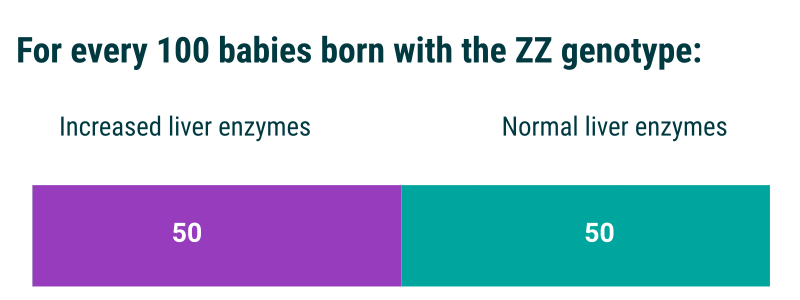
The most common change found in children was a change in some liver blood test results. The blood test looks at the levels of some enzymes that are made in the liver. Enzymes are a type of protein.
An increased amount of liver enzymes was found in about half of the ZZ children in the study. But on their own these results do not mean the child had a serious liver problem.
Prolonged Jaundice
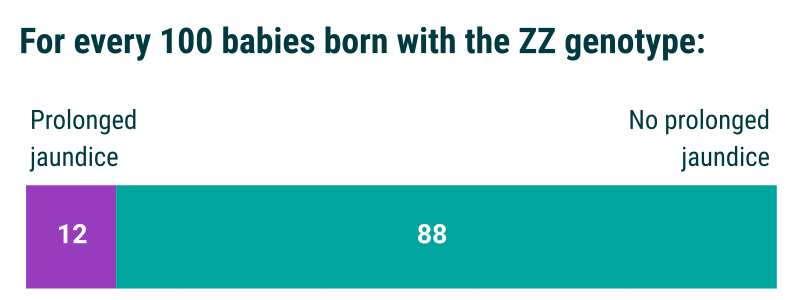
Prolonged jaundice in a baby can be a sign of a serious liver problem.
About 12 in 100 babies with the ZZ genotype had prolonged Jaundice.
How many children become seriously ill?
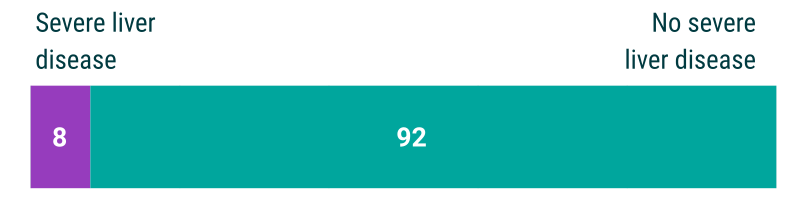
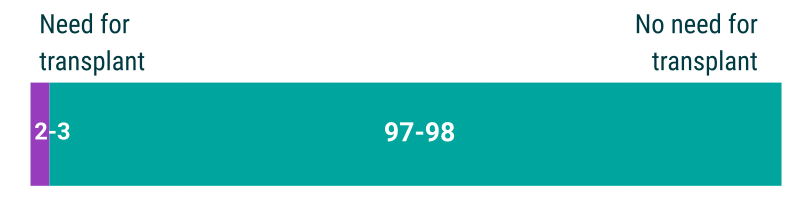
Most of the ZZ children in the study went on to have normal healthy childhoods. Out of 100 ZZ children:
- About 8 developed serious liver disease, 92 did not.
- 2 or 3 became so unwell that they needed a liver transplant, 97-98 did not.
What happened to these children in adulthood?
Most children in the study had no signs of liver disease at age 18. Out of 100:
- About 12 had increased liver enzyme blood test results, 88 did not.
- About 3 had severe liver disease, 97 did not.
The study checked up on these children in their 40’s. Overall, those with AATD genes were just as likely to still be alive in their 40’s as people who did not have the genes.
What happens to adults with alpha-1 antitrypsin deficiency?
Many people with AATD do not know they have it. But in some cases, it can increase the risk of liver or lung damage.
The most severe cases of AATD liver damage can lead to cirrhosis and liver cancer.
The best information we have is from a UK study that looked at people’s genes and their medical records.
Serious live disease (cirrhosis)
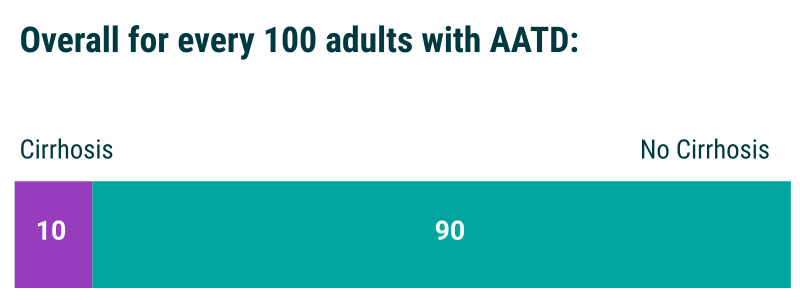
Overall, for every 100 adults with AATD genes:
- 10 developed cirrhosis, 90 did not
Liver transplant
A liver transplant is only suggested in the most severe cases where there are no other options to treat or manage liver damage.
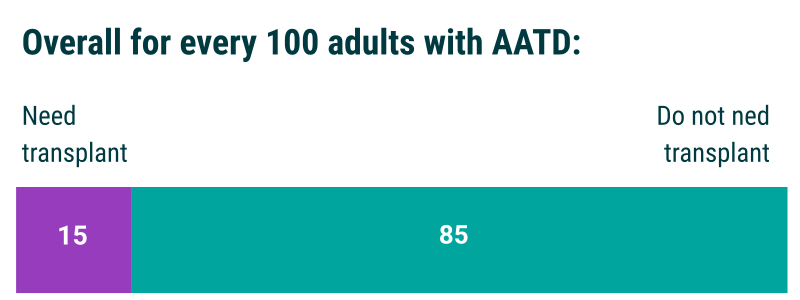
For every 100 people who had liver disease linked to AATD:
- 15 became so unwell that they needed a liver transplant, 85 did not.
Liver cancer
AATD can increase the risk of cancer that starts in the liver (primary liver cancer).
But liver cancer is rare. So the overall risk is still low.
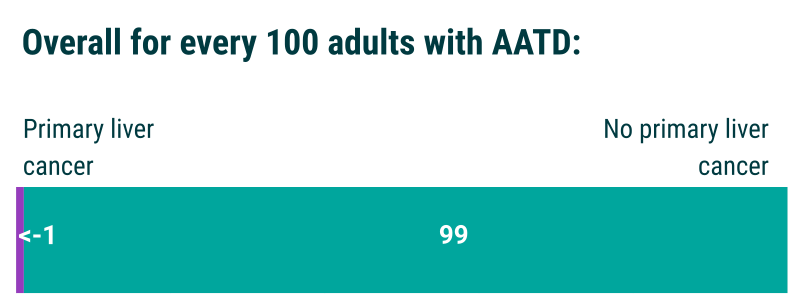
Overall, for every 100 adults with AATD genes:
- 1 developed primary liver cancer, 99 did not
The combination of AATD genes that someone has changes their risk of liver cancer. The risk is highest for adults with the ZZ genotype.
Adults in this group may be offered regular checks to look for the early signs of liver cancer. If it is found early, it is easier to treat.
In any one year about:
- 1 in 10,000 people in the general population will get liver cancer
- 7 in 10,000 people with the SZ genotype will get liver cancer
- 40 in 10,000 people with ZZ genotype will get liver cancer
Most people with AATD genes will not get serious liver disease. But it is normal to worry or have questions. If you are concerned, talk to the specialist medical team for personal advice.
You can also find out more about living with AATD, including how to look after your liver.
Support
How Liver UK can help
A diagnosis of liver disease can be worrying, and you may have a lot of questions.
We're here for you and for your family and friends. Whether you have questions or just need someone to listen, we can help.
Your feedback
This content was last reviewed: June 2026
Our expert reviewers:
We would like to thank everyone who helped with creating and reviewing this page. Including Dr Bill Griffiths, consultant hepatologist, Cambridge university hospitals, Professor Dino Hadzic, consultant paediatric hepatologist, King’s college hospital, Dr Girish Gupte, consultant paediatric hepatologist, Birmingham children’s hospital. And all our patient and family reviewers.
Liver UK thanks Takeda UK for their kind donation to support the development of this information. Takeda UK has had no influence in the initiation, development or content of this project.
Find out how we make our patient information.
Everyone’s experience of liver disease will be different. Always talk to your specialist medical team for personal advice.

More from Liver UK

Check your risk
Find out more
Support us
Find out more
Keep up to date
Find out more