
Signs and symptoms
of gallstones
Most gallstones do not cause problems. When symptoms occur, they include mild, ongoing tummy discomfort or sudden severe pain that can spread to the back or shoulder. Serious problems are rare but can need urgent treatment.
The information on this page is for:
- Adults with gallstones or suspected gallstones.
- Family, friends, carers, and healthcare professionals.
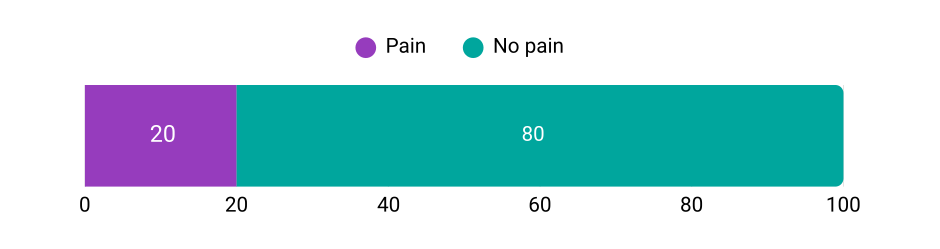
For every 100 adults with gallstones:
About 20 have painful symptoms, 80 do not.
On this page:
Ongoing symptoms of gallstones
Gallstones can cause symptoms that are very similar to a lot of other conditions. These can go on for years without becoming more serious.
These symptoms include:
- Tummy pain
- Pain or heaviness under the ribs on the right-hand side
- Feeling full or bloated
Sudden symptoms of gallstones
Gallstones can also cause sudden severe tummy pain.
This pain can:
- Spread to the back and shoulder
- Feel like squeezing or stabbing
- Be constant or come in waves
- Happen after eating or after eating particular foods
These pain attacks can last a few minutes or hours. The pain does not get better after going to the toilet, being sick (vomiting), or passing wind.
Some people feel the pain in their chest. If this happens it is important to have tests to rule out a heart problem. If these tests are normal and the pain continues they should have an ultrasound to check for gallstones.
After the attack it is usually weeks or months until there is another one. If there are no other complications doctors might call this Uncomplicated gallstone disease.
If someone has not had any symptoms for 5 years, then they may never get them again.
Symptoms of serious complications of gallstones
Gallstones can block the flow of bile for a short time and then be pushed away. But in some cases, they can cause a more serious blockage that lasts longer. Or the stone can move into the bile ducts, pancreas or small intestine.
This can cause severe pain, inflammation and infection. Doctors might call this complicated gallstone disease.
Symptoms of complicated gallstone disease include:
- severe tummy pain that does not go away
- a high temperature
- jaundice (a yellow colour to the eyes or skin)
- chills or shivering
- itchy skin
- a fast heartbeat
- confusion
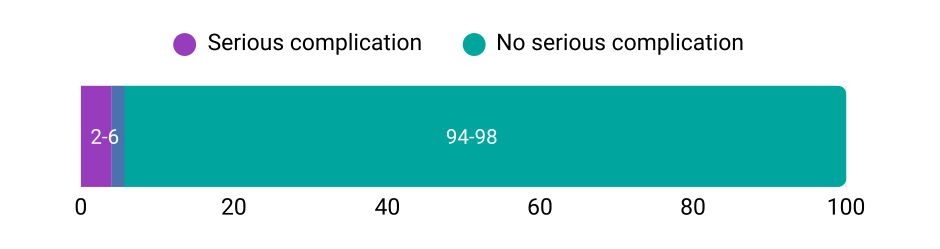
For every 100 adults with gallstones:
- 2-6 will have a serious complication within 5 years that needs urgent medical treatment
- 94-98 will not have a serious complication in 5 years
When should I see a doctor about gallstone symptoms?
Make an appointment to see your GP if:
- You have ongoing symptoms of gallstones
- You may have had biliary colic
When to get urgent help
Call NHS 111 or go to A&E if someone:
- has severe pain, and nothing seems to be helping it
- gets jaundice (a yellow colour to the eyes or skin) for the first time
- has a high temperature and severe tummy pain
Support
How Liver UK can help
A diagnosis of liver disease can be worrying, and you may have a lot of questions.
We're here for you and for your family and friends. Whether you have questions or just need someone to listen, we can help.

Your feedback
This content was last reviewed: June 2026
Our expert reviewers:
We would like to thank everyone who helped with creating and reviewing this page. Including Professor Stephen Ryder, consultant hepatologist at Nottingham University Hospitals NHS trust. And all our patient reviewers.
Find out how we make our patient information.
Everyone’s experience of liver disease will be different. Always talk to your specialist medical team for personal advice.
More from Liver UK

Check your risk
Find out more
Support us
Find out more
Keep up to date
Find out more