
What is PFIC?

Progressive familial intrahepatic cholestasis (PFIC) is the name given to a group of conditions in which a digestive fluid, called bile, is not released properly from the liver into the gut (gastrointestinal tract).
When the flow of bile reduces or stops, it builds up inside the liver. This is called cholestasis.
Cholestasis can damage the liver. The liver cells can start to die and are replaced with scar tissue (fibrosis). This may eventually lead to severe scarring of the liver, known as cirrhosis.
The information on this page is for:
- Parents of children with PFIC or suspected PFIC.
- Young people with PFIC
- Family, friends, carers, and healthcare professionals.
On this page:
How common is PFIC?
PFIC is a rare condition which affects around 1 in 50,000 to 1 in 100,000 people. It affects both males and females.
What is bile and why is it important?
Bile is a green/yellow liquid made by the liver. The colour is due to bilirubin, a natural waste product made when old red blood cells break down in the spleen.
Bile is made up of:
- bile acids (which help to digest fat)
- bilirubin (a natural waste product)
- cholesterol (a type of fat made in the liver)
- other fats
- water
- other waste products
Bile is made by the liver and stored in the gallbladder. When you eat food, the gallbladder releases bile through the bile ducts. It moves into a part of the small intestine called the duodenum. The bile helps your body break down food and remove waste products.
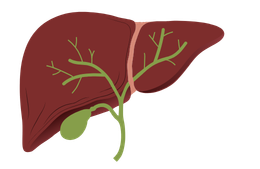
Bile has several important jobs:
- It helps the body digest food by breaking down fats
- It helps the body absorb vitamins A, D, E & K
- It helps the body get rid of waste products such as bilirubin and leftover cholesterol. Both pass out in the poo (stool).
PFIC happens when there are problems in the system which makes and releases bile. Retention of bile in the liver or bile ducts causes waste products to remain in the body. This damages liver cells.
How we can help
Support for you
We’re here to support anyone affected by liver disease, as well as their families and loved ones.

Your feedback
This content was last reviewed: March 2024
Our expert reviewers:
We would like to thank everyone who helped with creating and reviewing this page. This information has been produced with input from the three specialist paediatric liver centres in the UK. And with parents and families.
Find out how we make our patient information.
Everyone’s experience of liver disease will be different. Always talk to your specialist medical team for personal advice.
More from Liver UK

Check your risk
Find out more

Support us
Find out more
Keep up to date
Find out more