
What is
autoimmune disease?
Autoimmune conditions happen when someone’s immune system attacks part of their own body.
The information on this page is for:
- Adults and children with an autoimmune condition or suspected autoimmune condition.
- Family, friends, carers, and healthcare professionals.
The immune system is vital for keeping us well. Its job is to identify and destroy things in the body that should not be there.
It deals with countless bacteria and viruses every day. It also checks if the body’s own cells are damaged, clears up dead cells, and even checks for signs of cancer.
But it is a very complicated system, made up of lots of different parts. They all have different jobs, but they rely on each other to keep the whole system working.
Just like a complicated machine, a problem with one small part can cause a big issue.
On this page:
How does a normal immune system work?
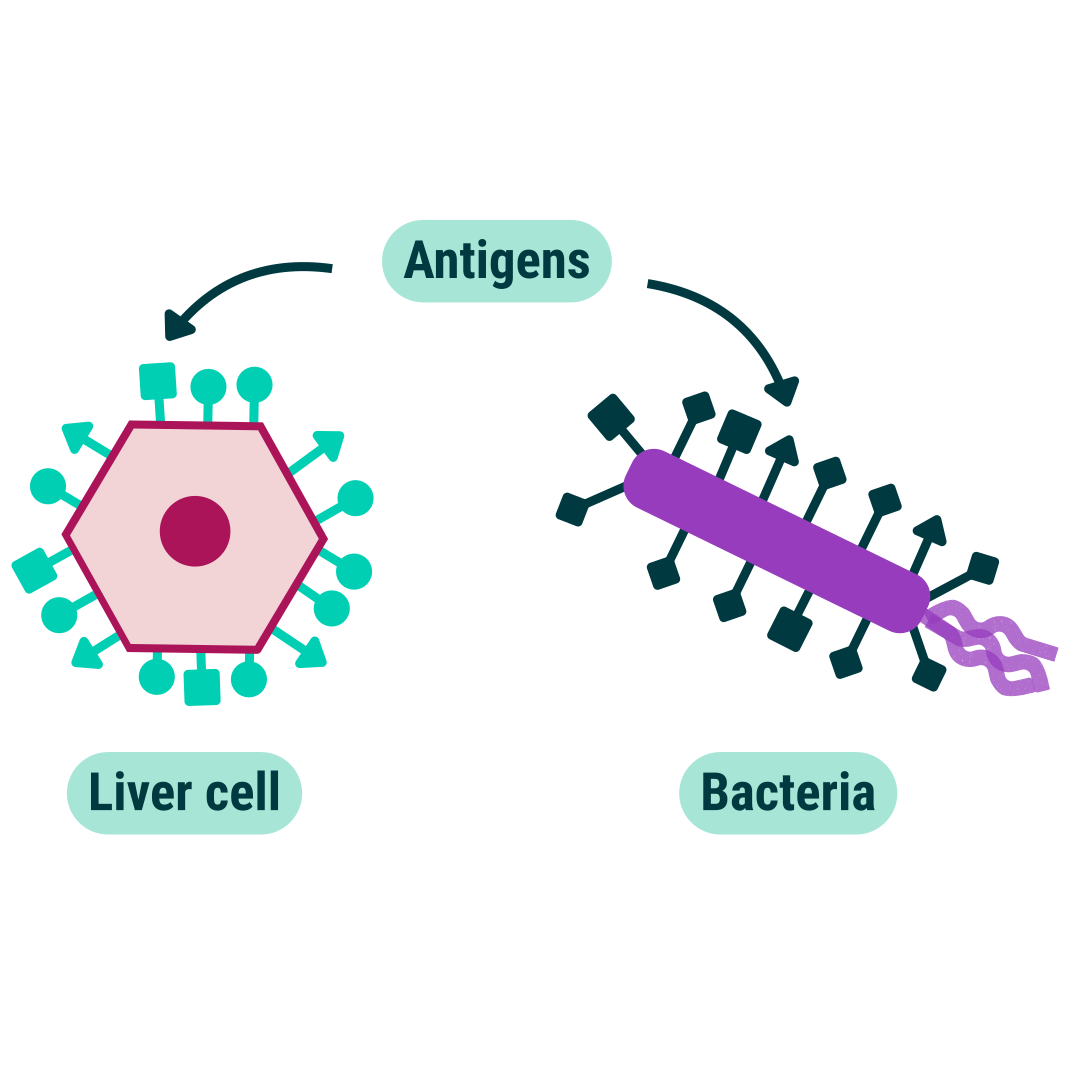
The immune system is constantly trying to work out what to attack. Ideally, it is fine-tuned to destroy anything that could be harmful. But will leave normal, healthy cells untouched. It does this by looking for markers, called antigens.
Antigens
An antigen is any molecule that the immune system can recognise.
Bacteria, viruses, and other things that can cause infections all have different antigens.
The body’s own cells carry lots of different antigens on their surface. Different types of cells have different antigens. These antigens can change if a cell is infected or damaged.
The immune system looks at these antigens to see if something should be in the body or not. A bit like checking an ID card.
These checks are done by immune cells and antibodies.
Antibodies
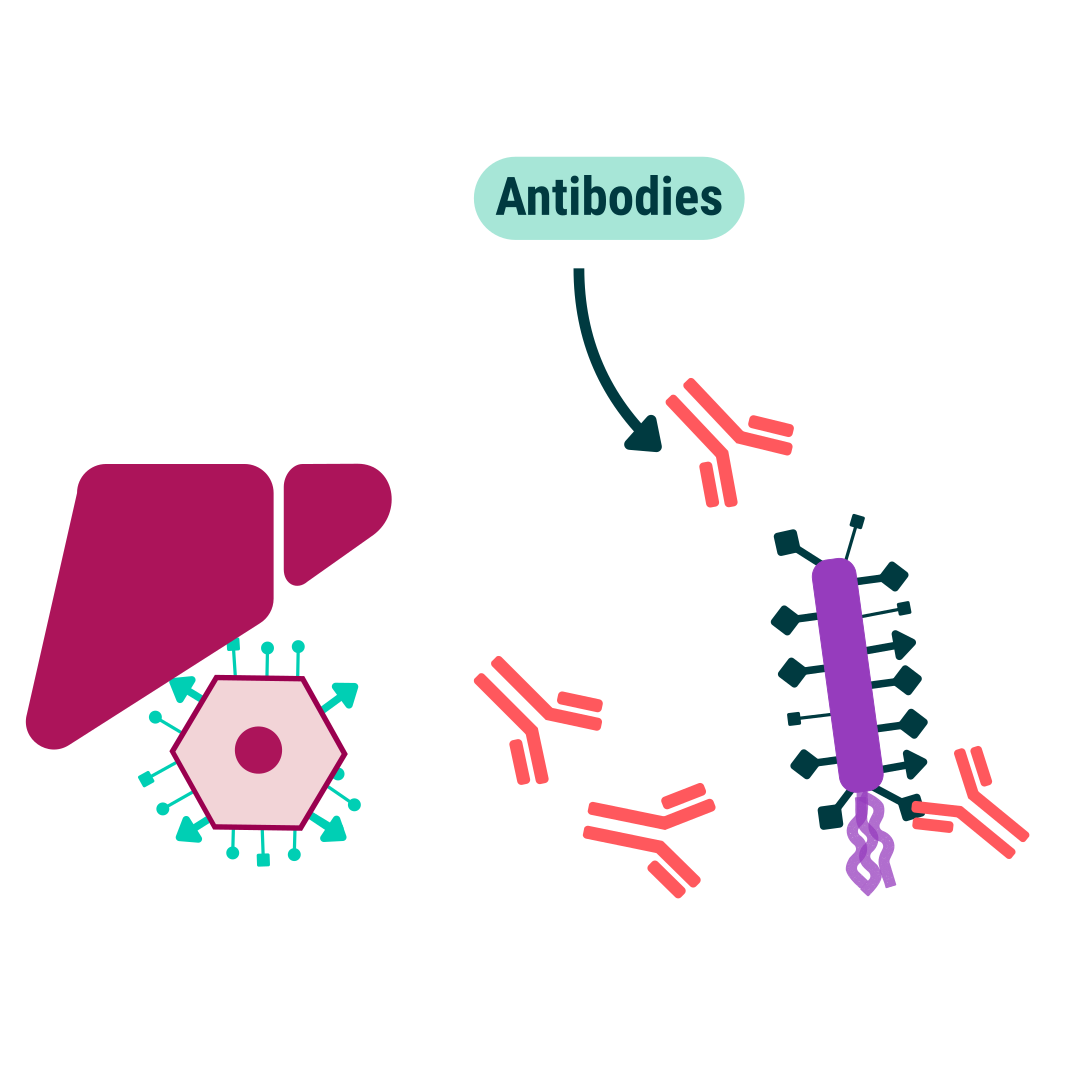
Antibodies are a type of protein. They are made by immune cells called B cells. It is thought that the human immune system can make about 10 billion different antibodies. All of these will stick to something different.
When an antibody sticks to an antigen it is like raising a red flag, calling on the immune system to attack.
T and B cells
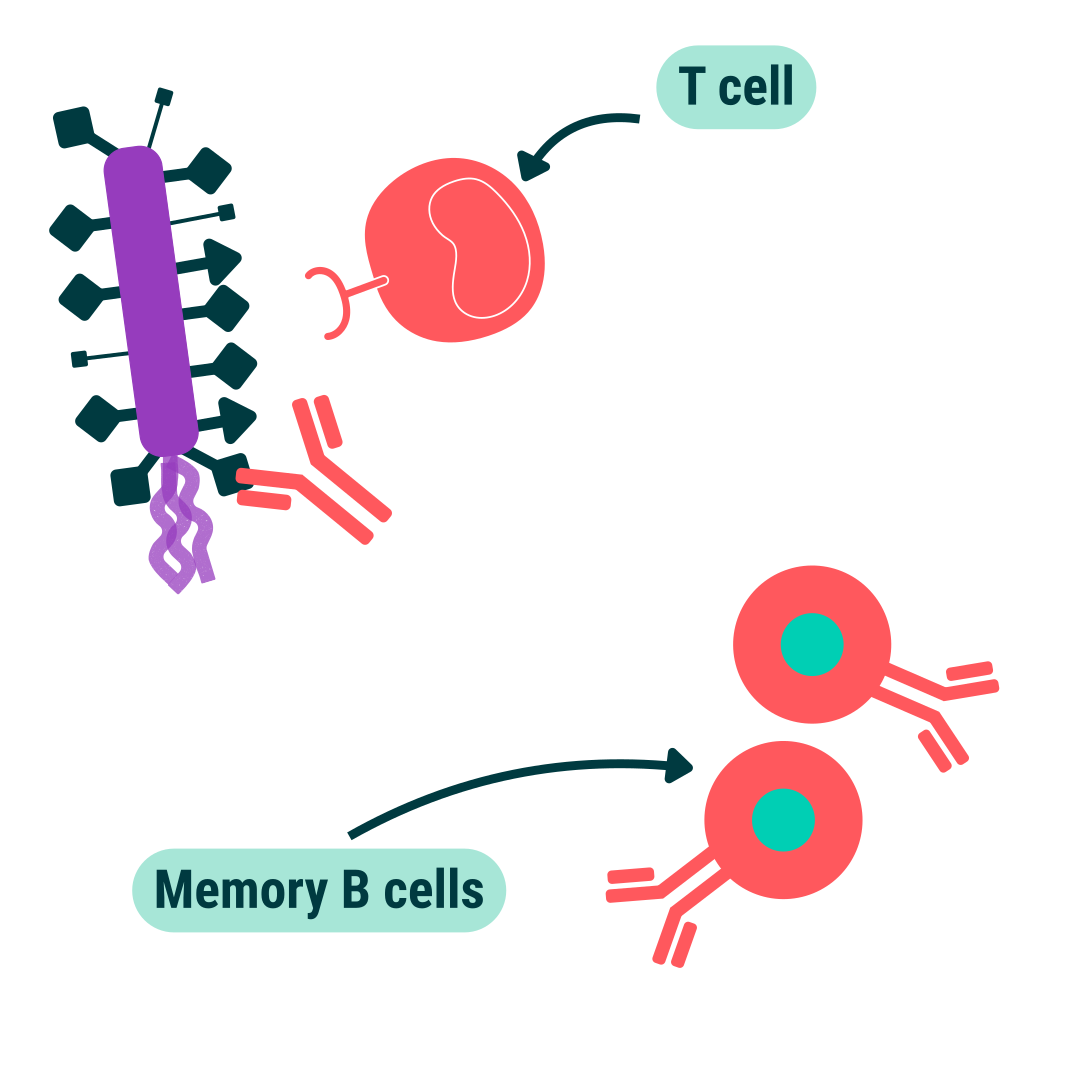
Immune cells called T cells will kill the cell that the antibodies have stuck to. Other parts of the immune system will clear up the mess.
The immune system also has cells called memory B cells. These remember the antigen and can stay on the lookout for it in the body for many years. So if someone gets the same infection again, the immune system will be ready and able to respond quicker. This is why people can become immune to some infections after having them the first time.
What goes wrong in autoimmune conditions?
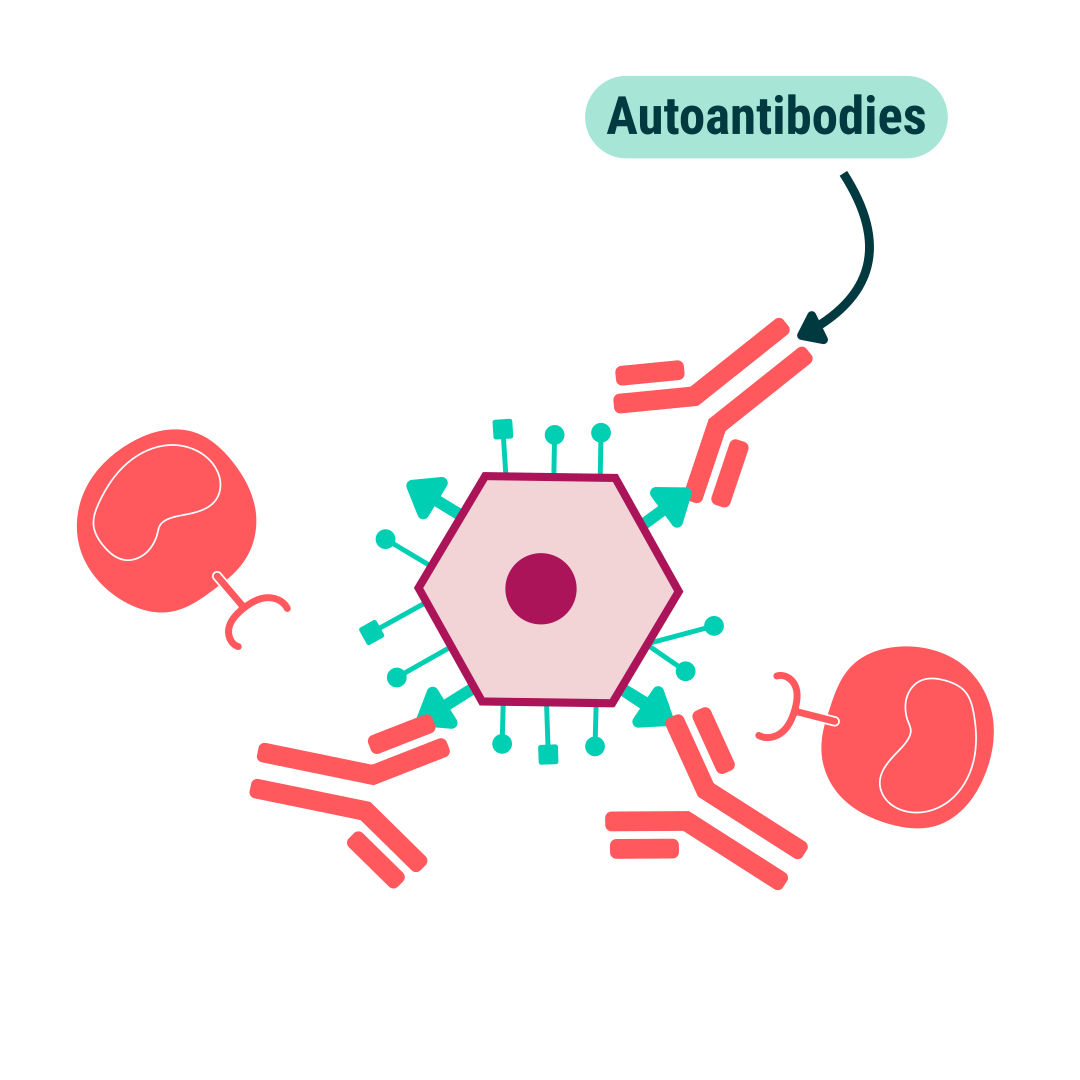
In autoimmune conditions, the immune system starts to make antibodies that stick to healthy cells. These are called autoantibodies.
Each different antibody will only stick to one very specific marker. So these rogue autoantibodies will stick to one type of cell in the body. For example cells found in the liver or bile ducts.
When this happens the immune system will treat those cells as dangerous and attack them. This damage then leads to liver disease.
What causes autoimmune conditions?
It is not always clear why someone develops an autoimmune condition.
Sometimes autoimmune conditions can run in families. This means there are small differences in the genes parents pass to their children. But these different genes do not usually cause autoimmune liver disease on their own.
The inherited change can increase someone’s risk. But an external trigger is usually needed to cause a problem.
The trigger is something from outside the body. Such as a virus, a severe side effect from a medicine, or something in the environment like cigarette smoke. We usually do not know what the trigger was for each person.
Developing one autoimmune condition could mean someone is more at risk of getting others.
Useful words
Antigen a marker on the surface of a cell or virus that can be used to identify it.
Antibody a protein that can stick to a specific antigen and trigger an immune response.
Autoantibody an antibody that sticks to normal healthy cells causing an autoimmune response.
B cell a type of white blood cell that makes antibodies, also called a B lymphocyte.
Memory B cell a type of B cell that remembers and looks out for an antigen that has been dealt with before.
T cell a type of white blood cell with lots of jobs, including killing cells that antibodies have stuck to. Also called a T lymphocyte.
Find out more
Autoimmune conditions in adults
Autoimmune conditions in children and young people

Autoimmune disease
Support
How Liver UK can help
A diagnosis of liver disease can be worrying, and you may have a lot of questions.
We're here for you and for your family and friends. Whether you have questions or just need someone to listen, we can help.

Your feedback
This content was last reviewed: July 2024
Our expert reviewers:
We would like to thank everyone who helped with creating and reviewing this page. Including Dr Neil Halliday, Senior Research Fellow, University College London, Honorary Consultant Hepatologist, Royal Free London NHS Foundation Trust. And all our expert clinical reviewers and all our patient reviewers.
Find out how we make our patient information.
Everyone’s experience of liver disease will be different. Always talk to your specialist medical team for personal advice.
More from Liver UK

Check your risk
Find out more

Support us
Find out more

Keep up to date
Find out more