
It is natural to want to protect children when someone close to them is seriously ill. But even young children will pick up that something is wrong. Not knowing what it is can be scary and lonely. Children can feel like they must not talk to you about it.
Starting the conversation with a child lets them know that you trust them. And that they can come to you when they are worried.
The information on this page is for:
- Adults with a liver condition
- Family, friends, carers, and healthcare professionals.
On this page:
How to talk to children about their loved one’s condition.
If you have more than one child, try to talk to them together. This stops them feeling that they have been told more or less than their siblings. You might need to tell children about someone else’s liver condition. If this is case it can help to have the conversation when the person with the condition is also there. This helps children to know that it is ok to talk to both of you.
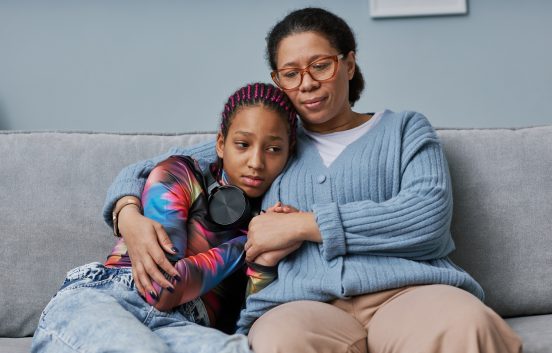
Pick a time and place where the children are likely to feel able to talk.
Pick a moment when there is no immediate pressure on your time. It can be easier to start a difficult conversation while they are doing something. Like walking the dog, or drawing. This allows them to look away from you if they feel awkward and can make it easier for them to ask questions.
Take it at the child’s pace.
Do not try to explain everything in detail in one go. To start with find out what they know. Let them lead the conversation and ask questions. Try to answer as honestly as you can. You might have to come back another time and talk about the same things. Or answer the same questions several times.
Let them know that there are no silly questions
Children can react in very different ways. Some will focus on practical issues. Some might be worried that they or another loved one will “catch” the same condition.
Let them know that it is always ok for them to talk to you. If possible, have other “safe” adults that they can talk to as well. This could be another family member or a teacher at school who knows what is going on.
Older children and teenagers might want lots of information. Help them to find reliable, accurate information by showing them this website, the NHS website and other major health charities.
Help them to carry on being a child.
Let them know that it is ok to laugh and have fun. Even if someone you love is very poorly. Encourage them to still spend time with friends and to carry on with their hobbies.
Older children might need to help a bit more at home. Let them know what you need and that you do not expect them to take over all the housework and care for younger siblings. Tell them that you really appreciate their help.
Get more help
Hope support services support young people aged 5-25 who have a family member with a life-threatening illness. They provide a safe online space for young people to talk to others in similar situations, online one-to-one support sessions, and can help you to find other services in your area.
Adfam offers support to
Support
How Liver UK can help
A diagnosis of liver disease can be worrying, and you may have a lot of questions.
We're here for you and for your family and friends. Whether you have questions or just need someone to listen, we can help.

Your feedback
More from Liver UK

Check your risk
Find out more
Support us
Find out more
Keep up to date
Find out more