
What causes
autoimmune hepatitis?
The causes of autoimmune hepatitis are not always clear. They are thought to be a combination of:
- Autoimmunity
when your immune system makes autoantibodies, which attack and damage your body’s own cells and organs
- Genetics
it can run in families, which may make it easier for a trigger to set it off
- External triggers
causes outside your body, such as getting a virus or taking certain medicines
The information on this page is for:
- Adults with autoimmune hepatitis or suspected autoimmune hepatitis
- Family, friends, carers, and healthcare professionals.
On this page:
Autoimmune hepatitis and your immune system
The immune system protects you from infections. Its main goal is to identify and kill things in your body that should not be there.
All the cells in your body carry markers called antigens. Different cells have different antigens. Bacteria, viruses, and other things that can cause infections all carry different antigens too. Your immune system uses these antigens to check if something should be in your body or not. Like checking an entry ticket.
The main defenders in a healthy immune system are white blood cells. These include B cells and T cells, together these are called lymphocytes.
B cells look for antigens that should not be there. If they find one, they produce antibodies that will lock on to the antigen. This is like putting up a flag. It tells T cells to kill the cell or virus with the antigen. Some T cells are called ‘killer T cells’.
After they are made, antibodies will stay in your body in case you have to fight the same thing again. The most common antibody is immunoglobulin G (IgG).
When you have autoimmune hepatitis, your immune system can also be triggered by your own cells. Your B cells also produce antibodies that stick to antigens on your own cells. These are called autoantibodies. This makes your T cells attack your own healthy liver cells. And this damages your liver and causes inflammation.
You will usually have more IgG in your body if you have autoimmune hepatitis. You will be tested for this when you are being diagnosed and to monitor how your body is responding to treatment.
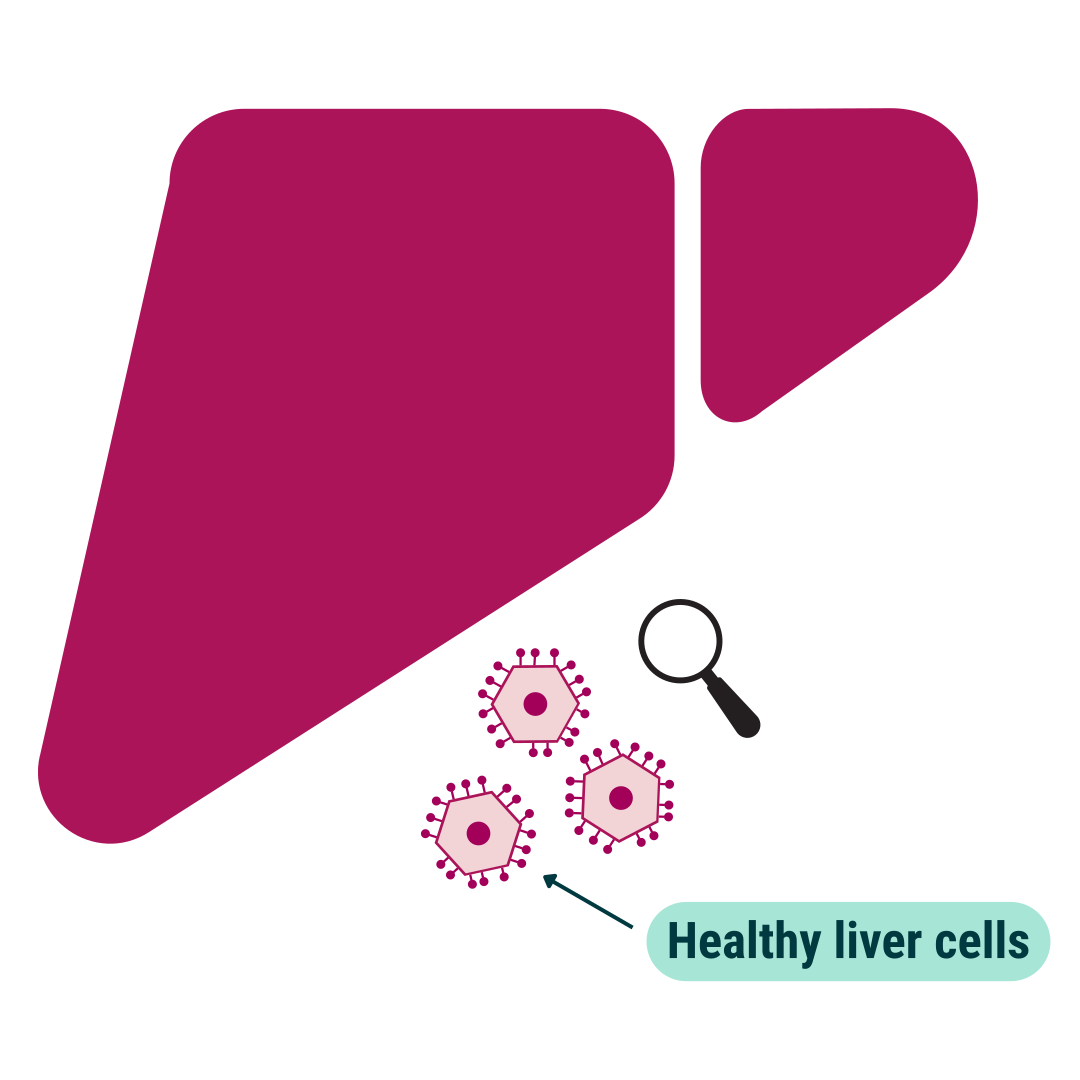
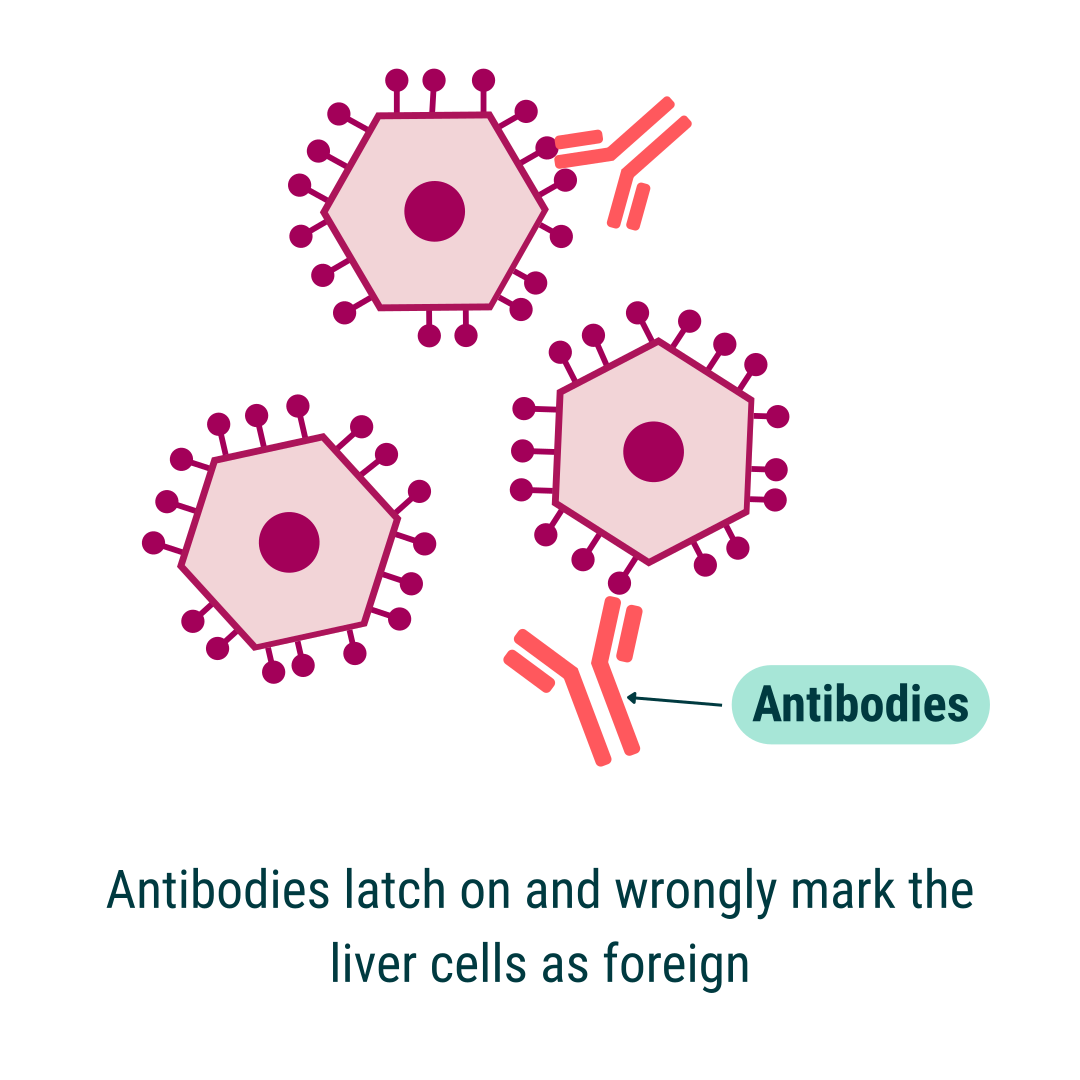
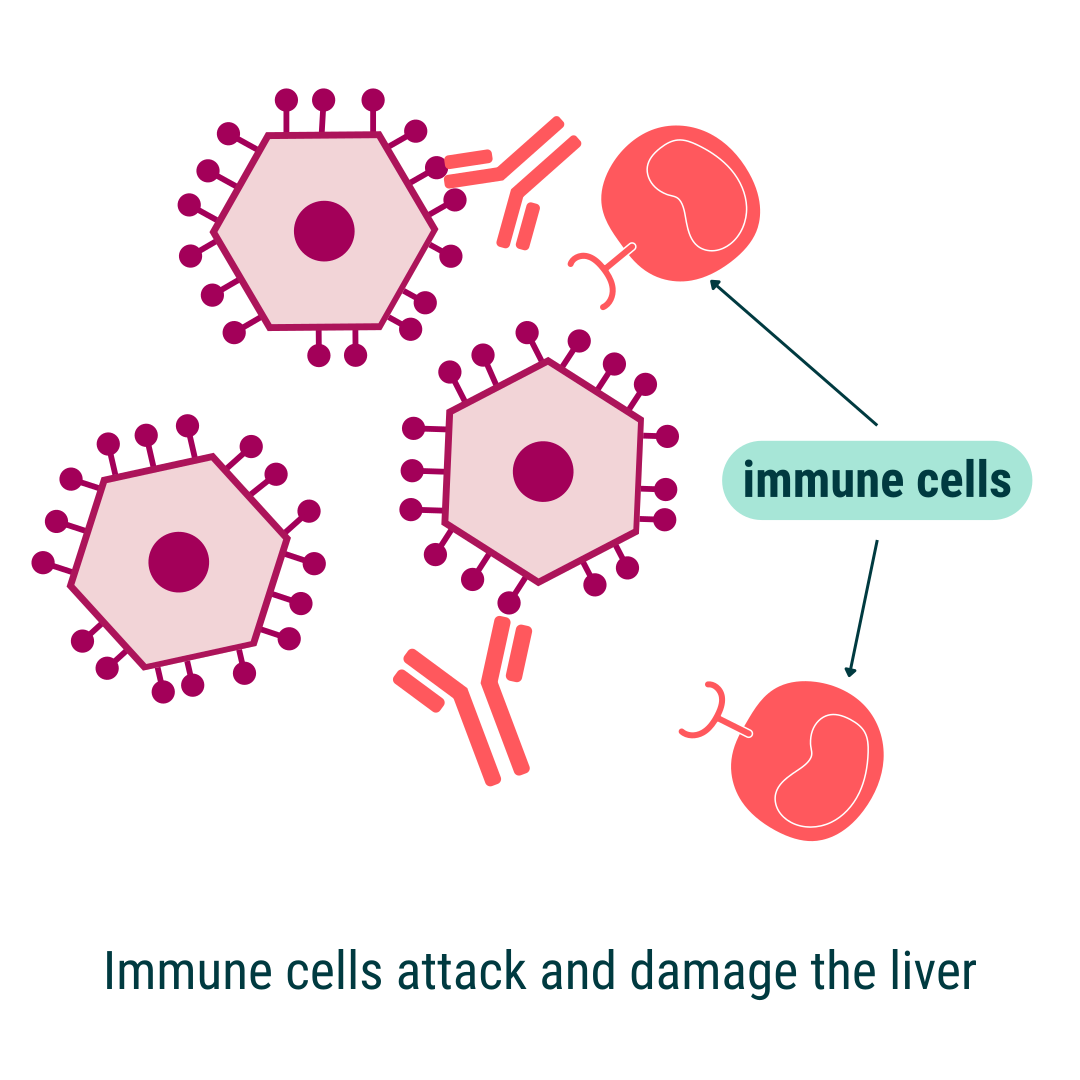
When you are being treated for autoimmune hepatitis, your medicines act as a sheild against your body’s immune system. This reduced the inflammation and protects your liver.
Overlap syndromes
Some people with autoimmune hepatitis will have another type of liver disease. This is called an overlap syndrome. The most common liver diseases that overlap with autoimmune hepatitis are:
Primary biliary cholangitis (PBC).
Primary sclerosing cholangitis (PSC).
Metabolic dysfunction-associated steatotic liver disease (MASLD or NALFD).
Your liver specialist can help you understand what an overlap syndrome means for you and your condition.
Support
How Liver UK can help
A diagnosis of liver disease can be worrying, and you may have a lot of questions.
We're here for you and for your family and friends. Whether you have questions or just need someone to listen, we can help.

Your feedback
This content was last reviewed: June 2023
Our expert reviewers:
We would like to thank everyone who helped with creating and reviewing this page. Including Dr Vikki Gordon, University Hospitals Coventry and Warwickshire NHS Trust and Sue Eldred, Wye Valley NHS Trust. Ann Brownlee, Chair of Trustees, AIH Support. And all our patient reviewers.
Find out how we make our patient information.
Everyone’s experience of liver disease will be different. Always talk to your specialist medical team for personal advice.
More from Liver UK

Check your risk
Find out more

Support us
Find out more
Keep up to date
Find out more