
TIPS is a surgical procedure to reduce the pressure in your portal vein.
Also called: transjugular intrahepatic portosystemic shunt or stent. You might also see it written TIPSS.
The information on this page is for:
- Adults with a liver condition
- Family, friends, carers, and healthcare professionals.
You might be offered TIPS if you have portal hypertension and:
- bleeding from varices (veins in your digestive system)
- ascites (swelling of your tummy) that cannot be controlled with water tablets
Like all surgeries, not everyone can have TIPS. To have the procedure you will need to have good liver and heart function. You will not be able to have TIPS if you have had a significant episode of a complication called hepatic encephalopathy (HE).
On this page:
What is a TIPS procdure?
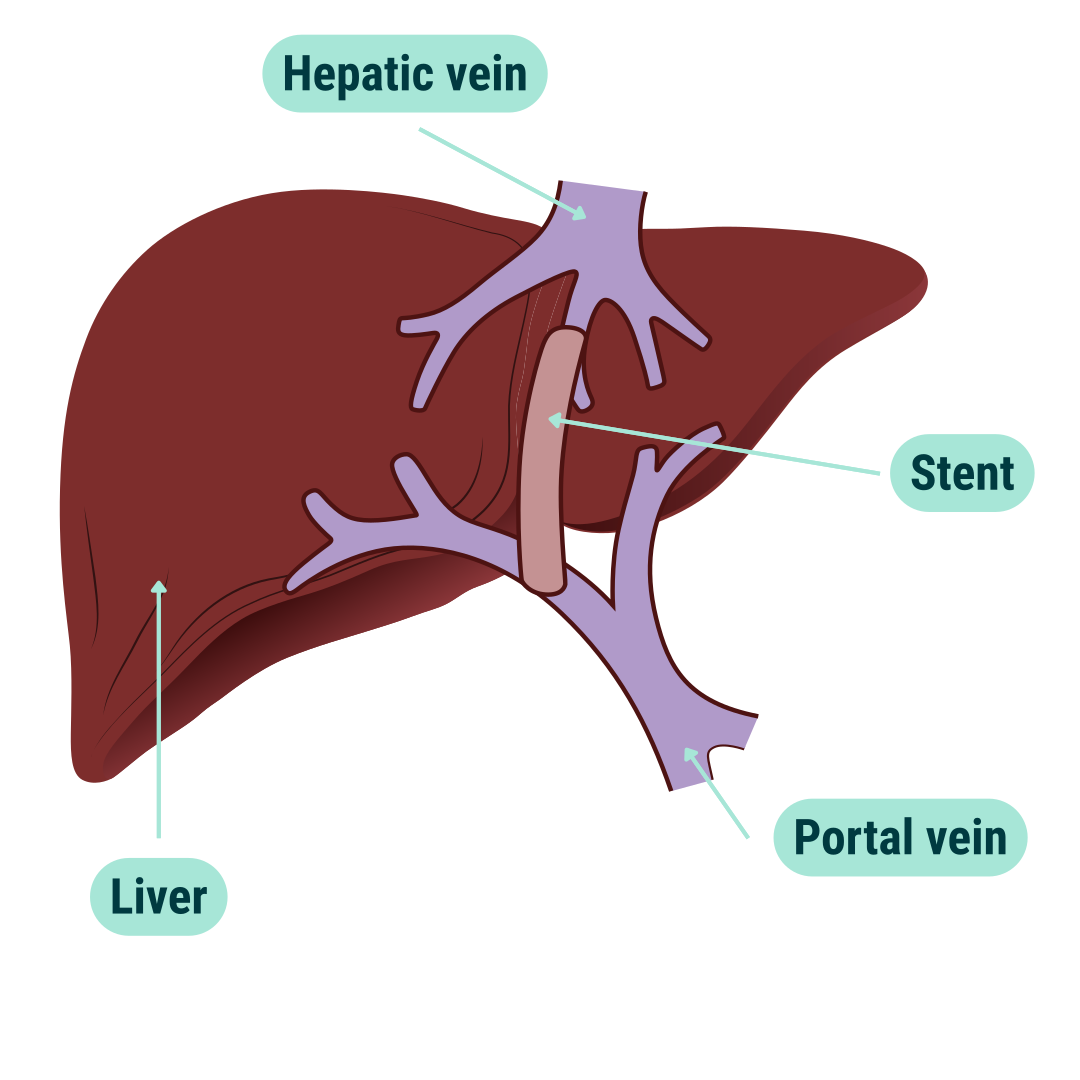
During the TIPS procedure a small tube is put into your liver. This is called a shunt or stent. It creates a “bypass”. This gives your blood an easy route from your portal vein straight into your hepatic vein.
What will happen during the procedure?
You may be asked to start taking a medicine called rifaximin 2 weeks before your procedure. You can find out more about this here.
You will probably go into hospital the day before your procedure. You will have blood tests and will be given some antibiotic medicine to prevent an infection.
You will not be able to eat or drink for around 6 hours before your operation. If this will be a problem, for example you live with diabetes, ask your medical team for advice.
Before the procedure you will be given an anaesthetic. This is usually a general anaesthetic which means you will be asleep during the procedure. Sometimes sedation is used instead. This is medicine to make you feel calm and sleepy. The procedure usually takes between 1 and 3 hours.
Find out more about anaesthetics and sedation.
Once you are asleep a thin hollow needle will be placed into one of your veins. This is usually a vein in your neck called your jugular vein.
A flexible wire will be passed through this needle. The medical team will use X-rays to guide them as they thread the wire through your veins and into your hepatic vein.
They will then push the wire across your liver to your portal vein. They will usually use scans to help with this.
The wire acts as a guide. A small expandable metal tube called a stent is threaded along the wire to form a tunnel between the two veins in your liver. The tube stays in your liver and the wire is then removed.
You might also have an injection into an artery in your groin. This is to add a dye to your arteries to help the medical team get the wire and stent in the right place.
After the procedure
- You may have a small plastic tube in the vein in your neck for about 24 hours.
- You might have a bruise or feel a bit achy where the needle was put in.
- You may be able to go home the same day.
Most people will be asked to come back to hospital for an ultrasound scan to check the TIPS is working properly. Before you go home ask when this will be and who you can contact if you have any questions before your appointment.
It can take up to 6 months for you to get the full benefit of the TIPS procedure.
If you have had ascites, you may need to take water tablets. This is usually for 6 months. But some people still need to keep taking water tablets for longer than this.
What are the risks of the TIPS procedure?
As with any procedure there are risks for the TIPS procedure. These will be a bit different for everyone. So it is important to talk to your medical team about the risks and benefits of TIPS for you.
Hepatic encephalopathy
Also called HE
Hepatic encephalopathy is a complication of cirrhosis. It can start or get worse after a TIPS procedure.
It is caused by toxins that build up in the bowels and then get into the brain. This leads to symptoms including confusion, memory problems, or changes in personality.
The toxins that cause the problem should be removed from your blood as it passes through your liver. This stops them getting to your brain. But if your liver is not working properly because of scarring, it cannot remove those toxins properly.
If you have TIPS, some of the blood goes through the stent, missing the liver. So the toxins are not removed and can get into your brain.
There are medicines that can help with hepatic encephalopathy. You may be asked to take a medicine called rifaximin starting 2 weeks before your TIPS procedure. You will need to keep taking the medicine for 6 months and sometimes longer after your TIPS procedure.
If HE becomes a serious problem, you may need to have the TIPS tube narrowed or blocked.
Support
How Liver UK can help
A diagnosis of liver disease can be worrying, and you may have a lot of questions.
We're here for you and for your family and friends. Whether you have questions or just need someone to listen, we can help.

Your feedback
This content was last reviewed: March 2025
Our expert reviewers:
We would like to thank everyone who helped with creating and reviewing this page. Including Dr Victoria Kronsten, Senior Clinical Research Fellow in Hepatology, King’s College Hospital, Katharine Caddick, Consultant Nurse, North Bristol Trust, Dr Vishal Patel, Consultant Hepatologist, Kings College hospital. And all our patient and clinical reviewers.
Find out how we make our patient information.
More from Liver UK

Check your risk
Find out more

Support us
Find out more
Keep up to date
Find out more