
How are liver problems treated in Algille syndrome?

Alagille syndrome (ALGS) is a rare genetic condition. It mainly affects the liver, but can also affect other parts of the body, including the heart, kidneys, eyes, face, skeleton and blood vessels.
The information on this page is for:
- Parents of children with Alagille syndrome or suspected Alagille syndrome.
- Young people with Alagille syndrome.
- Adults with Alagille syndrome.
- Family, friends, carers, and healthcare professionals.
There is no cure for Alagille syndrome, but dietary support, medicines and other treatments can help manage liver symptoms and complications. Each child may need a different set of treatments.
Poor bile flow from the liver (cholestasis) is usually worst in the first few years of life. It may improve as your child grows and symptoms like itching and yellow skin patches may improve. But this isn’t the case for every child.
Alagille syndrome can be serious, especially if treatments don’t work. But it is hard for doctors to predict whose liver disease will respond to treatment.
Your child will be closely monitored with regular clinic appointments, blood tests and scans.
On this page:
Dietary support
Children with Alagille syndrome often need extra calories and nutrition because normal eating and drinking aren’t enough.
Extra support from the medical team may include:
MCT formulas and diets
Medium chain triglycerides (MCT) are types of fat that are easier to absorb and provide good amounts of energy. Your child’s dietitian will recommend special milk formulas and MCT supplements. They will also offer a list of suitable foods if your child is older.
Find out more about nutrition
Fat-soluble vitamins (vitamins A, D, E and K)
Children with Alagille syndrome may have trouble absorbing vitamins A, D, E and K from food. If your child needs extra vitamins, they are usually given as tablets. If the tablets don’t work well, they can be given as injections.
Find out more about nutrition
Nasogastric feeding
If your child needs more calories or isn’t growing well, they may need extra nutrition through a tube. This means placing a thin, soft tube up their nose and into their stomach. The tube connects to a pump so your child can be fed a special milk formula, often overnight. Parents and carers are often taught how to do this at home.
For long-term feeding, the medical team may suggest a gastrostomy tube, which goes directly into the stomach through the tummy.
Find out more about nutrition
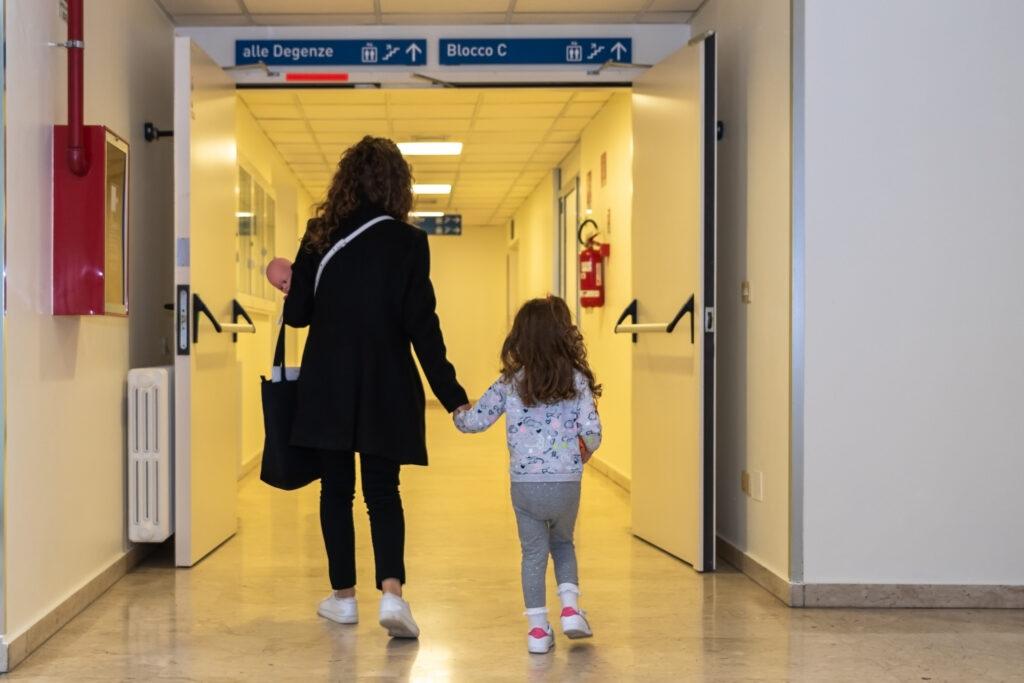
I was so worried about him getting a PEG feeding tube but we knew it was the best thing for him. He’s now doing well and consistently gaining small amounts of weight.
Liver medicines
Medicines are used to try and improve bile flow and relieve symptoms. Doctors often focus on reducing severe itching because this can have such an impact on a child’s daily life.
Some medicines for Alagille syndrome are used “off-label”. This means they were made for other conditions, but can sometimes help in Alagille syndrome. Your child may need to try different medicines or combinations to see what works best. Sometimes, medicines only help for a short time. It’s also important to remember that they may have side effects.
Medicines may include:
Urodeoxycholic acid (URSO)
URSO is a bile salt found naturally in small amounts in bile. Taking it as a medicine can help improve bile flow out of the liver. This may help reduce jaundice and itching.
Rifampicin
Rifampicin is not approved for Alagille syndrome, but liver doctors often use it to treat severe itching. It is red in colour and can turn wee, spit, tears and sweat orange/red. This side effect is harmless.
Cholestyramine
Cholestyramine mixes with bile acids in the small intestine and stops them going back into the bloodstream. In some children, this helps reduce itching. Your child should take this medicine at a different time of day to any vitamin supplements.
Cholestyramine has an unusual taste and texture. If your child struggles to take it, ask your hospital team for advice.
Antihistamines
Antihistamines are sedatives that can help your child sleep if severe itching keeps them awake at night.
Ileal bile acid transporter (IBAT) inhibitors
IBAT inhibitors are medicines that block a protein called the ileal bile acid transporter (IBAT). This protein usually moves bile acids from the intestines back to the liver. By blocking it, IBAT inhibitors lower the amount of bile acid that builds up in the liver. Clinical trials suggest this may reduce itching, limit liver damage and reduce the need for a liver transplant.
IBAT inhibitors are only considered if other medicines don’t work. Access to this type of medicine is only available through specialist services. Access may also be different around the UK. Talk to your medical team for more information.
Other medicines
Other medicines that may sometimes be used include:
- naltrexone
- odansetron
- SSRIs (selective serotonin reuptake inhibitors)
Surgical treatments
Surgical treatments have been used in the past to try and manage the severe symptoms of Alagille syndrome. The surgeries include:
- partial external biliary diversion (PEBD)
- partial internal biliary diversion (PIBD)
- ileal exclusion (IE)
These operations may be used in a small number of children, but are becoming less common. Doctors prefer to use medicines to manage symptoms wherever they can because surgeries are invasive and may not always work well. New medicines now provide alternative treatments for symptoms like itching and xanthomas.
Liver transplant
A liver transplant will only be considered if your child has one of the following:
- cirrhosis
- liver failure
- severe symptoms that lower their quality of life and cannot be managed with other treatments
A liver transplant is an operation to replace a damaged liver with a healthy one from a donor. Children may receive a whole, split or reduced liver from a deceased donor, or part of a liver from a living donor.
For children with Alagille syndrome, a liver transplant can be more complex because they may have other issues with the heart, kidneys or blood vessels.
A successful liver transplant can save a child’s life and will greatly improve their quality of life. However, it is important to remember that a liver transplant is a major operation. It is only done after the benefits and risks have been carefully weighed up. Even after a successful transplant, children need lifelong medicines and regular follow-up appointments.

Support
How Liver UK can help
A diagnosis of liver disease can be worrying, and you may have a lot of questions.
We're here for you and for your family and friends. Whether you have questions or just need someone to listen, we can help.
Your feedback
This content was last reviewed: July 2026
Our expert reviewers:
We would like to thank everyone who helped with creating and reviewing this page. Including Professor Alistair Baker, Consultant Paediatric Hepatologist, King’s College and Lindsay Hogg, Principal Specialist Nurse, Birmingham Women’s and Children’s Hospital. And all our parent and family reviewers.
Find out how we make our patient information.
Everyone’s experience of liver disease will be different. Always talk to your specialist medical team for personal advice.
More from Liver UK

Check your risk
Find out more
Support us
Find out more
Keep up to date
Find out more