
Liver symptoms in Alagille syndrome

Alagille syndrome (ALGS) is a rare genetic condition. It mainly affects the liver, but can also affect other parts of the body, including the heart, kidneys, eyes, face, skeleton and blood vessels.
The information on this page is for:
- Parents of children with Alagille syndrome or suspected Alagille syndrome.
- Young people with Alagille syndrome.
- Adults with Alagille syndrome.
- Family, friends, carers, and healthcare professionals.
Liver symptoms are different for each child with Alagille syndrome. Some children have no liver problems and others have only mild symptoms. Sadly, some children face more severe liver issues with serious symptoms and complications.
Liver symptoms may include:
On this page:
Itching (pruritus)
This is a serious symptom of Alagille syndrome that happens when bile salts build up in the body. It often starts in the first two years of life.
The level of itch is different for each child. In some children, the itch is mild, but for others it causes severe discomfort and can have a huge impact on their quality of life.
Itching is usually felt all over the body, but it can come and go in phases or in different seasons.
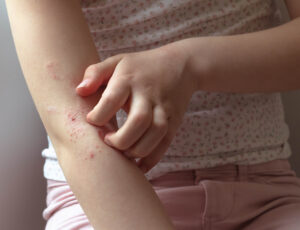
Problems from severe itching may include:
- skin damage
- disturbed sleep
- tiredness
- irritability
- poor attention
- loss of appetite
- feeling sick (nausea)
- being sick (vomiting)
Itching can be very hard for families to manage. See our webpage on pruritus for more information and links to support services.
Xanthomas
Xanthomas are yellow bumps on the skin caused by fats that build up beneath the surface. They are usually found around joints like the elbows, knees and knuckles. In some children, xanthomas spread across the body, and they may hurt or change how the skin looks. The appearance can be upsetting for some children.
Jaundice
This is when the whites of the eyes and the skin turn yellow. It happens when bilirubin trapped in the liver passes back into the bloodstream.
Pale poo
Bile gives normal poo its dark colour. If there is less bile flow, this can result in pale poo.
Darker wee
A type of bilirubin called conjugated bilirubin passes out in the wee. This can make it look darker than normal.
Faltering growth
Children with Alagille syndrome often struggle to absorb fats and nutrients from food. This can make gaining weight more difficult, and they may grow more slowly than other children. Some children have a poor appetite or struggle with feelings of hunger.
Support
How Liver UK can help
A diagnosis of liver disease can be worrying, and you may have a lot of questions.
We're here for you and for your family and friends. Whether you have questions or just need someone to listen, we can help.
Your feedback
This content was last reviewed: July 2026
Our expert reviewers:
We would like to thank everyone who helped with creating and reviewing this page. Including Professor Alistair Baker, Consultant Paediatric Hepatologist, King’s College and Lindsay Hogg, Principal Specialist Nurse, Birmingham Women’s and Children’s Hospital. And all our parent and family reviewers.
Find out how we make our patient information.
Everyone’s experience of liver disease will be different. Always talk to your specialist medical team for personal advice.

More from Liver UK

Check your risk
Find out more
Support us
Find out more
Keep up to date
Find out more