
Ascites
in children

Ascites is swelling of the belly (abdomen) with fluid. It is a serious symptoms of liver disease. It can be caused by portal hypertension.
The information on this page is for:
- Parents of children with ascites.
- Young people with ascites.
- Family, friends, carers, and healthcare professionals.
Find out more about ascites in adults
How to say it: ah-SY-tees
On this page:
What is ascites?
Ascites is a collection of fluid which gathers around abdominal organs and gives children a swollen tummy. It can be caused by portal hypertension. It can also be associated with oedema, which is swelling in tissues in other areas of the body. Oedema is more likely to occur around the eyes and face and in the feet, ankles and legs.
Causes
Ascites can be caused by:
Less albumin (a protein) being made by the liver
Albumin helps to keep fluid within blood vessels. If the liver produces less albumin, its levels fall and fluid leaks out of blood vessels and collects in cavities and tissues in the body. When the fluid collects in the abdomen it is known as ascites. The fluid can also leak into the space between the lungs and the chest wall, which is known as pleural effusion.
Increased pressure within blood vessels
Portal hypertension raises blood pressure in the veins around the abdominal organs, which leads to fluid leaking into the abdomen.
Salt being retained in the body
This can contribute to a build-up of fluid in the tissues and body cavities.
Signs and symptoms
Signs and symptoms may include:
- a protruding tummy – signs of this can be the need for bigger clothes or nappies. Sometimes the belly button can be pushed outwards (umbilical hernia).
- shiny, tight skin over the swollen tummy
- visible veins beneath the skin on the tummy
- quick weight gain which is not due to normal growth
- shortness of breath
- loss of appetite (eating less)
Diagnosis
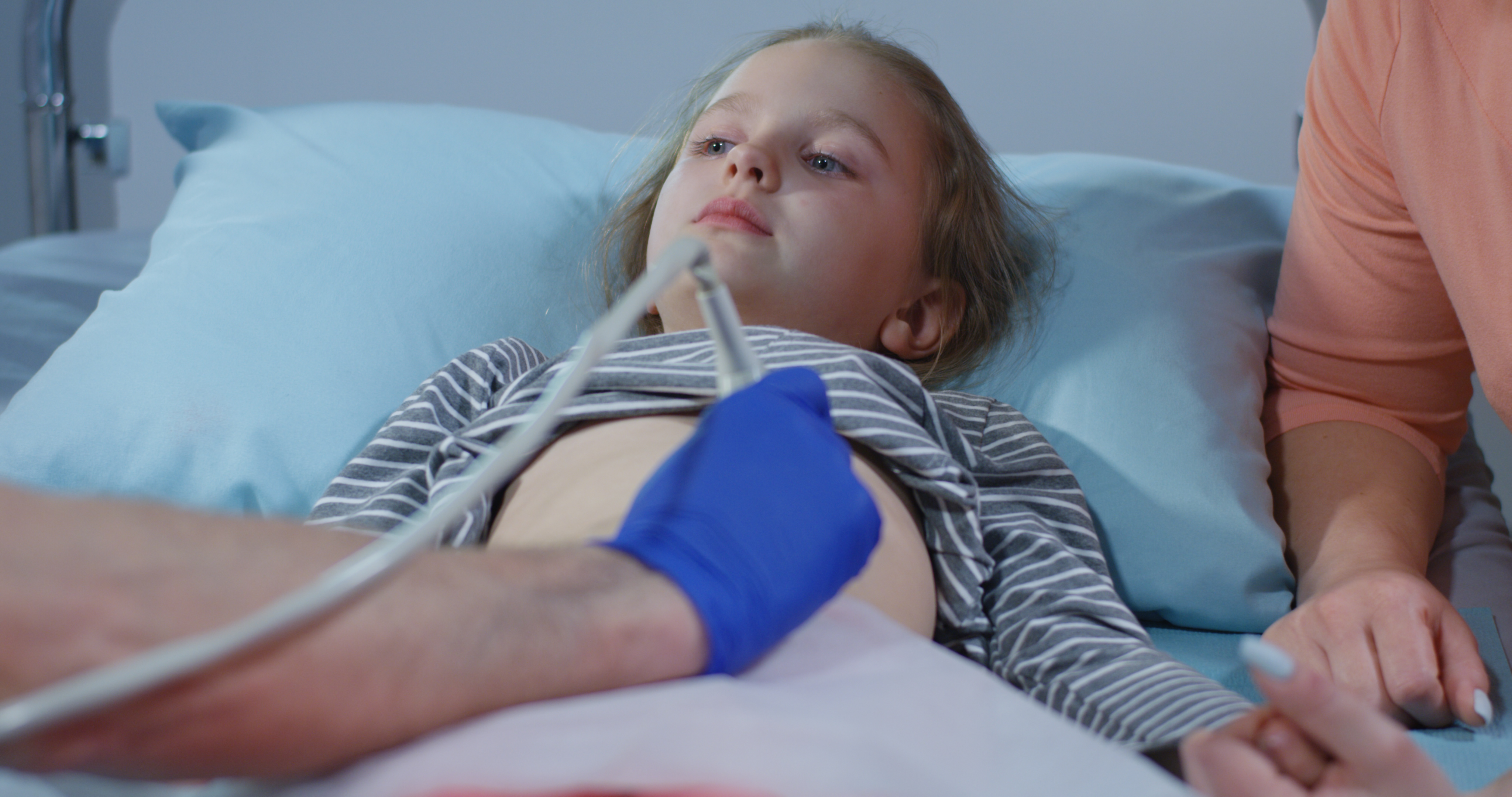
A diagnosis can be made by a doctor examining your child or by using an ultrasound scan.
Possible complications
Complications may include:
Poor nutritional progress
Fluid in the abdomen can make children feel full very easily. They may eat smaller portions and may vomit because there is less space in the abdomen. A dietitian will be able to advise and support you.
Infection
The fluid in the abdomen can become infected by bacteria. This is called spontaneous bacterial peritonitis.
Any fever accompanied by pain or tenderness in the abdomen should be reported to the medical team immediately. This is usually treated with intravenous antibiotics.
Restricted movement
The movement of small children and toddlers can be restricted due to their enlarged tummies. This means they may not develop as quickly as expected. A physiotherapist can advise you on exercises and activities to help support your child’s development and progress.
Breathing difficulties
Ascites can sometimes make breathing difficult as there is less room for the lungs to expand. It’s important to inform the medical team if this is a problem. Sitting in a more upright position can help as well as using extra pillows when in bed.
Treatment
There are different treatments available to help manage ascites, although they won’t cure the underlying cause.
Medicines
A diuretic may be prescribed. This is a medication which helps the body get rid of extra fluid and will mean your child needs to urinate (wee) more often. A diuretic called spironolactone is commonly used.
Children taking diuretics have an increased risk of becoming dehydrated (not having enough fluid) if they have vomiting or diarrhoea. This should be reported to their doctor, as well as the fact that they are on diuretics and have liver disease.
Nutrition and diet
A dietitian may recommend changes to your child’s diet to make sure they are getting enough nutrients and energy to support healthy growth. It is also important to reduce the amount of salt in their diet. Too much salt can make ascites worse. Try not to add salt to food and avoid foods that are high in salt, such as crisps.
Fluids
Your child may be advised to drink less fluid. This should only be done if recommended by your child’s medical team. A doctor and dietitian will let you know if this is needed and will advise you on how much your child should drink.
Albumin replacement
If the level of albumin in the blood is very low it might be necessary to give your child albumin. This is done through a drip and it may need to be repeated on several occasions.
Drainage of excess fluid (ascitic tap)
A thin needle is passed into the cavity in the abdomen. This is then attached either to a drain or to a syringe. A local anaesthetic is used to numb the area where the needle will be placed. This procedure is done using an ultrasound scan for guidance.
Support
How Liver UK can help
A diagnosis of liver disease can be worrying, and you may have a lot of questions.
We're here for you and for your family and friends. Whether you have questions or just need someone to listen, we can help.

Your feedback
This content was last reviewed: December 2020
Our expert reviewers:
We would like to thank everyone who helped with creating and reviewing this page. This information has been produced with input from the three specialist paediatric liver centres in the UK. And with parents and families.
Find out how we make our patient information.
Everyone’s experience of liver disease will be different. Always talk to your specialist medical team for personal advice.
More from Liver UK

Check your risk
Find out more

Support us
Find out more
Keep up to date
Find out more