
Portal hypertension
in children

Portal hypertension happens when pressure builds up in a major vein coming into the liver. It is a complication of liver disease and can cause other serious problems.
Also called: portal vein hypertension
The information on this page is for:
- Parents of children with portal hypertension.
- Young people with portal hypertension.
- Family, friends, carers, and healthcare professionals.
On this page:
What is portal hypertension?
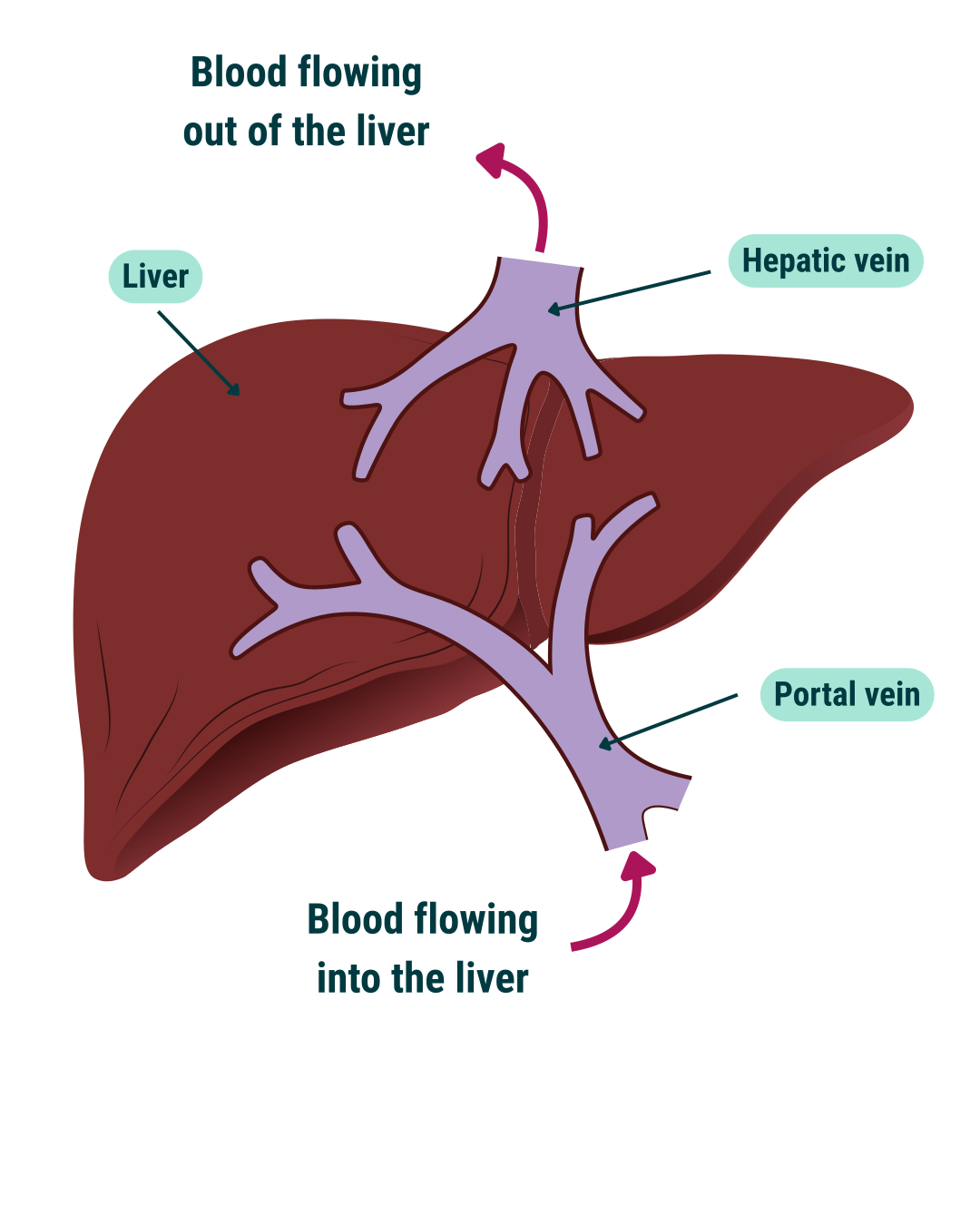
Hypertension means high blood pressure. Portal hypertension is high blood pressure in the portal vein. This is a major vein going into the liver.
What causes portal hypertension?
Portal hypertension happens when blood has difficulty flowing through the liver. This causes pressure to build up in the blood vessels that carry blood to the liver.
The main causes of this happening are:
- A blockage in the portal vein. This can happen if a blood clot (thrombus) stops blood from passing through the portal vein. This is called portal vein thrombosis. In this situation the liver may be completely normal and healthy.
- Scarring in the liver due to cirrhosis or fibrosis. Cirrhosis occurs as liver cells are damaged and die. They are then replaced with scar tissue (fibrosis).
Occasionally, a blockage of the hepatic vein draining blood from the liver can cause increased pressure in the portal vein, but this is not common in children.
Signs and symptoms
Portal hypertension often causes no symptoms. However, if it causes serious symptoms or complications, it may be described as severe or complicated portal hypertension.
The increased pressure in the affected blood vessels can also affect other areas of the body. Potential problems include:
An enlarged spleen (splenomegaly)
The spleen is connected to the liver by a vein that joins the portal vein. When there is increased pressure in the portal vein, this can also affect the spleen and cause it to become enlarged.
The spleen’s job is to break down old blood cells. When it gets larger it removes more blood cells than it should. This includes a type of blood cell called platelets which help to stop bleeding. Not having enough platelets can lead to bruising and nosebleeds.
Abdominal swelling
Ascites can cause your child’s tummy to become swollen or suddenly increase in size. Ascites is a build-up of fluid in the tummy (abdomen). Portal hypertension can cause ascites because the increased pressure in the blood vessels can push fluid into the space around the organs.
Abdominal swelling can also be caused by the spleen and liver getting larger. If this is the cause, the tummy is not normally as swollen as it is with ascites.
Noticeable veins under the skin of the tummy
Veins may become more visible under the skin of the tummy when it is swollen. They can also become more noticeable when blood flow through the portal vein is blocked. The blood then finds other routes back to the heart, causing new veins to develop. When these veins are close to the surface of the skin, they may be visible.
Varices
As well as veins becoming visible over the surface of the tummy, other veins can become enlarged, especially in the digestive tract (the oesophagus, stomach and intestine). These are called varices. They look similar to varicose veins which people can have in their legs. When these form in the food pipe (oesophagus), stomach or rectum they can bleed as they have thin walls.
Varices have thin walls and may bleed. If bleeding occurs, your child may become tired, short of breath or look pale. Blood might appear when your child is sick and may also appear in their stool (poo). This can make it appear bloodstained or black. If there is heavy bleeding, your child may have tummy pain, feel dizzy or faint, or collapse.
Whatever the sign of bleeding, seek emergency medical advice by calling 999.
Diarrhoea and poor weight gain
The blood vessels which line the intestine can become swollen as blood flows through them under a high pressure. This can lead to fewer nutrients and less fluid being absorbed from food travelling through the intestine leading to diarrhoea and poor weight gain.
Diagnosis
There are tests which can be done to find out whether your child has portal hypertension. These include:
A general physical examination
Ultrasound scan
This is the same scan pregnant women have. It is used to measure the size of the liver and the spleen. If the spleen is larger than expected, this may suggest your child has portal hypertension. The scan can also be used to check the direction of the blood flow in the veins around the liver.
Endoscopy
A flexible tube, called an endoscope, is passed into the mouth, down the oesophagus, and through the stomach and intestine. This allows the doctor to look directly at the lining of the digestive tract to see if there are varices. This is usually done under general anaesthetic (where your child is completely asleep) or under sedation (where your child has drugs to make them sleepy and relaxed).
Colonoscopy
This is similar to the endoscopy but the tube is passed up the anus to examine the lower intestine. It is often not needed to make a diagnosis.
Blood test
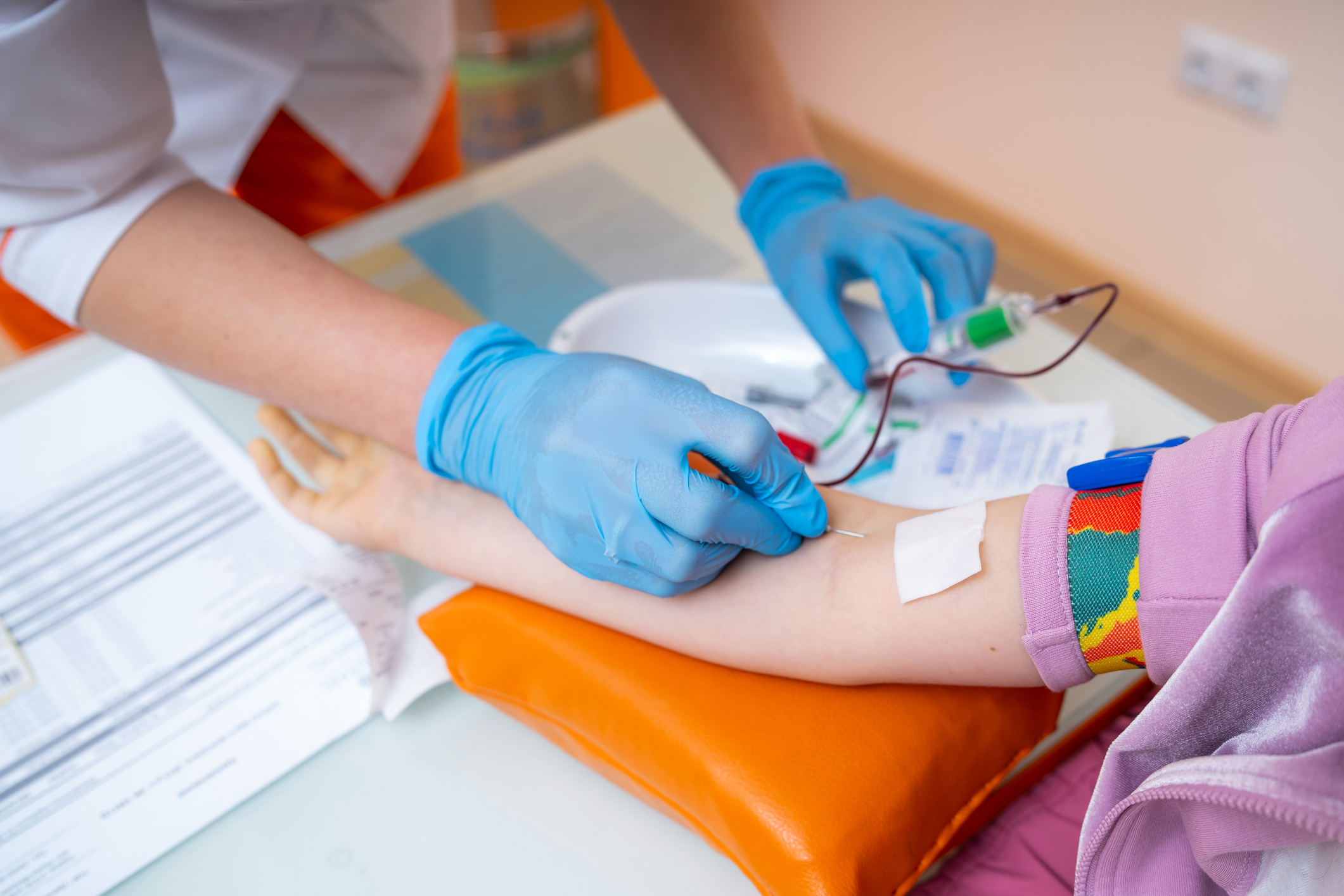
Your child will have a blood test to check the number of platelets in their blood.
There are some cases where a child has portal hypertension without having a known liver disease. These children may need more tests, including:
Angiography
Under anaesthetic, a thin tube is passed into a blood vessel in the groin or neck and a special dye is injected. X-rays are then taken to give a ‘map’ of the portal vein and its branches and also measure the blood pressure in the liver vessels.
Magnetic resonance imaging (MRI)
A cannula or a drip will be inserted into a vein in your child’s arm or hand. This is used to pass a special dye into the bloodstream. Your child will then lie on a bed that moves through a large, circular scanner while computerised pictures are taken.
Sedation or a general anaesthetic is not usually needed if your child is able to lie still during the procedure. However, younger children may need a general anaesthetic.
Treatment
If there are no symptoms or complications, then treatment may not be required, although your child’s condition will be monitored.
Treatment may be needed if the varices are significant in size and if there is an underlying liver condition which has caused the portal hypertension. If portal hypertension leads to varices which bleed, treatment of the varices will definitely be required.
The main treatment options for varices are called banding and sclerotherapy.
Children with portal hypertension may also have varices in gut areas that are not accessible by endoscopy and endoscopic treatment may not be possible. However, other non-endoscopic treatment options are available.
Unlike in adults, there isn’t currently strong evidence on medicines that can help in the management of portal hypertension in children.
Banding
When portal hypertension is confirmed, an endoscopy will be planned to assess whether varices are present. The timing of this will depend on the age and size of your child, as well as any complications, such as an enlarged spleen and low platelet count. During the endoscopy, if varices are present, the doctors will grade them according to their size. If necessary, the varices will be treated at the time of the endoscopy. Banding involves placing a medical rubber band over the affected blood vessels (the varices).
This causes the blood in the varices to clot. It means that blood cannot flow through the varices, which reduces the risk of bleeding. The elastic band will fall off and may be seen in your child’s stool (poo) after a few days, although it is tiny and may not be noticed.
Banding can be done urgently when your child is an inpatient, or it can be a planned procedure. Repeated endoscopies are usually needed to improve the varices, usually with intervals of weeks or months between each session.
Sclerotherapy
Another treatment for varices is called sclerotherapy. This is performed when banding may not be possible, for example, in a very small child.
An endoscope (a thin, flexible tube with a camera) is passed down the oesophagus (food pipe). A small needle is then passed through the endoscope to inject a special chemical into or next to the varices to help stop or prevent bleeding.
FAQs
Does portal hypertension always lead to bleeding?
No. A child can have portal hypertension for years without having any related problems. The varices which form may develop in areas of the body where they will not bleed. These veins help the blood flow back into the main circulation via a new route so the blood pressure in the portal circulation is lowered.
Bleeding is more likely if varices form in places where the walls of veins are thin, including the oesophagus and the stomach.
If the varices have inflamed the lining of either the oesophagus or the stomach, then a medicine will be given to protect the lining and help it to heal.
What should I do if I think my child may have a bleed?
If your child is vomiting blood or passing blood in their stools, then ring 999 straight away. The team at the hospital should be told that your child has a diagnosis of portal hypertension and be given a description of the symptoms. The medical team will give you a letter to carry with you to show the emergency doctor.
In hospital, your child will be assessed and treated if needed. Some bleeds may be very small, but in general it will be recommended that your child remains in hospital for observation. An endoscopy will be organised in the liver centre.
The hospital team caring for your child may:
- monitor their blood pressure and pulse
- keep an eye on your child’s vomit and poo, including any changes in colour or signs of blood
- Find out how much blood has been lost
- give your child fluid or blood through a drip
- give medicines to stop the bleeding
- contact your liver team and discuss a management plan
- perform and endoscopy to look at the varices which are bleeding
- treat the varices by putting rubber bands around them (banding) or by injecting the varices with a chemical to stop the bleeding (sclerotherapy)
What will happen in the long term?
Children can be managed for years on banding programmes. If the programme no longer manages the varices effectively, then further treatment options are available. These options can be surgical in the form of creating a bypass in the portal system (if there is a blockage), a shunt (if there is high pressure in the system) or replacing the liver and its vessels (liver transplantation).
Do children with portal hypertension need to take special precautions?
It is important to be aware of the potential issues which could occur, e.g. bleeding. It is vital that all carers and teachers are aware of what to look for and what to do if they notice any signs that there may be a problem.
If the spleen is enlarged, there is a higher chance of it being damaged if it receives a hard blow. Children may be advised to avoid activities where they may receive a blow to the abdomen, e.g. contact sports such as kickboxing and rugby. Most physical activity, however is to be actively encouraged and children should participate in PE at school.
It’s important not to limit activities unnecessarily. Your child’s medical team will be able to provide specific advice on a case by case basis.
If your child has portal hypertension and is travelling or flying, it is important to tell the medical team well in advance. Your child may need treatment before going away.
Medicines such as aspirin and ibuprofen should be avoided as they can make bleeding in the gut more likely. Paracetamol (Calpol) is a safer alternative.
Other complications of portal hypertension
In rare cases, portal hypertension can also affect the lungs.
Some children may develop hepatopulmonary syndrome, which can cause:
- Low levels of oxygen in the blood. This happens when the blood vessels in the lungs become wider than usual, allowing oxygen rich and oxygen-poor blood to mix.
- Portopulmonary syndrome, where there is increased blood pressure in the blood vessels of the lungs.
If either of these conditions are suspected, your child will need heart and lung tests to confirm the diagnosis. Liver transplantation is usually the preferred treatment when these complications are severe.
Support
How Liver UK can help
A diagnosis of liver disease can be worrying, and you may have a lot of questions.
We're here for you and for your family and friends. Whether you have questions or just need someone to listen, we can help.
Your feedback
This content was last reviewed: December 2020
Our expert reviewers:
We would like to thank everyone who helped with creating and reviewing this page. This information has been produced with input from the three specialist paediatric liver centres in the UK. And with parents and families.
Find out how we make our patient information.
Everyone’s experience of liver disease will be different. Always talk to your specialist medical team for personal advice.
More from Liver UK

Check your risk
Find out more
Support us
Find out more
Keep up to date
Find out more