
Symptoms
of hepatitis B
If you notice any of the symptoms on this page, tell your doctor.
You can have hepatitis B and not have any symptoms. So always get tested if you think you could have picked up the hepatitis B virus .
The information on this page is for:
- Adults with hepatitis B or suspected hepatitis B
- Family, friends, carers, and healthcare professionals.
You can download our hepatitis B guide for young people here
On this page:
Symptoms of hepatitis B infection
Acute hepatitis B is an infection that lasts less than 6 months. Most people have either mild flu-like symptoms or no symptoms.
Symptoms of a hepatitis B infection can include:
- High temperature
- Tiredness (fatigue)
- Pain in your upper right side
- Feeling or being sick
- Patches of raised skin that might be itchy (hives)
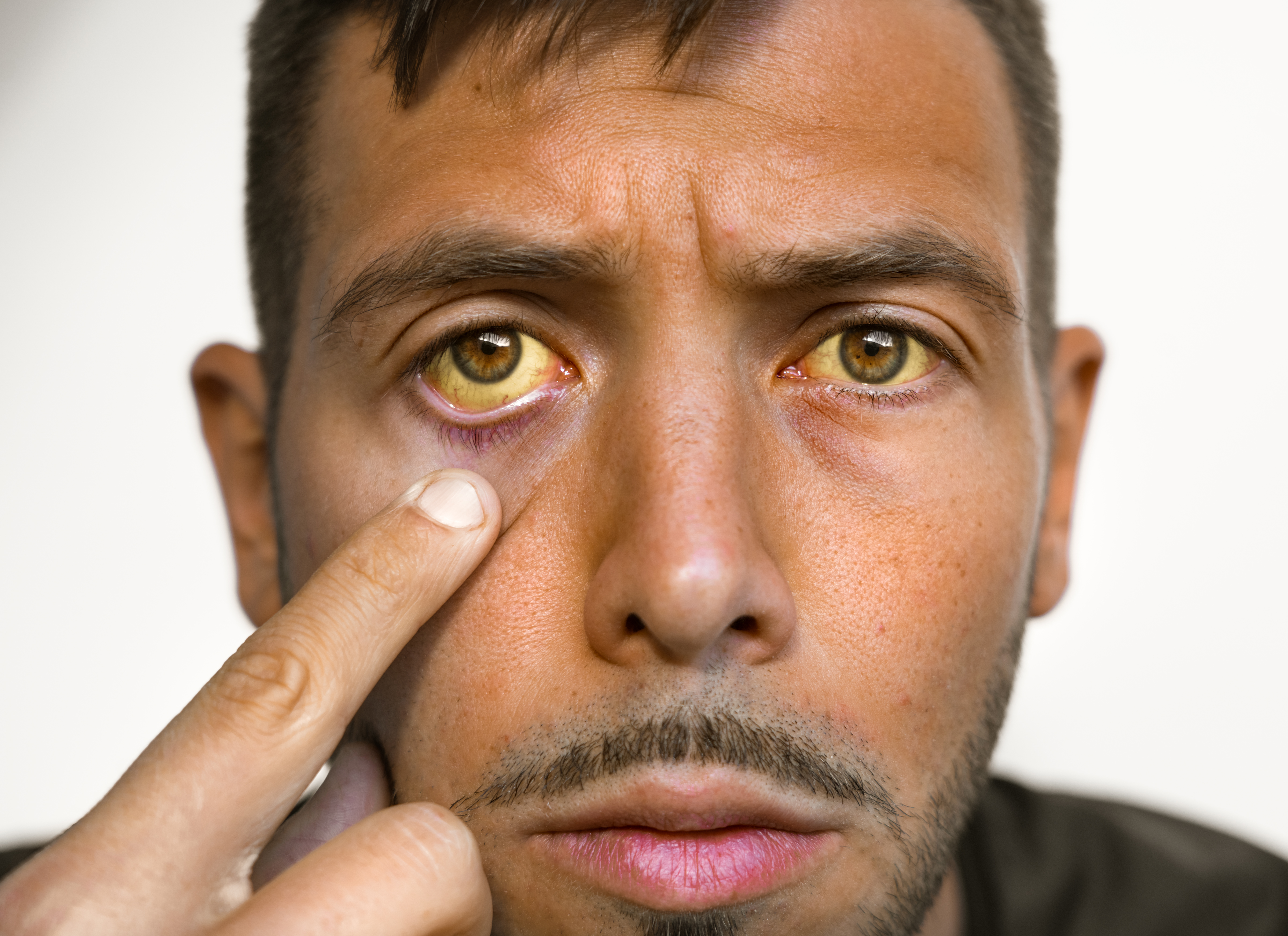
- Yellowing of the skin and whites of the eyes (jaundice)
Symptoms of liver damage
Chronic hepatitis B is an infection lasting more than 6 months. You might notice some of the symptoms above. Many people have no symptoms of the virus.
Chronic hepatitis B can cause liver damage. Early-stage liver damage often has no symptoms.
Symptoms of later stage liver damage (cirrhosis) can include:
- Tiredness (fatigue) and weakness
- Feeling sick and appetite loss
- Weight loss or muscle wasting
- Small spider-like veins on skin above your waist (spider angiomas)
- Blotchy red patches on the palms of your hands
- Yellowing of the skin and whites of the eyes (jaundice)
- High temperature and shivering
- Vomiting blood
- Change in the colour of your poo to either pale or very dark and tar-like
- Very itchy skin
- Swelling of your tummy, legs or ankles
- Dark-coloured pee
- Bleeding or bruising easily
- Confusion, memory loss, personality changes, or poor judgement
- Abnormal periods (in people born female)
- Shrunken testicles, swollen scrotum, or swelling or growing breasts (in people born male)
- Loss of sex drive (libido)
How to spot jaundice on different skin tones
The main symptom of jaundice is yellowing of the skin and the whites of the eyes. The change in skin colour is usually easy to notice on white skin but it can be harder to see on black and brown skin.
Colour change to the whites of your eyes should be easier to spot. This can also be due to other things, such as ageing, especially for Black and Brown people. Itchiness and pale-coloured poo are also symptoms of jaundice.
Support
How Liver UK can help
A diagnosis of liver disease can be worrying, and you may have a lot of questions.
We're here for you and for your family and friends. Whether you have questions or just need someone to listen, we can help.

Your feedback
This content was last reviewed: July 2023
Our expert reviewers:
We would like to thank everyone who helped with creating and reviewing this page. Including Dr Ahmed Elsharkawy, Consultant Hepatologist, Dr Kathryn Jack (PhD RN), Clinical Lead Nurse Research and Innovation, Nottingham University Hospitals. And all our patient reviewers.
Find out how we make our patient information.
Everyone’s experience of liver disease will be different. Always talk to your specialist medical team for personal advice.
More from Liver UK

Check your risk
Find out more
Support us
Find out more
Keep up to date
Find out more