
Ongoing tests
for primary biliary cholangitis
The information on this page is for:
- Adults with primary biliary cholangitis or suspected primary biliary cholangitis.
- Family, friends, carers, and healthcare professionals.
Find out about autoimmune liver disease in children
Once you have been diagnosed with primary biliary cholangitis (PBC), your doctor will want to do further tests to see how far it has developed. Other tests can pick up conditions that are associated with PBC. You will continue to have these tests periodically, to monitor your health.
Many people feel anxious about having these tests at first. Do remember that PBC generally develops slowly. Your doctor is just keeping an eye on you. Being asked to have a test certainly doesn’t mean that your condition has got worse.
On this page:
Liver stiffness test
Also called a liver fibrosis test, this measures scarring in your liver. Developing scar tissue can be a sign that a liver disease is worsening, so doctors use it to monitor how quickly or slowly PBC is developing. You may also hear this called VTCE (vibration controlled transient elastography) or probably most commonly ‘FibroScan’. Your doctor is likely to suggest that you have a FibroScan at least every 3 years.
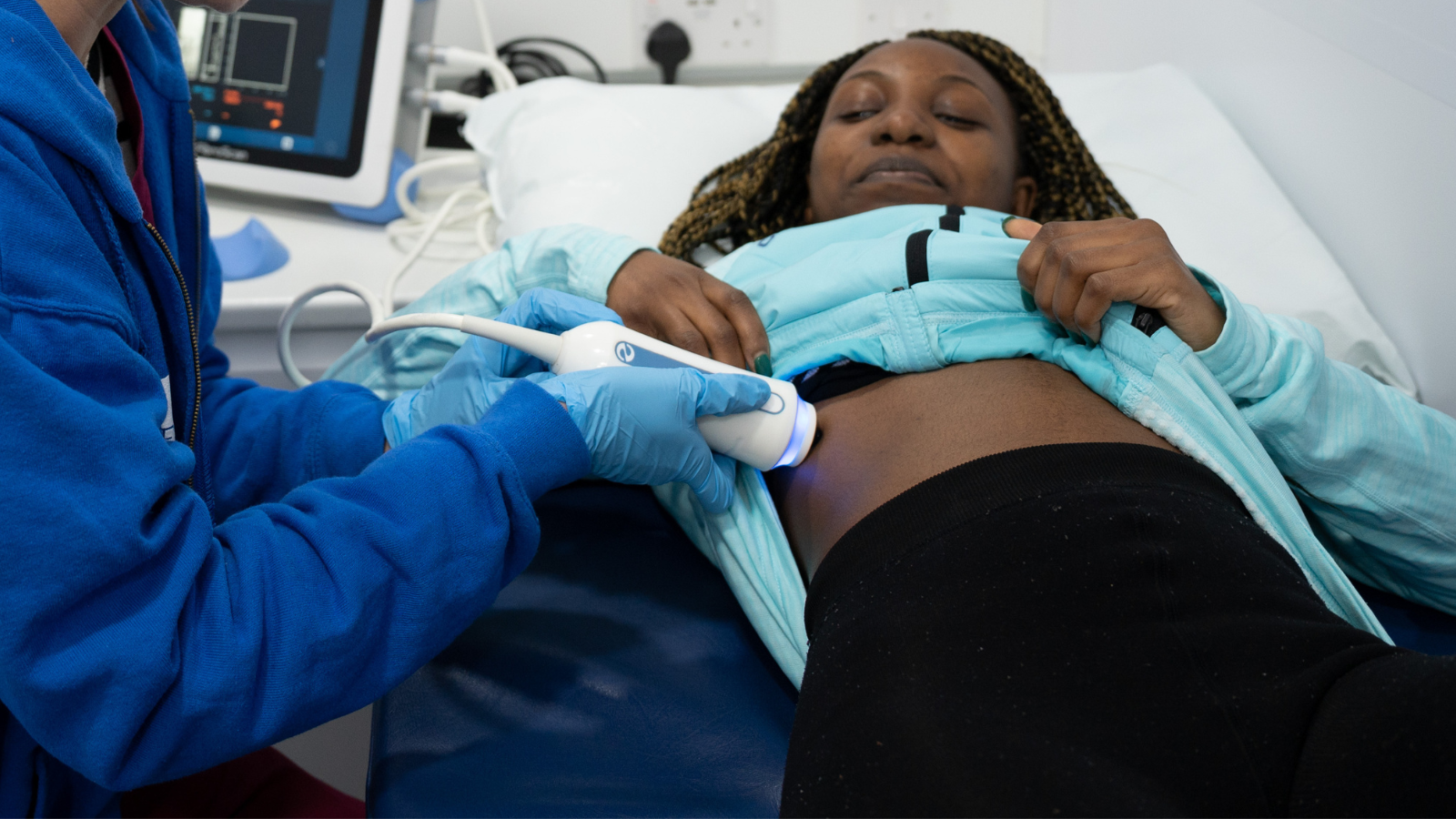
Having this test is very similar to having an ultrasound. It’s painless and non invasive. A probe sends pulses of sound waves to build up a picture of your liver. The machine measures the speed at which these bounce back and this shows the level of scarring in the liver.
Your hospital will ask you not to eat anything for 3 hours before your appointment. You can drink during this time, except for anything fatty such as full fat milk. You don’t usually need to change into a gown, but it’s best to wear a top and skirt or trousers for easy access!
In the scanning room, you lie on the couch, with your right arm raised. The doctor or radiographer puts a bit of gel onto your skin and passes the probe back and forth over your liver. The whole thing should only take about 10 to 20 minutes.
Blood tests
Some doctors will do a blood test called the ELF test. This stands for ‘Enhanced Liver Fibrosis’ test. The ELF test can be used in a number of liver conditions. It is another way of measuring how much scarring (fibrosis) there is in your liver.
The ELF test measures 3 chemicals in the blood that are markers for scarring. That means their levels go up when you have scarring. The 3 markers are hyaluronic acid (HA), a protein called PIIINP and an enzyme called TIMP-1.
Doctors use the ELF test for a number of liver conditions. But it’s particularly useful for monitoring how PBC is developing.
Other blood tests you may have regularly include:
- thyroid hormone tests
- blood glucose
- cholesterol blood tests
- coeliac disease screening test
You have these blood tests because people with PBC can sometimes develop other autoimmune diseases. These include thyroid disease and diabetes. Your doctor will carry out blood tests every 6 months to a year, to check for signs of these conditions.
People with PBC also often have high cholesterol. This is to do with the flow of bile being blocked. With PBC, it’s the ‘good’ cholesterol that tends to be high. So it doesn’t necessarily mean you have a higher risk of heart disease. But your GP may monitor your cholesterol levels with regular blood tests. They may consider treatment if you have other risk factors for heart disease.
Bone density scans
People with liver disease are at more than average risk of bone thinning (osteoporosis). This is because the liver is so heavily involved in all the normal chemical reactions of the body (the metabolism). As many as 1 in 2 people with PBC have some degree of bone thinning.
When you are diagnosed with PBC, your doctor will arrange a scan called a bone density scan or sometimes called a DEXA scan. This uses X-rays to measure the density of your bones.
Having a Dexa scan is similar to having an X-ray. It’s painless and only takes a few minutes. Your radiographer will measure your height and weight beforehand, as they need these to calculate your bone density.
When your specialist gives you the results, they may say
- your bone density is normal
- you have slightly lowered bone density (osteopenia – pronounced oss-tee-oh-pee-nee-ah)
- you have more significantly lowered bone density (osteoporosis)
Depending on your result, you will have Dexa scans between 1 and 5 yearly. There is more about osteoporosis in the page on PBC complications.
Autoimmune hepatitis and PBC
Around 1 in 10 (10%) of those with primary biliary cholangitis also have an autoimmune condition called autoimmune hepatitis (AIH). As with PBC, this means that your immune system is mistakenly attacking your liver cells. If not treated, this can lead to cirrhosis.
Your doctor will do a blood test for an immune system protein called Immunoglobulin G or IgG. If this is higher than normal, it may mean you have AIH.
Your specialist may want to do a liver biopsy to confirm that you have AIH as well as PBC. Most people with PBC won’t ever have a liver biopsy. Blood tests and scans can now diagnose PBC very reliably. So biopsy is usually only necessary if your specialist suspects you also have AIH or another liver condition as well as PBC.
You have a liver biopsy in hospital, with a local anaesthetic. You will usually be able to go home the same day. There is more about autoimmune hepatitis and about having a liver biopsy on our website.
Monitoring advanced PBC
If you have advanced PBC you may have developed cirrhosis of the liver. There is more about this in the page on advanced PBC. If this is the case, you may also have the following tests:
- an abdominal ultrasound scan every 6 months
- more frequent liver blood tests
- a blood test to see if you able to absorb enough fat soluble vitamins from your diet
- a tube with a camera down your throat (an endoscopy) to check for enlarged veins in your food pipe (oesophageal varices)
The links above will take you to more information about each test.
Support
How Liver UK can help
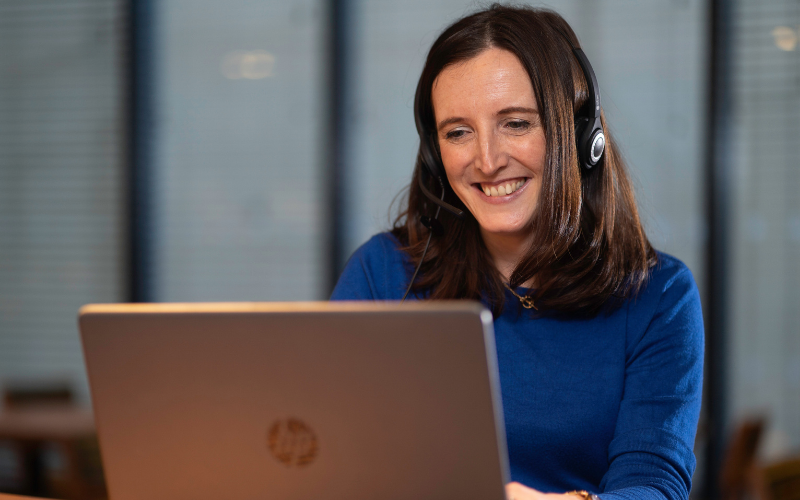
A diagnosis of liver disease can be worrying, and you may have a lot of questions.
We're here for you and for your family and friends. Whether you have questions or just need someone to listen, we can help.
Your feedback
This content was last reviewed: October 2024
Our expert reviewers:
We would like to thank everyone who helped with creating and reviewing this page. Including Dr Neil Halliday, Royal Free Hospital, London and Janeane Hails, Addenbrooke’s Hospital, Cambridge. And all our patient reviewers.
Find out how we make our patient information.
Everyone’s experience of liver disease will be different. Always talk to your specialist medical team for personal advice.
More from Liver UK

Check your risk
Find out more

Support us
Find out more
Keep up to date
Find out more