
After your transplant you will have to take strong medicines called immunosuppressants.
These medicines help to stop your new liver being rejected. But they reduce how well your immune system works. So they can make it harder to deal with infections like tummy bugs and food poisoning. These kinds of infections are horrible for anyone. But if your immune system cannot fight them off you could become very unwell.
The information on this page is for:
- Adults and children with a liver condition
- Family, friends, carers, and healthcare professionals.
On this page:
Foods you should not eat after a liver transplant
If you have recently had a liver transplant you have a higher risk of becoming seriously ill if you get food poisoning.
Eating raw or undercooked meat, especially pork, can also put you at risk of hepatitis E. Hepatitis E is a virus that can damage your liver. Most people who get it will get better by themselves. But if you have had a liver transplant it can be much more serious. And can cause long lasting (chronic) problems.
You should avoid the foods on this list for at least the first 3 months after your transplant. After 3 months you might be able to start eating them again. But check with your medical team first.
Do not eat:
- Raw or undercooked meat.
- Make sure all meat is “well done”.
- Meat that has been cured or smoked but not cooked.
- for example, uncooked salami, parma ham or smoked salmon.
- Unwashed fruit, vegetables, and salad.
- Always wash salad well before using it. Even if it comes in a bag that says it has already been washed.
- Anything that is past it’s “use by” date.
- Even if it looks ok.
- Pate.
- This includes meat, fish and vegetable pate.
- Mould ripened cheeses.
- This includes brie, camembert, and blue cheeses such as stilton.
- Food from deli counters.
- Do not eat food that has been on display on an open counter. Buy pre-packed, chilled deli food instead.
- Reheated rice.
- Always eat rice as soon as it has been cooked and never reheat it.
- Raw fish.
- This includes caviar (fish eggs) and sushi that contains raw fish.
- Uncooked shellfish.
- e.g. clams, muscles and oysters.
- Only eat shellfish as part of a cooked, hot dish.
- If you eat clams, oysters, or mussels, make sure that the shells open during cooking. Throw away any that do not open.
- Unpasteurised milk and dairy.
- Only have milk, yogurt, butter or cheese if it says “pasturised” on the label.
- Raw, unpasturised or strained honey and fresh honeycomb.
- Pro-biotic and “live” yogurts and drinks.
- Including kombucha and kefir
- Ice based drinks like slushies and drinks made from ice machines in public places.
- Ice cream from ice-cream vans and soft ice cream machines.
- Including Mr Whippy type ice-creams.
Eggs
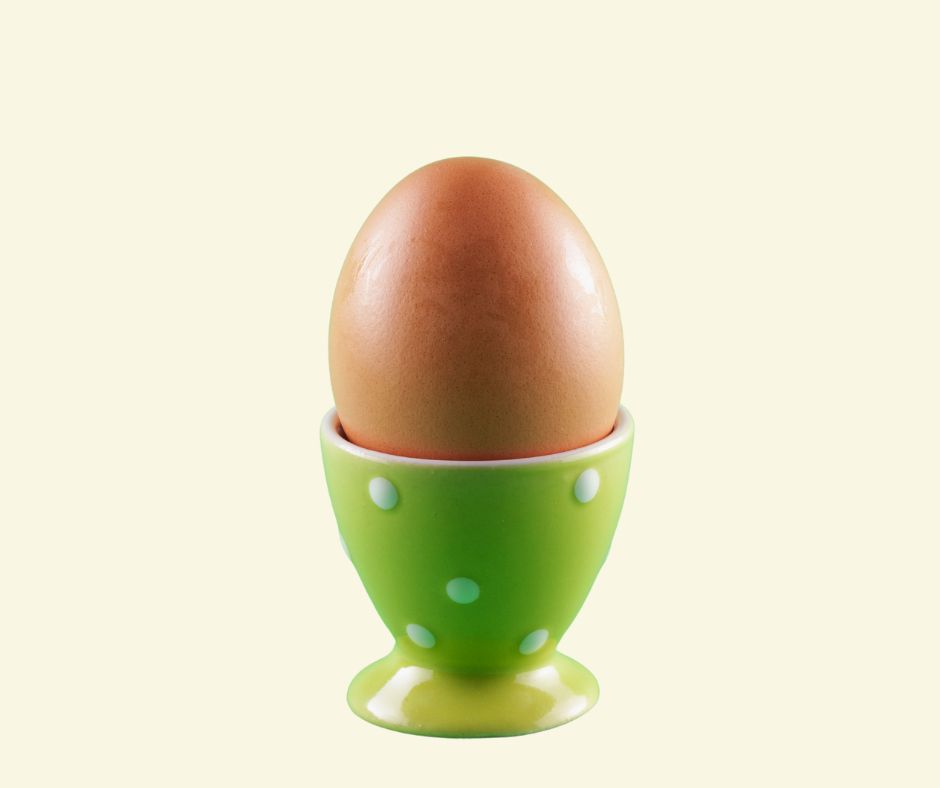
If you are severely immunocompromised you may need to cook eggs until both the yolk and white are solid. If you want to eat eggs with a runny yolk, check with your medical team first. Make sure that your eggs have a Lion Mark. Lion Mark eggs can be eaten with a runny yolk by some people with a higher risk of food poisoning. They will also have a use by date on them. If your eggs do not have a lion mark, you should only eat them if they are well cooked. The yolk and white must be completely solid.
Avoid any foods that have raw eggs in them, for example home made mayonnaise.
Foods that can interfere with your medicines
There are some other foods that you should not eat. This is because they could stop your medicines working properly. These can include:
- Grapefruit and grapefruit juice
- Tropical and citrus juices that contain grapefruit juice
- Pomelo juice
- Purple grape juice
Your transplant team will let you know if this applies to your medicines. You can find out more about foods that can interfere with your medicines here.
Buying, making, and storing food
As well as avoiding high risk foods it is also important to follow a few food safety rules. This will make sure that you are cooking and storing your food safely. They are good rules for everyone. But they are especially important if you have had a liver transplant.
Food shopping:
- Get chilled and frozen foods into your fridge and freezer as quickly as possible.
- If you can, take a cool bag and ice block to the shop to help keep the food cold on the way home.
- Some fridges and freezers have a function to chill lots of food quickly, like when you’ve just done a big shop.
Storing food at home:
- Store raw meat on the bottom shelf of your fridge.
- This will stop anything dripping onto other food.
- Use a thermometer in your fridge and freezer.
- Your fridge should be between 0-5C.
- Your freezer should be 18C or less.
- Do not refreeze any food that has been frozen before
Cooking and eating:
- Wash your hands before preparing or eating food.
- Defrost frozen food thoroughly before cooking. Then always make sure it is well cooked.
- Do not prepare raw meat or fish at the same time as food that will not be cooked.
- You could prepare the uncooked food first and then put it somewhere else while you prepare the meat or fish.
- Always disinfect surfaces and wash your hands after you have prepared raw meat or fish.
- Especially if you are going to prepare salad or other food that will not be cooked.
- If you are cooking food to eat later, always put it in the fridge or freezer straight away while it is still hot.
- If you get a takeaway, make sure the food is well cooked.
Pets and gardening
After a transplant, you will be at more risk from an infection called toxoplasmosis. This is a tiny parasite that can be found in soil, undercooked meat, and cat poo.
You can protect yourself against toxoplasmosis by:
- Always washing your hands very well if you have:
- touched an animal, including pets
- been gardening, even if you wore gardening gloves
- been to a park
- If you have a pet cat:
- ask someone else to empty the litter tray
- if this isn’t possible, always wear gloves and wash your hands very well afterwards
Support
How Liver UK can help
A diagnosis of liver disease can be worrying, and you may have a lot of questions.
We're here for you and for your family and friends. Whether you have questions or just need someone to listen, we can help.
Your feedback
This content was last reviewed: January 2024
Our expert reviewers:
We would like to thank everyone who helped with creating and reviewing this page. Including Catherine McAnenny, Advanced Dietetic Practitioner, Edinburgh Transplant Centre, Royal Infirmary Edinburgh and Balkrishan Parekh, Dietician, University Hospitals Birmingham. And all our patient reviewers.
Find out how we make our patient information.
More from Liver UK
Check your risk
Find out more
Support us
Find out more
Keep up to date
Find out more