
How is MASLD treated?
MASLD is a common condition where fat builds up in the liver. It is often linked to being overweight and conditions like type 2 diabetes and heart disease.
The information on this page is for:
- Adults with MASLD or at risk of MASLD.
- Family, friends, carers, and healthcare professionals.
MASLD can also affect children and young people. See our information for parents and families.
On this page:
Treatments for MASLD
Treatment for MASLD has two main aims:
- To stop the condition getting worse, so it doesn’t lead to serious problems such as cirrhosis, liver failure or liver cancer.
- To help your liver repair as much damage as possible.
Your treatment plan will depend on how serious your MASLD is and if there is scarring (fibrosis) in your liver.
For most people, the main treatments are:
- keeping a healthy weight or losing weight (if needed)
- eating a healthy, well-balanced diet
- being more physically active and reducing time spent sitting
No matter what you weigh, improving your diet and activity levels can help lower the amount of fat in your liver and improve MASLD. Reducing liver fat tackles the root cause of MASLD. It lowers the strain on your liver and gives it a chance to heal.
Aim for small changes you can stick with in the long term. Liver UK has information and advice to help you every step of the way.
The good news is that MASLD can be treated and even reversed with changes to your daily life – especially in the early stages when the liver is less damaged. Diet and physical activity can even help to repair some of the damage in the more advanced stages of disease.
Changes to your everyday life
Keeping a healthy weight or losing weight (if needed)
If you have MASLD and are at a healthy weight, it’s important to avoid gaining weight. Extra weight can make your MASLD worse. Keep your weight steady with a healthy, well-balanced diet and regular exercise.
If you are overweight, losing weight is one of the best ways to improve MASLD. Research shows that losing 5% to 10% of your body weight can help control the condition and may reverse some liver damage.

Losing weight isn’t easy. Other health issues, low energy levels, or certain medications can make it harder to eat well or stay active. But you don’t have to do this alone. Talk to you doctor about getting support with weight loss. They may refer you to a registered NHS dietitian. They will also know about local or online weight management and physical activity programmes.
If you have stage 4 MASLD (cirrhosis), talk to your doctor before trying to lose weight. Weight loss may still be helpful, but the diet and exercise advice will need to be tailored to your needs.
Eating a healthy, well-balanced diet
There isn’t a special diet that cures MASLD. Most people benefit from eating a healthy, well-balanced diet and working towards a healthy weight.
The goal is to reduce the amount of excess fat stored in the body. This can help manage and sometimes even reverse MASLD. Aim to eat and drink healthily most of the time, without having too much or too little of any one thing. The overall picture is more important than any one small detail.
You can ask to be referred to a registered NHS dietitian. They can help you make realistic, long-term changes. Your primary care team can also offer help and guidance if needed.
Being more physically active
Being more physically active is one of the best ways to reduce liver fat and improve MASLD. It also lowers the risk of related conditions such as type 2 diabetes and heart disease.
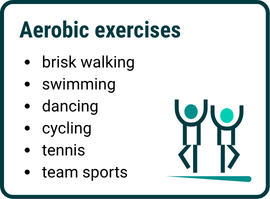
Aim for at least 2½ hours (150 minutes) of moderate intensity activity every week. You may hear this called aerobic or cardio exercise. They get your heart and lungs working harder. They should make you feel warmer and slightly out of breath and could include:
If 150 minutes sounds like a lot, don’t worry. Break it down into shorter 10-minute sessions throughout the week and slowly try to build this up.
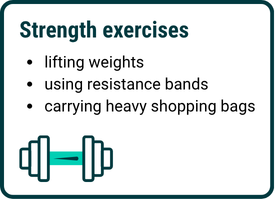
It’s also important to do activities that strengthen your muscles twice a week. You may hear this called strength training or resistance exercise. They keep your muscles strong and help with balance, movement, and daily activities.
Examples include:
Research shows that combining aerobic and strength exercises offers the greatest health benefits.
Don’t worry if you can’t reach the target at first. Start small and gradually build up the amount you do over time. Every bit of movement matters and doing something is always better than doing nothing.
Talk to you doctor or healthcare professional if you need help getting started. They may refer you to local exercise programmes, community gyms or walking groups. They can also recommend digital tools to support you to improve your activity levels.
The way out of this is a healthy diet and plenty of exercise (two things I’ve not typically engaged in for large chunks of my life). Mentally, it has been very hard… The good news is that I listen to the experts. I’ve had therapy for a few years. A clinical dietitian who works with people with my diagnosis has been drawing up diet plans for me that have really made a difference.
Other changes you can make
Cutting down on alcohol
If you have MASLD, drinking alcohol can make liver damage worse.
Your liver breaks down alcohol. When it does this, it produces harmful chemicals that can damage liver cells. While the liver is good at repairing itself, it can only take so much. If you have MASLD, alcohol adds extra strain to the liver when it is already working hard.

To protect your liver, stick within the national low-risk drinking guidelines:
- Do not drink more than 14 units of alcohol a week
- Spread your drinking out over 3 or more days
- Have 2 to 3 alcohol-free days a week, preferably in a row
It’s also important not to drink too much in one session. This causes sudden harm to the liver, especially if it is already damaged.
Staying within these guidelines not only protects your liver but can also help with weight loss. This is because alcohol contains lots of “empty” calories.
If you have fibrosis stage 3 (advanced fibrosis) or fibrosis stage 4 (cirrhosis), it’s very important to stop drinking alcohol completely.
Stopping smoking
Stopping smoking is one of the best things you can do for your health. If you have MASLD, it’s even more important.
Smoking can:
- make liver disease get worse (progress) more quickly
- increase your risk of cardiovascular disease
- increase your risk of liver cancer
We know that quitting can be hard, especially if you’ve smoked for many years. But support is available to help you stop. See our stop smoking page for more information and support.
Being more physically active
Being more physically active is one of the best ways to reduce liver fat and improve MASLD. It also lowers the risk of related conditions such as type 2 diabetes and heart disease.
Aim for at least 2½ hours (150 minutes) of moderate intensity activity every week. You may hear this called aerobic or cardio exercise. They get your heart and lungs working harder. They should make you feel warmer and slightly out of breath and could include:
- brisk walking
- swimming
- dancing
- cycling
- team sports

If 150 minutes sounds like a lot, don’t worry. Break it down into shorter 10-minute sessions throughout the week and slowly try to build this up.
It’s also important to do activities that strengthen your muscles twice a week. You may hear this called strength training or resistance exercise. They keep your muscles strong and help with balance, movement, and daily activities.
Examples include:
- lifting weights
- using resistance bands
- carrying heavy shopping
Research shows that combining aerobic and strength exercises offers the greatest health benefits.
Don’t worry if you can’t reach the target at first. Start small and gradually build up the amount you do over time. Every bit of movement matters and doing something is always better than doing nothing.
Talk to you doctor or healthcare professional if you need help getting started. They may refer you to local exercise programmes, community gyms or walking groups. They can also recommend digital tools to support you to improve your activity levels.
Medicines for related conditions
Currently, there are no specific medicines available in the UK to treat MASLD. But they may be available in the near future. You can learn more in our future treatments section.
Although there are no medicines specifically for MASLD, your doctor may recommend treatments for related conditions, such as:
- type 2 diabetes
- obesity
- high blood pressure
- high cholesterol
Treating these conditions is important because they can impact your overall health, particularly the risk of heart attack or stroke. Your doctor will look carefully at your medical history before recommending any treatment.
If you have cirrhosis, you may be offered medicines to help with complications such as ascites.
Remember: These medicines target related conditions and are not prescribed specifically for MASLD. Treatment will depend on your personal situation after discussion with your .
If you have a liver condition, always talk to your doctor before taking any vitamins or supplements.
Medicines that may be used to treat related conditions include:
SGLT2 inhibitors
Also known as: Sodium glucose co-transporter-2 inhibitors
SGLT2 inhibitors are used for type 2 diabetes and work by lowering blood sugar levels. They can also help people with heart failure or kidney problems. While they don’t directly treat MASLD, they may help reduce liver fat in people with type 2 diabetes.
Statins
Statins lower cholesterol levels in your blood. This can reduce your risk of heart and circulatory disease, a common issue for people with MASLD. Research also shows that statins may lower the risk of liver scarring (fibrosis).
GLP-1 medicines
GLP-1 medicines mimic a natural hormone which helps control blood sugar levels and appetite. They can:
- trigger your body to make more insulin
- reduce the amount of sugar made by your liver
- slow down digestion
- reduce appetite
Together these effects often lead to weight loss. Currently, GLP-1 medicines are only used to treat people with type 2 diabetes, and/or obesity.
Complementary and alternative medicines
You might hear lots of advice in the media about complementary therapies and alternative medicines. There are no complementary or alternative medicines that have been shown to treat or prevent MASLD. They can sometimes harm your liver, even if they come from natural ingredients. The risk of this is higher if you already have a liver condition. Always talk to your doctor before you try any supplements, complementary, alternative or natural medicines.
Managing medicines
Having several health conditions at the same time can make taking medicines more complicated. You may need different medicines for each condition. This is known as polypharmacy. It’s important to review all your prescriptions, over-the-counter drugs, and any alternative treatments. Some medicines can harm the liver or make liver damage worse. Your doctor and pharmacist can help make sure your medicines are safe and work well together.
Weight loss surgery
Weight loss (bariatric) surgery is not a direct treatment for MASLD. However, it may help people with health issues linked to MASLD, such as type 2 diabetes or severe obesity. Common types of surgery include:
- Roux-en-Y-gastric bypass
- Sleeve gastrectomy
You might be considered for weight loss surgery if:
- your BMI is 40 kg/m2 or higher,
- your BMI is between 35 kg/m2 and 39.9 kg/m2 AND you have a serious health condition that could improve with weight loss
These numbers may be lower in people with a South Asian, Chinese, other Asian, Middle Eastern, Black African, or African-Caribbean family background. This is because they are more likely to carry weight around their middle. This increases the risk of heart and metabolic conditions, even at a lower BMI.
Bariatric surgery can be a very effective way to lose weight loss. It can also help improve MASLD. However, surgery is a big step. It’s important to take time to think about it carefully. Your doctor will talk with you about the possible benefits, the risks, and whether it’s the right option for you.
For people with cirrhosis, weight loss surgery may be an option. But this will depend on individual health factors and a careful assessment by your doctor.
Support
How Liver UK can help
A diagnosis of liver disease can be worrying, and you may have a lot of questions.
We're here for you and for your family and friends. Whether you have questions or just need someone to listen, we can help.

Your feedback
This content was last reviewed: July 2026
Our expert reviewers:
We would like to thank everyone who helped with creating and reviewing this page. Including Dr Jeremy Cobbold, Consultant Hepatologist, Oxford University Hospitals, Professor Stuart McPherson, Consultant Hepatologist, Newcastle upon Tyne Hospitals and Dr Helen Jarvis, GP, Newcastle University. And all our patient reviewers.
Find out how we make our patient information.
Everyone’s experience of liver disease will be different. Always talk to your specialist medical team for personal advice.

More from Liver UK

Check your risk
Find out more

Support us
Find out more
Keep up to date
Find out more