
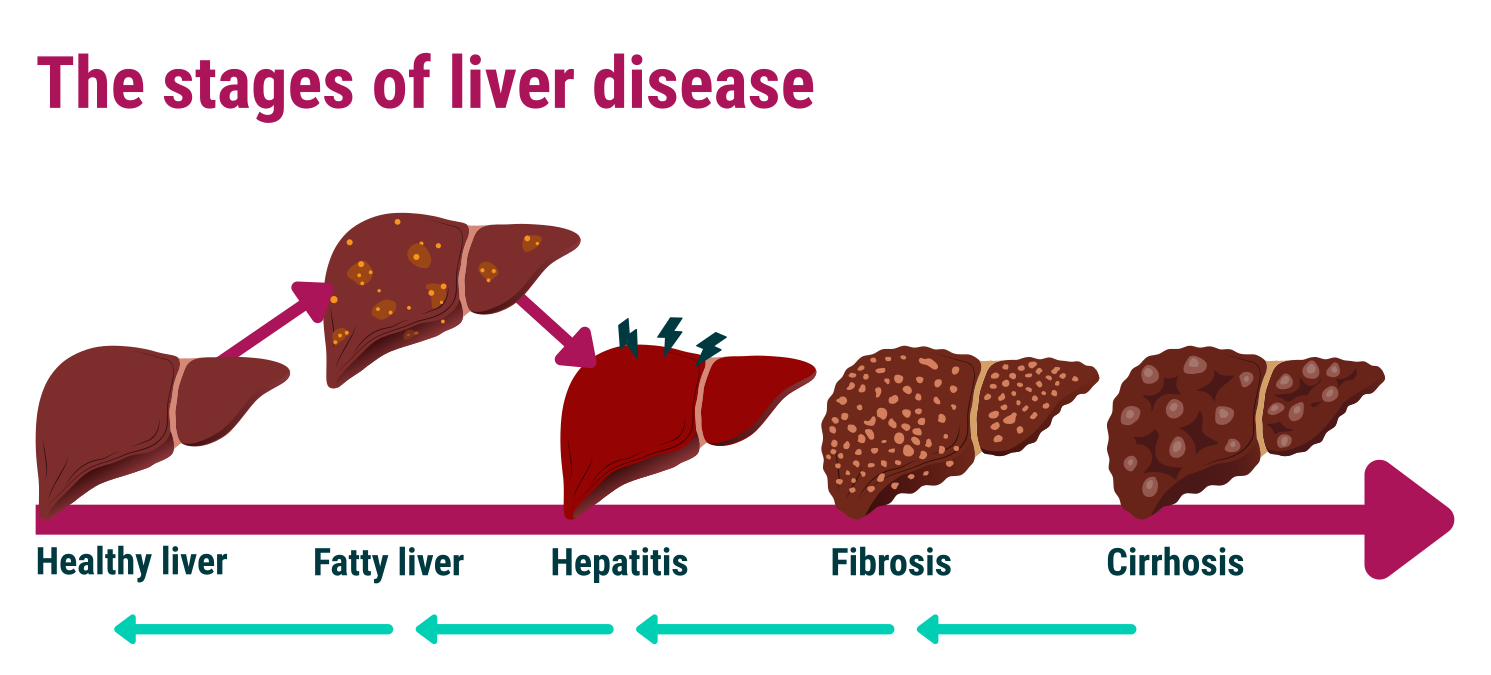
Fibrosis is a build up of scar tissues in the liver.
The information on this page is for:
- Adults and children with long term liver disease
- Family, friends, carers, and healthcare professionals.
A normal liver is soft and squishy. But as scarring builds up it becomes hard and bumpy.
It is possible to stop fibrosis from getting worse. If this is done early enough then the liver will be able to carry on working normally. It might even be able to completely repair the damage.
But if fibrosis continues to get worse it can lead to serious, permanent damage (cirrhosis).
On this page:
What causes Fibrosis?
The liver works very hard. A healthy liver has a repair system to deal with worn out, dead or damaged cells.
This repair system uses collagen a bit like scaffolding. It supports an area that is being repaired. In a healthy liver, once the repair is complete, the collagen is removed.
If someone has hepatitis (inflammation), the liver is constantly told to keep on doing more repairs. The collagen is not removed. Instead, more and more keeps being added. This causes scars.
What happens if someone has fibrosis?
Even with fibrosis the liver can carry on with all its usual jobs. So many people have no symptoms, or they might be very mild.
But over time the scar tissue can start to replace healthy cells. This makes it harder and harder for the liver to carry on working properly.
The tough scars can start to pull the liver out of shape. They also make it hard for blood to pass through the liver in the way it needs to.
If fibrosis is not stopped it can lead to cirrhosis
Can fibrosis be stopped?
It is possible to stop fibrosis getting worse. Depending on how badly scarred the liver is it might be possible for it to repair some or all of the damage.
The best way to stop fibrosis is to take away the underlying cause of the damage. This could mean:
- losing weight or eating a healthier diet
- stopping drinking alcohol
- getting treatment for viral hepatitis
- having treatment to control an autoimmune or inherited condition
Stopping the liver condition at this point is very important. If it is not stopped, it can lead to cirrhosis.
For any type of liver condition, if it reaches the cirrhosis stage there will likely be permanent damage. People with cirrhosis can live for many years, but they can also develop serious complications and become very unwell . Sadly there are not many good treatment options for cirrhosis apart from a liver transplant.
However, even with cirrhosis, stopping more damage can help to stop things getting worse and allow the liver to carry on working.
Adults can find out about risk factors using our free and confidential at-risk checker.
Getting help
If you, or someone you care for has fibrosis, it is really important to stop it from getting worse. But it can sometimes be hard to make the changes needed. Getting help and support makes it more likely that you will be able to make these changes and stick to them.
Ask your medical team what support is available in your area. For example alcohol services, or weight loss groups. If the problem is diet related you could ask for a referral to a registered dietician.
GPs can sometimes offer “prescriptions” for things like exercise. Or other activities that can improve liver health.
More information on this website:
Eating, drinking and keeping active.
You can also use the link below to find out more about our support services.
Support
How Liver UK can help
A diagnosis of liver disease can be worrying, and you may have a lot of questions.
We're here for you and for your family and friends. Whether you have questions or just need someone to listen, we can help.

Your feedback
This content was last reviewed: June 2024
Our expert reviewers:
We would like to thank everyone who helped with creating and reviewing this page. Including Professor Jonathan Fallowfield, Chair of Translational Liver Research & Principal Investigator, Institute for Regeneration & Repair, University of Edinburgh. And all our patient reviewers.
Find out how we make our patient information.
Everyone’s experience of liver disease will be different. Always talk to your specialist medical team for personal advice.
More from Liver UK

Check your risk
Find out more
Support us
Find out more
Keep up to date
Find out more